Stargazing – what could be simpler? Wait for it to get dark, go outside, look up. You’re stargazing! Or…not. You might instead be feeling frustrated that you’re cold, hungry, and you can’t see anything up there anyway. That’s okay! Like any good hobby, stargazing takes a little planning, a little luck, and a lot of patience. Here are some tips and tricks that will help you get the most out of your planned stargazing nights.
Choosing the Perfect Viewing Spot
The old phrase about real estate is correct – the three most important things are location, location, location. Choosing the right place to do your observing can also make all the difference in your experience. When it comes to stargazing, there are three types of locations to consider:
- A local spot is often the easiest to get to and to prepare for. Observing the sky from your own backyard or even a local green space means you’ll have everything you could need or want right nearby (including a bathroom!) and you don’t need to worry about traveling. I often enjoy popping outside in my own yard for a quick observing session.
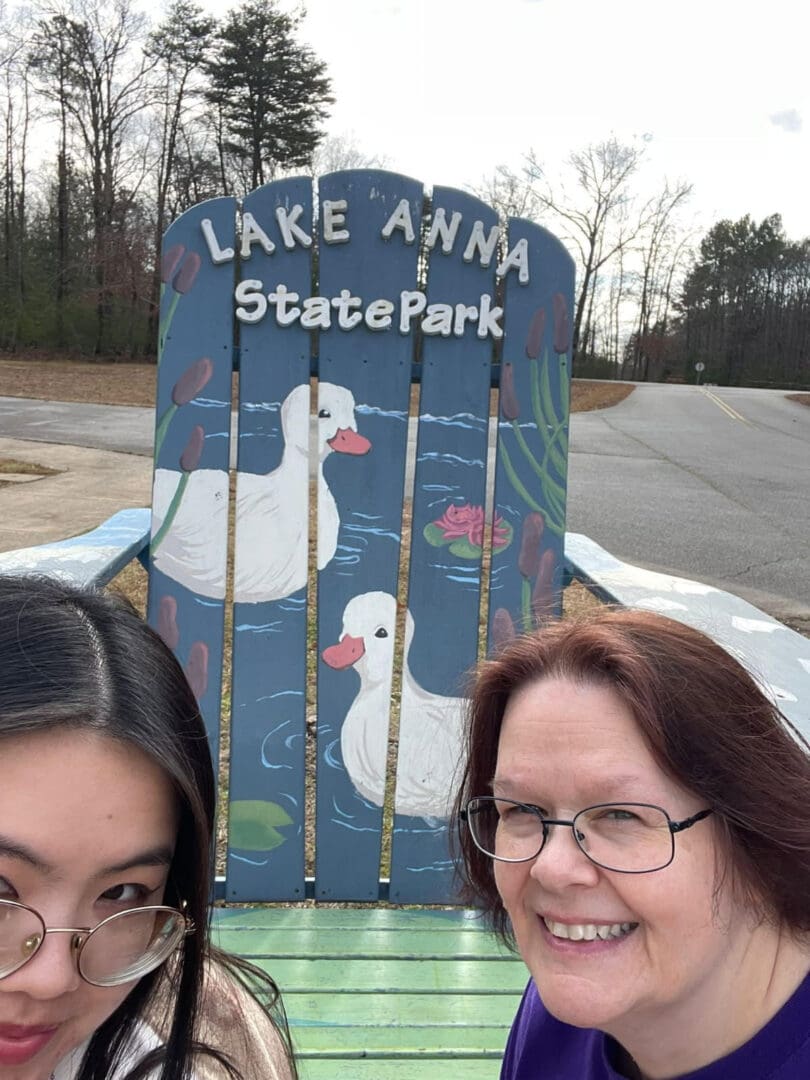
- A dark sky location can really make a big difference in what you are able to see when you go out to observe. Many Virginia State and National Parks have excellent dark skies, and offer inexpensive cabins to rent so you can plan a weekend getaway and enjoy both daytime and nighttime natural wonders. One of my favorite locations is James River State Park, located about an hour or so west of Richmond. It is an International Dark-Sky Association approved dark sky location and offers magnificent views of the heavens.
- Destination stargazing can be both exciting and fun! Especially when a unique astronomical event is involved. You get to experience a new place, and see something that might well happen only once in your lifetime. I traveled to Bloomington, Indiana for the 2024 total solar eclipse and got to visit with friends, see a new city, and witness darkness during the daytime!
Which kind of location you choose depends on what kind of stargazing you want to do. Whatever place you decide to visit, once you’ve got your location, you’re ready to start planning your evening event.
What to Know Before You Go
There are a number of things you’ll want to consider before going out to do your observing in your chosen location. If you’re not already familiar with the site, be sure to check it out during the daytime to see what you might want to have with you to make your stargazing event more comfortable. Are there places to sit? Is a bathroom accessible nearby? Can you get drinks or snacks easily? Make sure you plan ahead to have what you’ll need to be comfortable before heading out into the night.
One of the most important things to do before your observing session is to check the weather. Not only do you want to know if the skies will be clear, you’ll want to be aware of the temperature, especially if you intend to be outside for an extended period of time. Plan to have layers of clothing, and dress as though the temperature is ten degrees colder than what is predicted. Remember – you’ll be standing still a lot. Don’t neglect your feet! Warm socks and good shoes are a must. Also be aware of the expected humidity level – high humidity makes for poor visibility and sticky conditions. Have a backup plan for something fun to do in case the weather does not go your way, and an alternate night to try your stargazing.
Finally, always have an observing plan. What are you hoping to see in the night sky? Is there a special event you want to observe? What planets are visible when you plan to go outside? Monthly sky charts from magazines like Sky and Telescope or Astronomy are a great way to know what’s going to be in the sky before you head out.
Stargazing is Not for the Faint of Heart
Astronomy is a hobby that, if nothing else, will teach you humility. You’ll go through lots of effort to set up an evening of stargazing, perhaps to see some rare event, only to have the sky completely cloud over and ruin everything. Don’t despair. It happens to everyone, professional and amateur astronomers alike.
When it does work out, spending an evening under the stars with friends can be a truly delightful experience. Don’t give up!
How to Get the Most Out of Your Hours Under the Stars
Astronomy has been part of the Virginia Living Museum since we first opened our doors in 1965. We can help you experience the wonders of the universe from right here in Newport News.
- Visit the Abbitt Planetarium for Virginia Skies
Discover what’s up in the current evening sky by joining one of our staff astronomers for a live, guided tour of the heavens in our own Abbitt Planetarium. Our Virginia Skies program will help prepare you to enjoy the sky and give you information that is good for about two weeks from the date of your visit. - Attend a Monthly Stargazing Night
Get outside with our telescope jockeys and do some actual observing with us! On the second Saturday of every month, we open our observatory and planetarium theater in the evening for live sky observing and planetarium and laser shows. Observing is free and open to the public. Shows in the planetarium require a paid ticket. - Book a Private Stargazing Session
Want to do some observing, but want someone else to do all the leg work? We can help. Private observing sessions can be booked either at your location, or at the museum.
To learn more or to sign up for any of these opportunities, visit our website thevlm.org or contact our astronomy manager directly at [email protected]. The heavens await!
Written by Dr. Kelly Herbst, our Astronomy Manager.