1966
November 13, 1966, Virginia Governor Mills E. Godwin, Jr., presides over the opening and dedication of the Junior Nature Museum and Planetarium. The Museum was created through the efforts of Harry Wason, the Warwick Rotary Club and the Junior League of Hampton Roads.
1976
The facility is expanded and renamed the Peninsula Nature and Science Center, with new exhibits added to include the physical and applied science in addition to the natural sciences. Accredited by the American Association of Museums.
1981
Additional construction (6,500 square feet) adds classrooms, exhibit halls, new science exhibits and a large lobby, for a total of 17,000 square feet. Lt. Governor Charles Robb presides over the opening.
1983
The Board of Trustees approves the “living museum” concept, modeled after the renowned Arizona-Sonoran Desert Museum in Tucson. Work begins to become America’s first “living museum” east of the Mississippi River.
1987
May 17, 1987, Governor Gerald L. Baliles opens the new Virginia Living Museum.
1989
The Museum holds its first off-site exhibit, Dinamation Dinosaurs in the Norfolk Arena.
1991
Museum announces need to expand, citing educational demands and limitations of facility.
1991
Outdoor Wetlands Aviary opens. It stresses the vital function wetlands perform in the environment.
1992
Butterfly Garden dedicated.
1993
“Building a Backyard Wildlife Habitat” exhibit opens.
1993
Volunteer Corps exceeds 370 volunteers who worked more than 42,000 hours. The Volunteer Program is cited as resource in American Association of Museum’s Handbook for Volunteer Administration.
1995
The Museum’s first on-site exhibit of “Dinosaurs Outdoors” breaks summer attendance records.
1995
Newport News City Council approves $7 million capital outlay for the Museum expansion.
1998
Public announcement of Museum’s planned expansion with $3 million already raised.
2001
Coastal Plain Aviary opens with 16 species of coastal birds, first phase of $22.6 million expansion.
2002
Gov. Mark Warner attends official groundbreaking for new 62,000-square-foot building. New half-mile elevated boardwalk and animal habitats opened.
2002
Two rare white alligators are exhibited as part of an exhibit on albinism in animals.
2003
Red wolf exhibit opens. It is the first permanent public display of red wolves in Virginia and the first time the Museum has exhibited animals that are part of a federal Species Survival Plan.
2004
March 28, 2004. New 62,000-square-foot exhibition building opens, along with an additional 1/4-mile of elevated boardwalk and new outdoor animal habitats. Gov. Mark Warner presides over opening.
2005
First dinosaur exhibit held in new building, draws record attendance.
2006
Original Museum building renovated and dedicated as the Wason Education Center; Ruby Jubilee celebrates 40th anniversary of the VLM; first red wolf pup born at the VLM; vulture exhibit opens; 5-year Strategic Plan adopted.
2007
“Survivor: Jamestown” exhibit created for VLM; six red wolf pups born; Virginia Garden dedicated in April; new logo adopted; digital sign erected; Wild Side Café opens.
2008
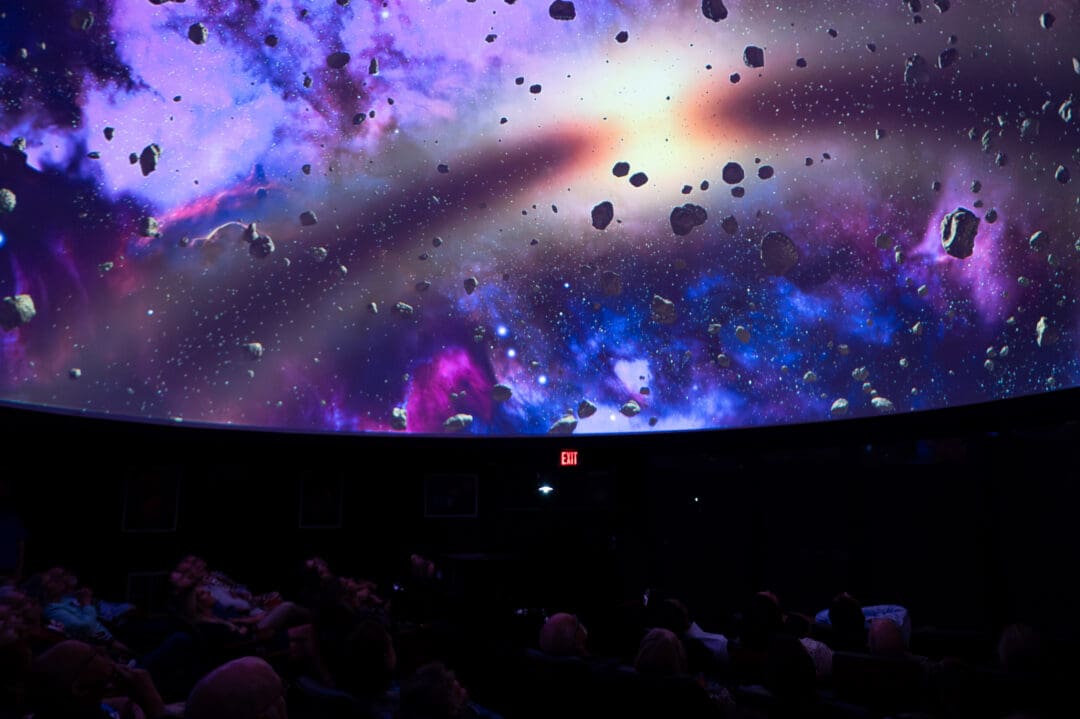
“Survivor: Jamestown” exhibit begins traveling, wins Leading Edge Award from the Association for Science & Technology Centers; $5 million capital campaign launched;100-seat amphitheater/outdoor classroom built; planetarium renovated to provide full-dome state-of-the-art digital experience. Certified a Virginia Green attraction.
2009
Accredited by the Association of Zoos and Aquariums, the first institution in Virginia and the 12th in the country to be accredited by both AZA and AAM. Living Green House and Conservation Garden opened, completing Phase I of 2008 capital campaign. $9 million 2004 capital campaign debt retired with $6 million challenge grant and $3 million from individuals, businesses and foundations.
2010
Museum creates exhibit of Charley Harper artwork, “Beguiled by the Wild.” Exhibit begins traveling in 2011. Volunteer Tede Johnson named Volunteer of the Year by the American Association for Museum Volunteers. Bronze sculpture by Glenna Goodacre donated.
2011
Museum wins conservation landscaping contest. Holt Native Plant Conservatory completed. Donations by Ferguson Enterprises and an anonymous donor finance major branding campaign.
2012
Dr. C. Louise Kirk Animal Surgical Suite completed. Branding campaign video wins a regional Emmy. Strategic Plan adopted that expands programming to include human health initiatives.
2013
Native Plant Teaching Garden, Children’s Garden and Natural Playground completed. One of the largest area non-profit solar installations completed. Bodies Revealed summer exhibition draws new audiences.
2014
AZA awards continuing five-year accreditation. Wild and Well “Be an Animal Keeper, Be a Vet” role play permanent exhibit opens for young children.
2015
Received Governors’ Environmental Excellence Award in recognition of nearly 50 years of environmental education and stewardship. Began celebrating 50th anniversary. Launched $5 million Future Ready campaign for capital projects, science education and endowment.
2016
Celebrated its 50th anniversary with special exhibits and activities. Opened a permanent outdoor dinosaur discovery trail.
2017
Created an annual gala and hired first staff veterinarian (part-time).
2018
Established the Harry & Judy Wason Fellowship and Robert T. Lawson Fellowship.
2019
Large Animal Support Building opened, allowing for larger species and improved wellfare. Museum staff created the Shark Zone summer exhibit.
2020
COVID-19 global pandemic closes doors in March due to State Executive Order. Museum reopens June 6.
2021
Education programs and events are re-focused and re-engineered to support virtual learning due to continued COVID-19 effects. Social Media impressions and engagements skyrocket.
Museum secures second Paycheck Protection Program (PPP) loan to support staffing and operations for COVID-19 effects. Loan fully forgiven, becomes a grant. Museum re-energizes the Strategic Planning process with all stakeholders.2022
Museum deploys Strategic Plan 2022-25, increasing impact and expanding reach are strategic initiatives.
2023
Conservation Command Center (CCC) opened to share conservation education and Museum initiatives.
One Big Ecosystem opened highlighting human connection with space science in the Wason Education Center.
Board approves Next Gen: Protect What’s Precious Strategic Growth Campaign.
Groundbreaking for a new state-of-the-art animal care facility with fully transparent Veterinary Hospital and Nutrition Center, the “Wild Care Center”.
Incorporates the museum's first Free Flight Enclosure and adds a new species American Porcupine Animal Amassador
2024
Virginia Living Museum welcomes first porcupine in the Wild Care Center.