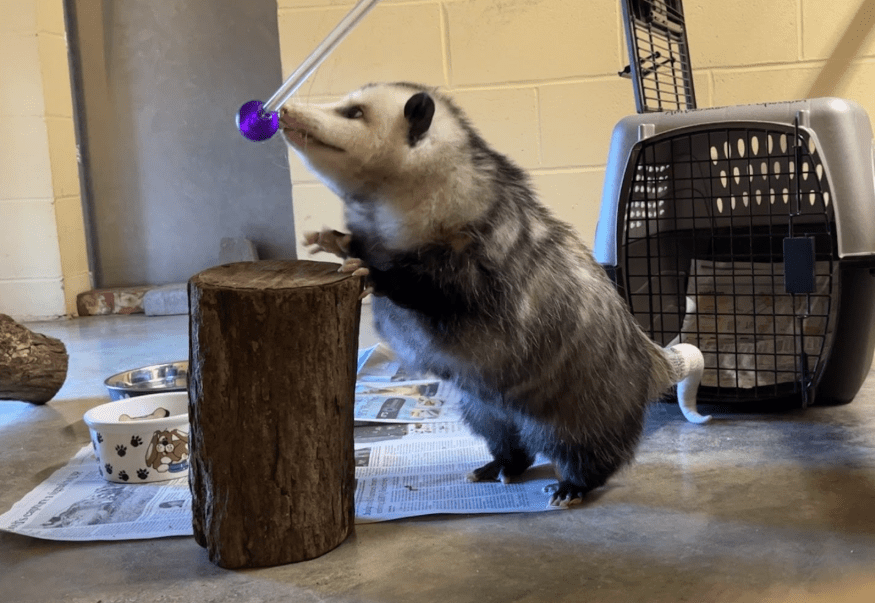
Nobody wants to see and do the same things every day, and the same is true for our complex and emotional animals at the living museum. For our animals’ well-being, we strive to provide a constantly growing arsenal of enrichment. With such an array of options, it becomes helpful to group our enrichment into different types. Sharing these categories with real examples is the perfect way to give insight into all that we offer our resident animals. This post will explore the different forms of enrichment we provide. To learn about enrichment in general and its importance to animals, check out this post.
Sensory Enrichment
Sensory enrichment refers to an attempt at engaging an animal’s senses.
- Auditory enrichment is sounds that will elicit a reaction, such as our bluebird singing back to a recorded bluebird.
- Tactile enrichment provides animals with new textures. The museum has several mats and items kept for their unique texture.
- Olfactory enrichment is any smell that holds the animal’s attention. This often includes the scent of a possible rival, mate, or prey.
- Gustatory enrichment refers to tastes beyond their routine diet. One example is our deer licking a salt disc.
- Olfactory and gustatory enrichment are sometimes grouped as chemoreception enrichment, since some animals’ chemical receptors are not as distinctly split into smell and taste, such as fish.
- The last sensory type is visual enrichment, in which attention is held with something they can see. A rather humorous example is when our pufferfish was captivated by an episode of The Bachelorette.
It’s a good idea to consider an animal’s strongest senses when selecting sensory enrichment!
Food/Feeding Enrichment
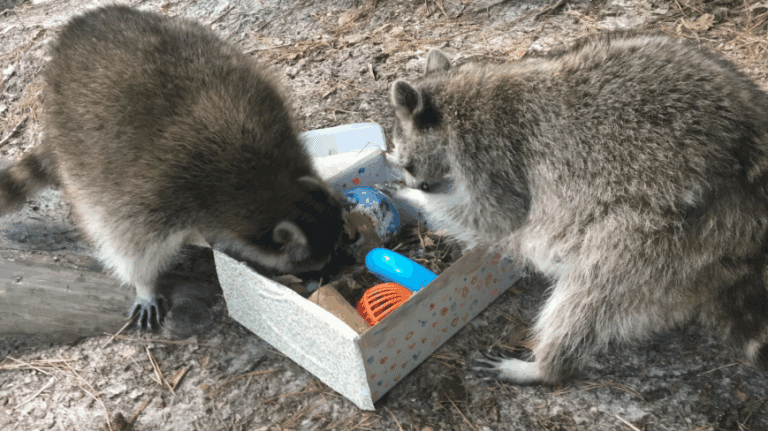
Feeding time can stay exciting for our animals with new food and new ways of presenting meals. Keepers can offer animals items not found in their routine diets by referring to our list of approved enrichment foods for each animal. This could be raspberries for a herbivore or live feeder animals for a predator. There are many ways to make food delivery more engaging, many of which encourage more work on the animal’s part and build physical well-being. Keepers can scatter food across the enclosure, bury it in substrate bins, or place it in puzzle feeders.
Environmental Enrichment
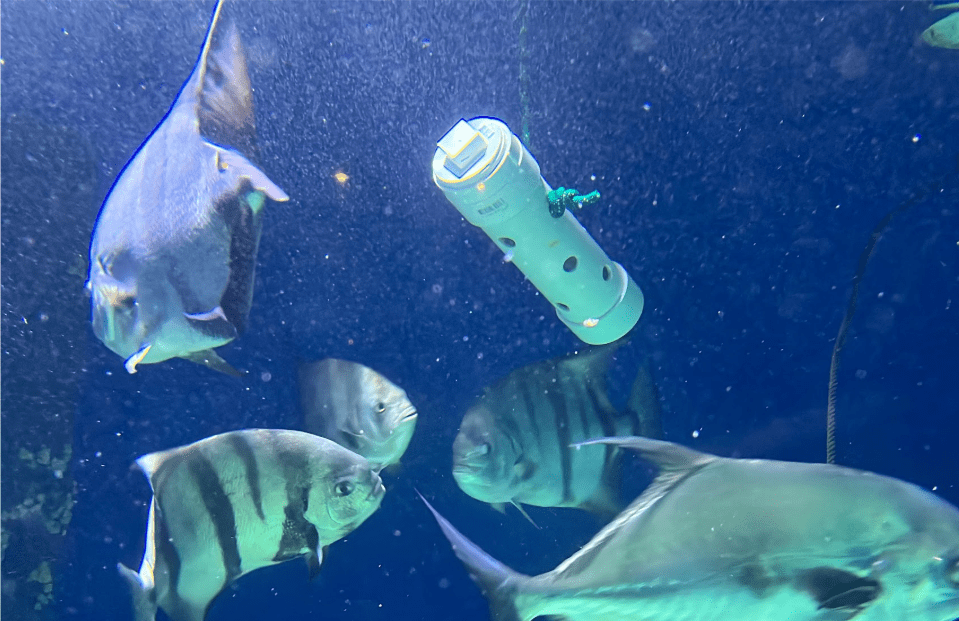
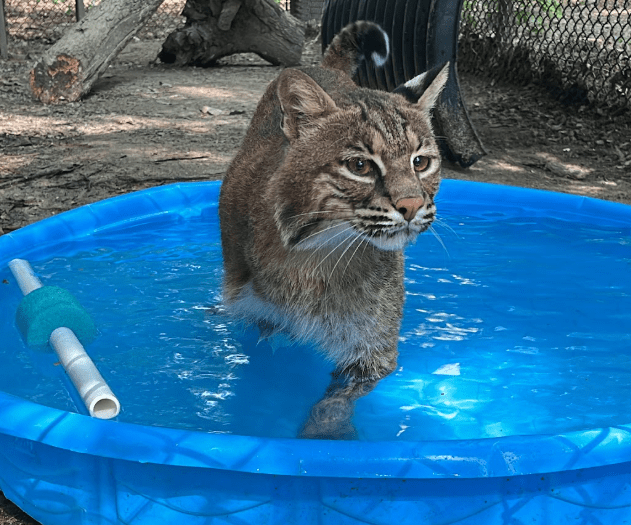
Environmental enrichment is changes made to the physical space around the animal. This can be taking the animal somewhere new or making changes to their enclosure. Changes to their enclosure can include rearranging furniture and adding new resting areas or water features. For aquatic animals, the temperature and salinity of the water can be changed to mimic real fluctuations in our local waterways. In some instances, natural occurrences become enrichment, such as snow or trees falling in the enclosure.
Cognitive Enrichment
Wild animals, much like humans, often need to learn and strategize to solve problems and maintain cognitive well-being. Cognitive enrichment encourages this process of complex thinking while making the animal feel more in control of their surroundings. This can include puzzle feeders, hunting experiences, or making the terrain of their enclosure more complex, forcing them to strategize as they move about.
Social Enrichment
Social enrichment involves interactions with other animals or with people. Animals are preferably housed in species-appropriate group sizes so that social animals can engage in grooming, courtship, and other interactions. Even solitary animals can participate in social enrichment by receiving the scent of prey or a rival animal. Human interactions that make the animals more at ease around guests are also considered social enrichment.
Training
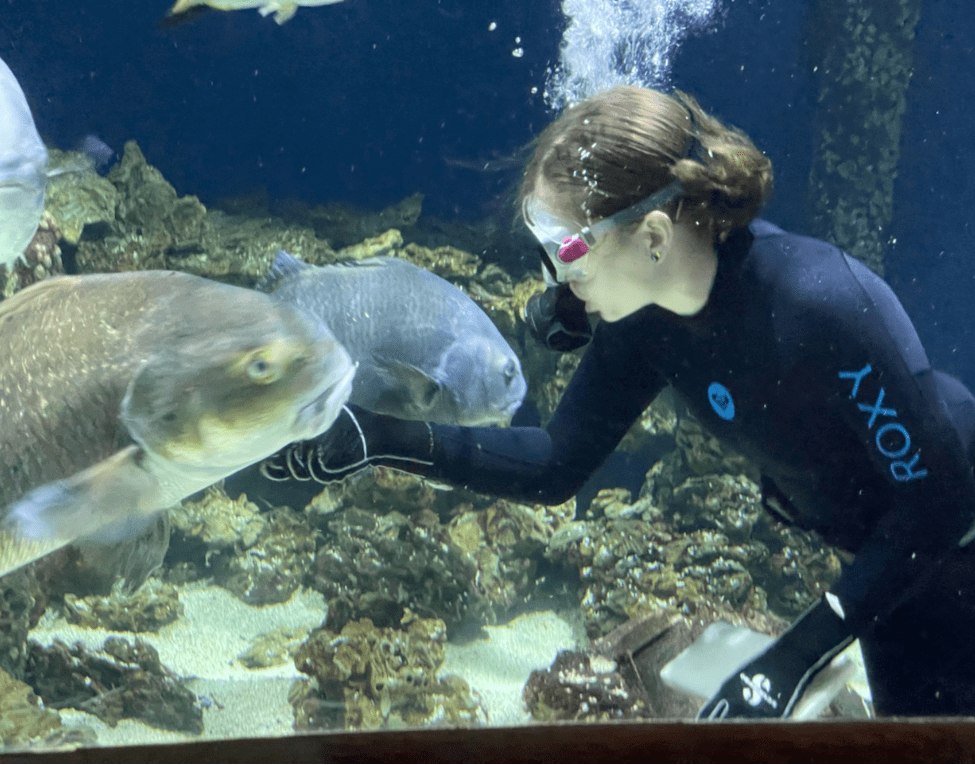
Animal training is a complex part of animal husbandry worthy of its own blog post; however, it is also considered a part of enrichment as it helps break up their routine and bring new experiences.
Fitness
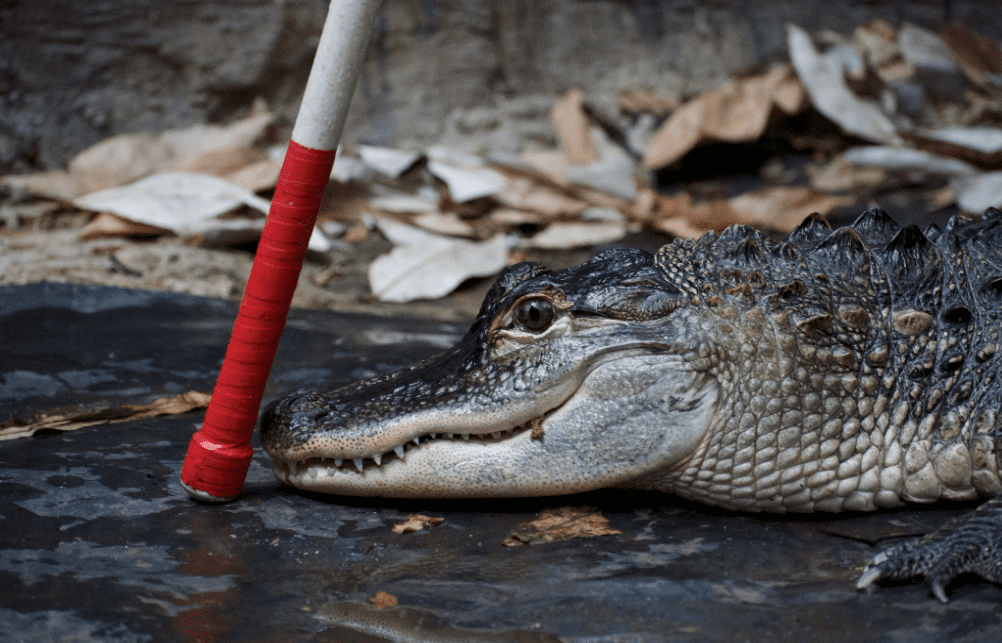
Animals in human care can be more prone to weight gain and arthritis, since they may be less active than their wild counterparts, who search for food every day. Fitness enrichment encourages movement to maintain muscle and joint health. Many zoos and aquariums do not include fitness as a distinct category, as it almost always overlaps with many other forms of enrichment. However, the Virginia Living Museum is home to many animals with special needs, and a fitness category helps us better monitor animal well-being. New logs and pools can encourage climbing and swimming. Throwing a ball may be all it takes for a playful animal to give chase.