North American Porcupine
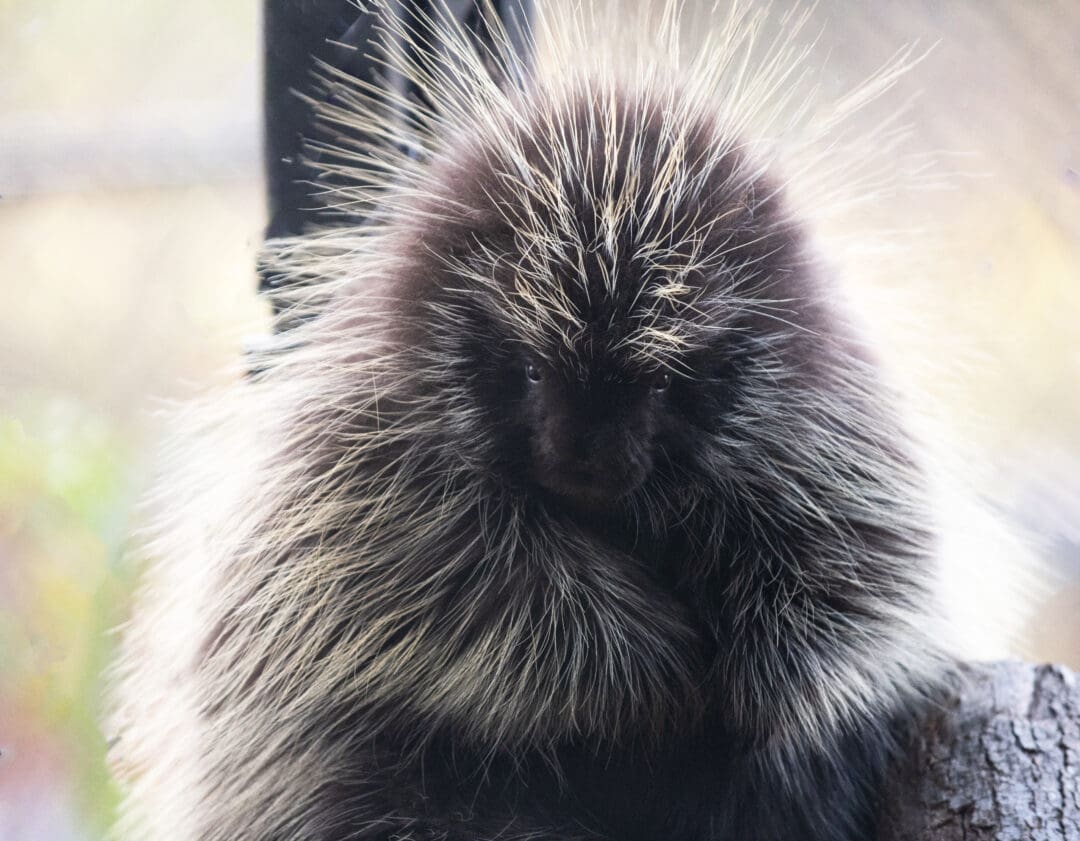
The North American porcupine (Erethizon dorsatum) is one of the most fascinating mammals in the forests of North America. Known for its quilled coat and slow, deliberate movements, this stout, short-legged animal plays a vital role in the ecosystems it inhabits. Below, we explore its physical characteristics, adaptations, and behaviors in detail. Physical Characteristics The […]
White-tailed Deer
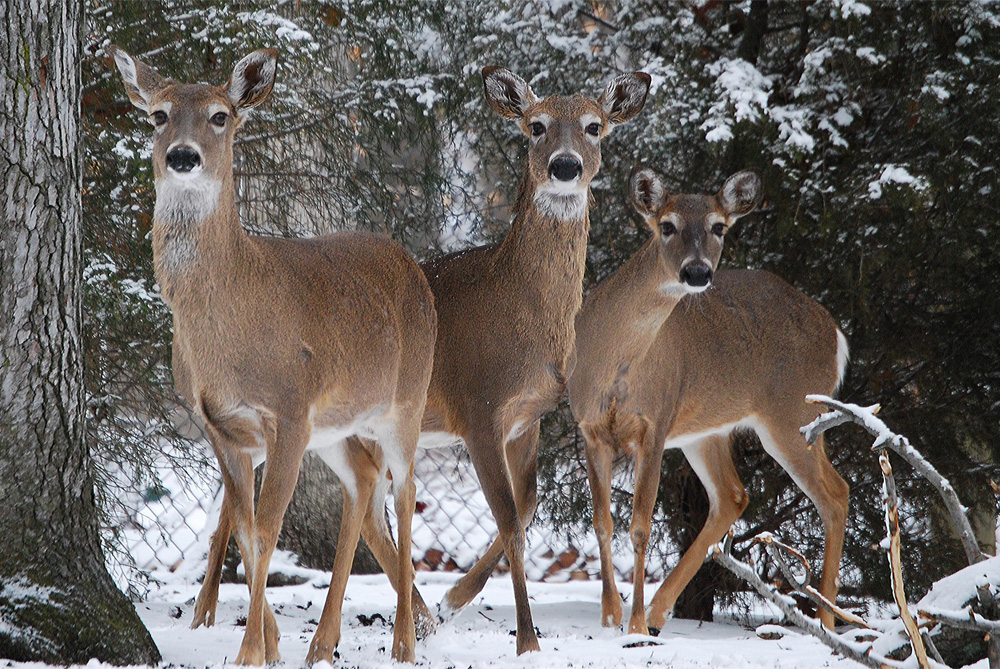
Today, the white-tailed deer has one of the largest wild animal populations found in Virginia. This highly-adaptive mammal can be seen wandering the grounds of one’s garden, backyard or a neighboring forest. Like elk, moose and caribou, the white-tailed deer is part of the Cervidae family. This family has split-hoofed feet and no teeth on […]
Striped Skunk
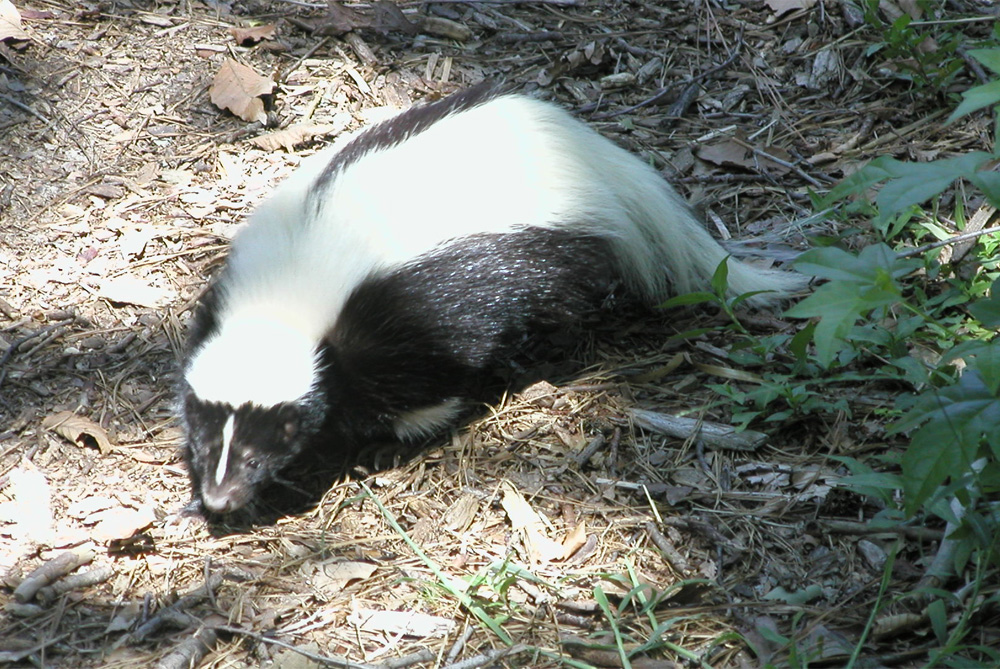
Skunks are found throughout the United States. Their name comes from the Algonquian Indian word seganku, which means polecat. This mammal has a small head, ears, eyes and a pointed nose. It has short legs, black fur and a wide rear end. It walks on all fours like a bear and has long, sharp claws for digging. […]
Red Foxes

We have all heard the expression “sly as a fox,” “fox in the hen house” and “crazy like a fox.” These phrases apply to a handsome member of the dog family that is found throughout Virginia. In fact there are two members of this canine family that are indigenous, the Red and Gray fox. Red […]
Raccoon
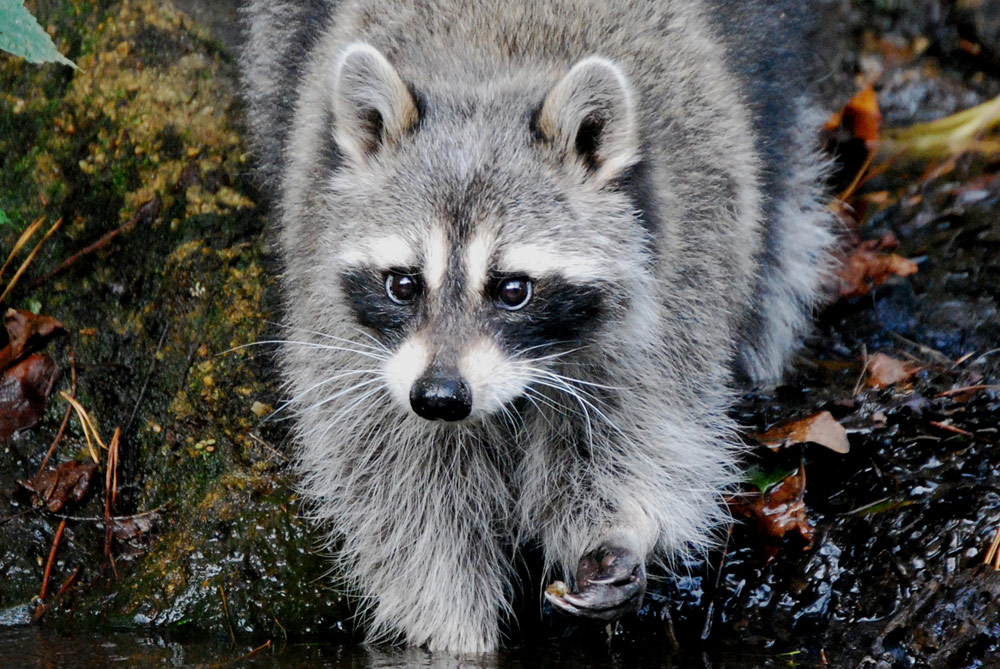
The raccoon (Procyon lotor) is one of the few examples of an animal that has thrived despite human development and sprawl. With its intelligence and adaptability, the raccoon finds its niche in both our backyards and in its normal habitats of stream edges, forests and coastal marshes. Our yards provide homes in chimneys, attics, sheds and log […]
Opossum
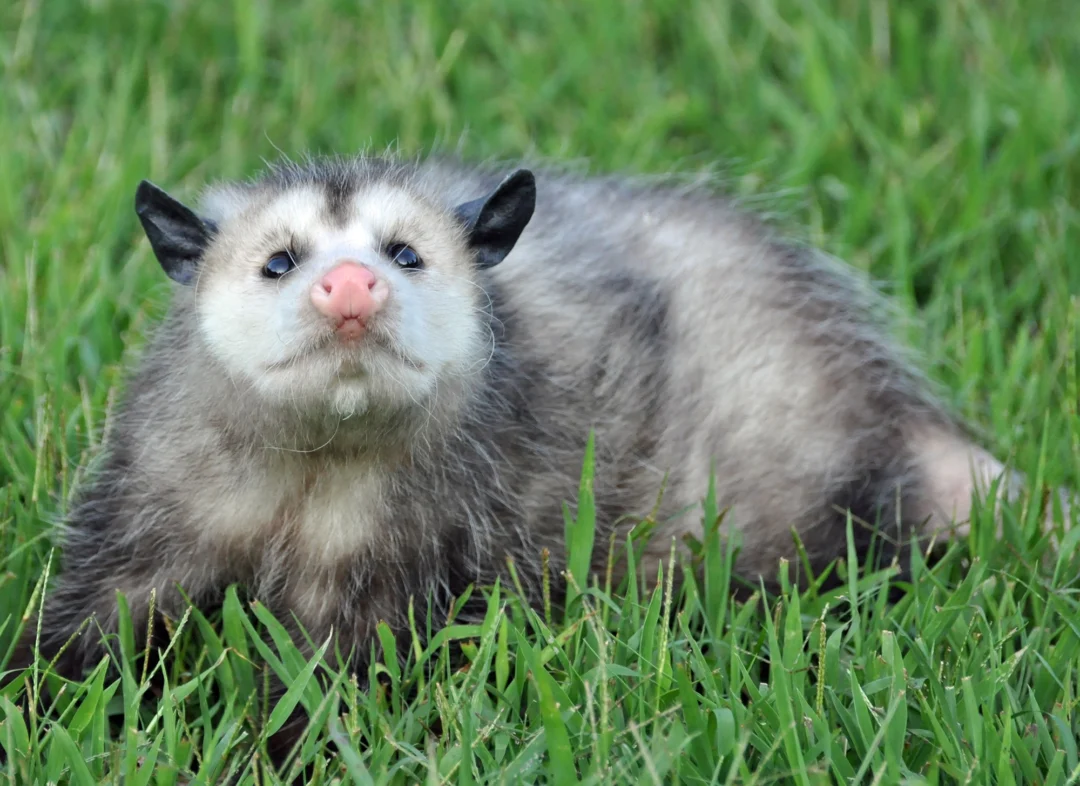
One of the world’s most primitive mammals is the opossum. They have existed relatively unchanged for nearly 90 million years and are the only marsupials (pouched mammals) that live in the United States. They are also found in Australia and South America. The opossum’s success is partially due to its lack of specialized physical structure […]
Northern River Otter
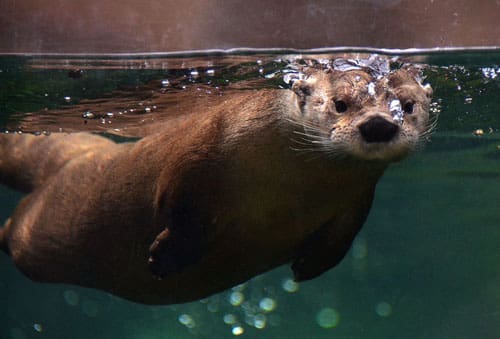
The northern river otter (Lontra canadensis, formerly Lutra canadensis) is a semi-aquatic carnivorous mammal in the Mustelidae or “weasel family” which includes weasels, minks, ferrets, wolverines and badgers. They live along inland and coastal waterways of North America, predominantly in the Atlantic States, Gulf of Mexico and Pacific Northwest. In Virginia, river otters inhabit a […]
Groundhog
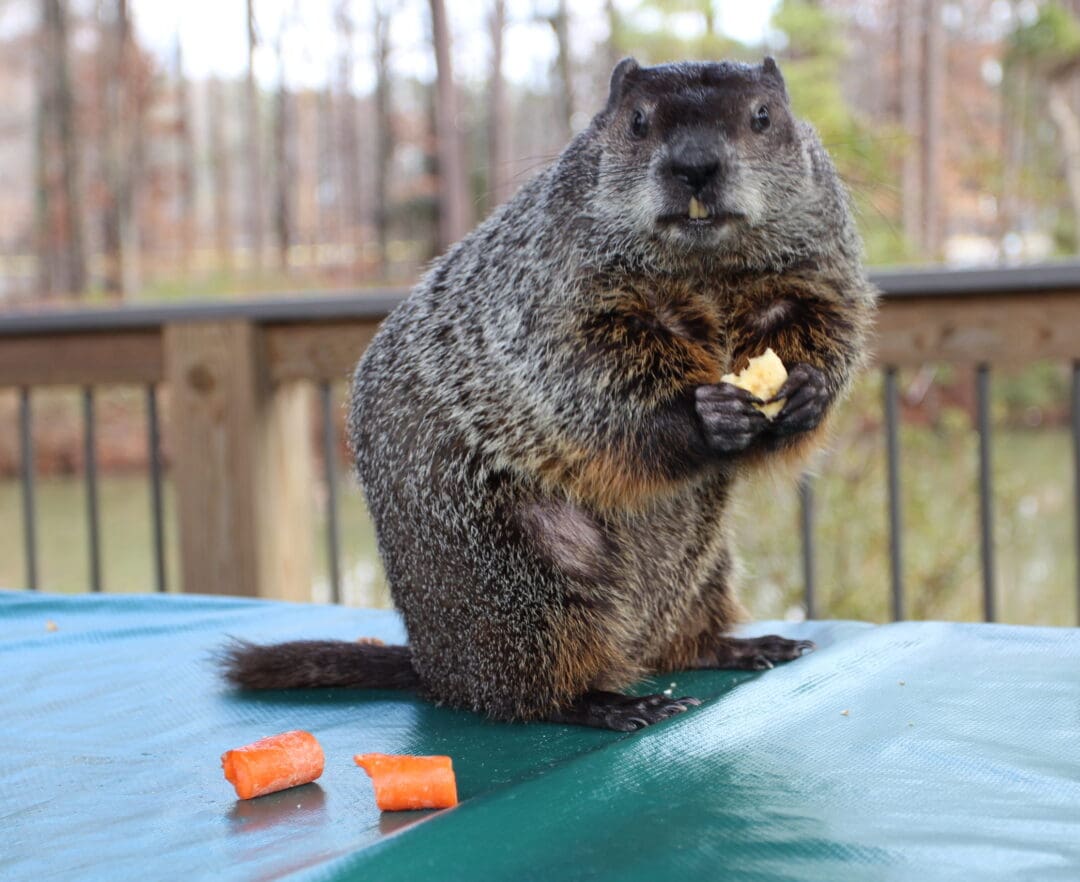
A groundhog is a member of the rodent family, related to mice, muskrats, beavers, and squirrels. An adult measures about 18 inches from nose to tail tip and has a chubby body, furry tail, and short powerful legs. Groundhogs live at the edges of wooded areas, meadows or open brushy hillsides. An adult groundhog lives […]
Coyote
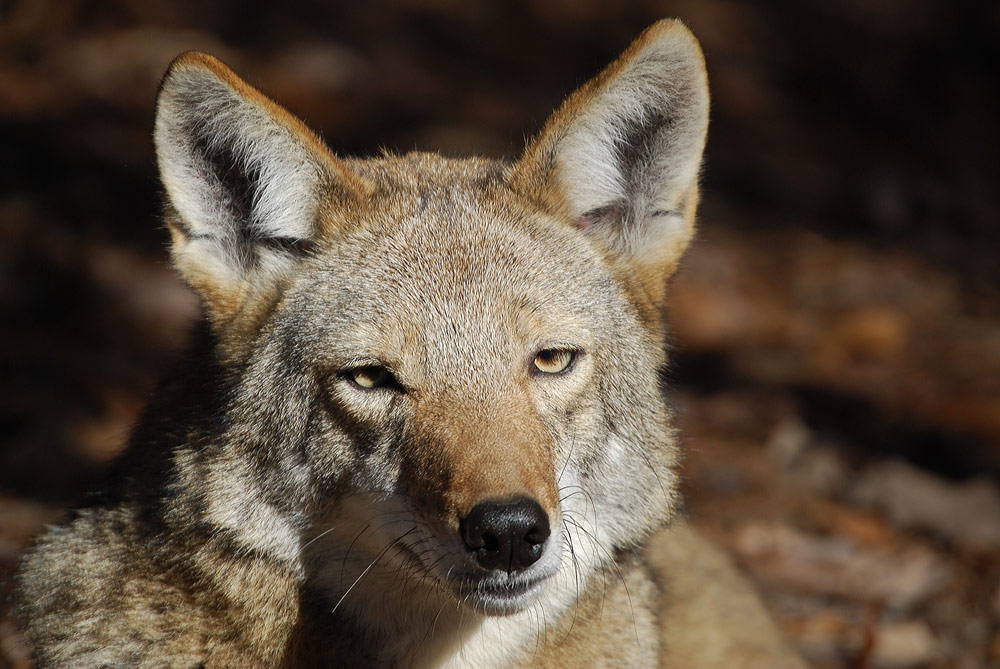
The Aztecs worshipped the coyote (coyotl) as a hunting god, a mischief-maker, and a moon goddess for its baying at the moon. Native American legends portrayed it as a trickster: part god, part animal and part human. Americans are most familiar with its famous howl, which reminds us of the old west. Today the coyote […]
Bobcat
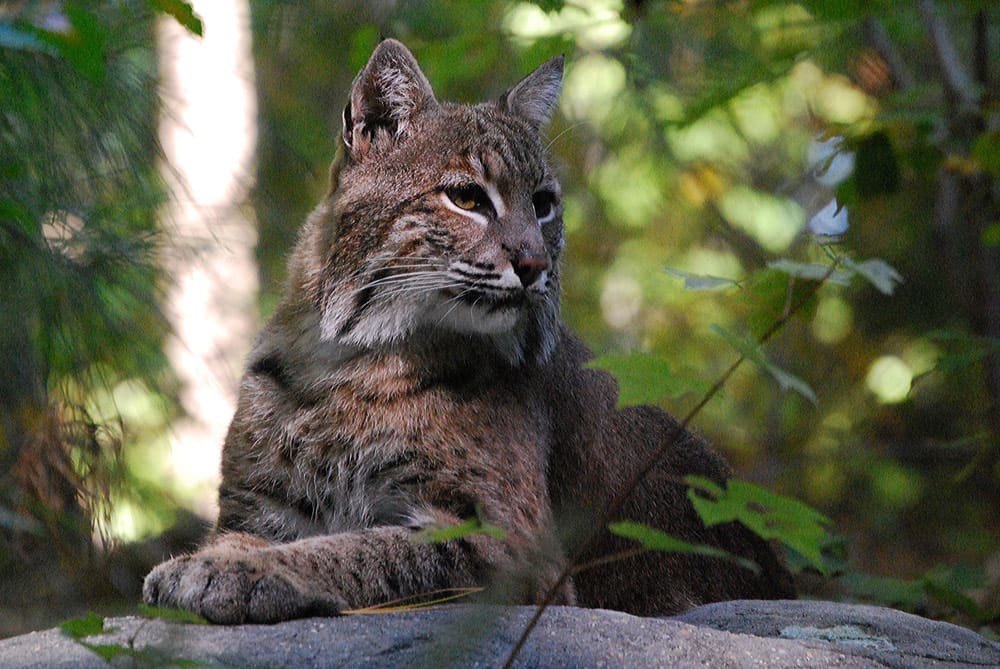
One of the more secretive and fascinating mammals found in Virginia is the bobcat (Lynx rufus). Bobcats are adaptable, predatory members of the North American cat family. The only wild feline still found in the state, they are common in the Dismal Swamp and the mountains of Virginia and are rarely seen in other areas. […]
Beaver
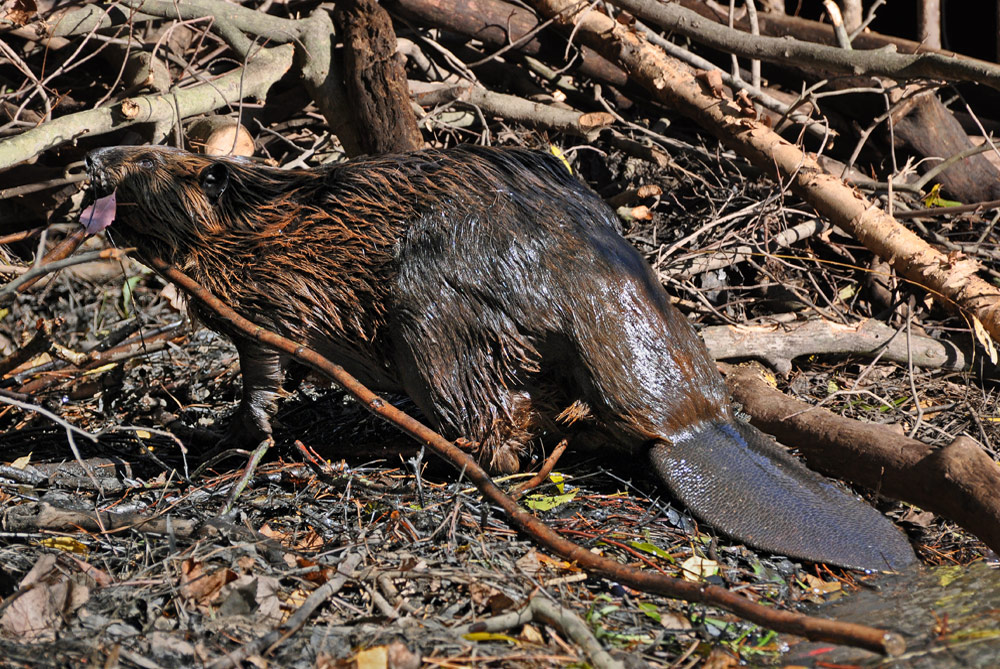
When settlers were first exploring our country, they were surprised to find large rodents in the ponds and streams. These were our North American Beavers (Castor canadensis). At about 3 to 4 feet long and weighing up to 86 lbs, the average weight being range 44 to 60 lbs, beavers are our largest native aquatic […]
American Red Wolf
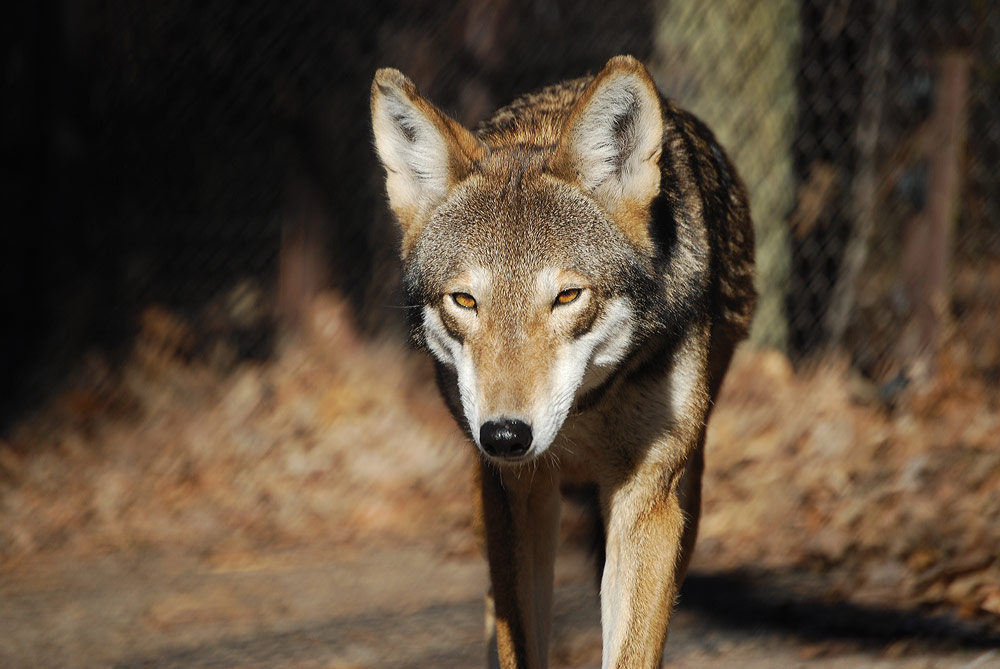
In colonial times, American Red Wolves (Canis rufus) ranged throughout the southeast. Today they are one of the most endangered mammal in North America. Visitors to the Virginia Living Museum can enjoy watching red wolves along the museum’s outdoor boardwalk. The red wolves are part of a federal Species Survival Plan. The red wolf gets […]