When most guests visit the Virginia Living Museum, they see the animals, the exhibits, and the unforgettable moments that happen out on the trail.
What many don’t see is the incredible amount of care that happens behind the scenes before breakfast is even served.
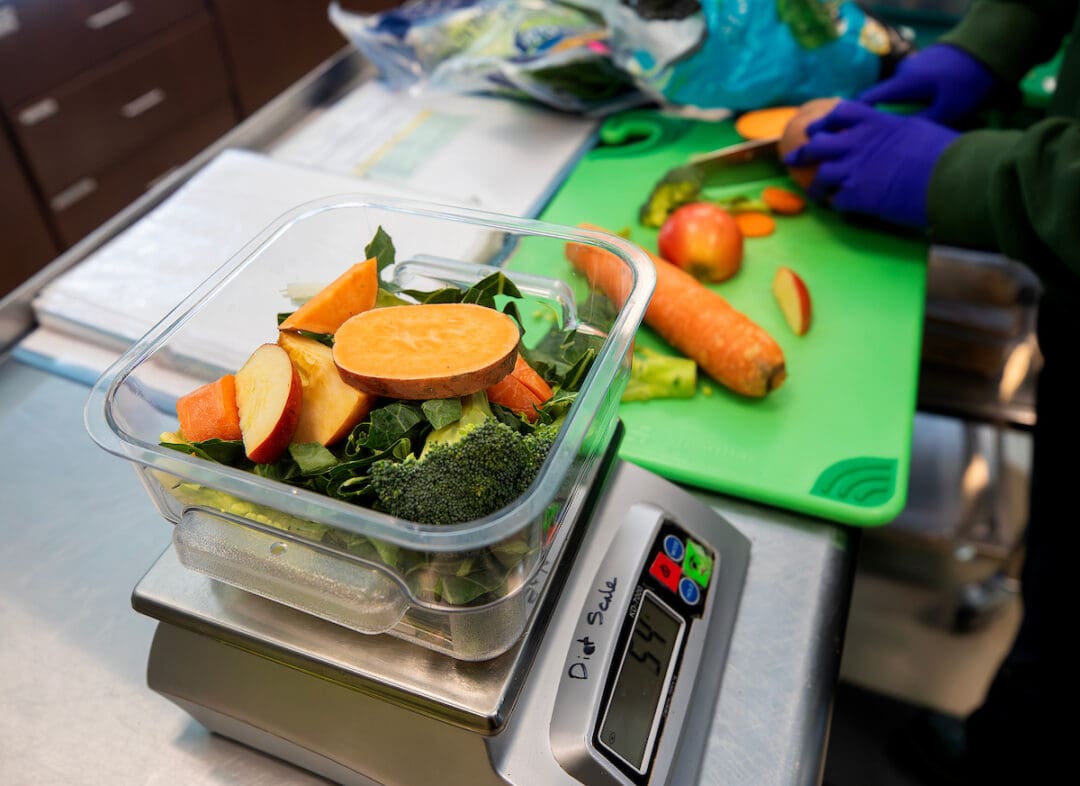
Early each morning, before most guests arrive, diets are being measured, produce is being chopped, fish are being thawed, and meals are carefully prepared for the animals who call the Museum home. With the help of dedicated volunteers, the Bird and Mammal team works behind the scenes to ensure every animal receives a thoughtfully prepared meal tailored to their needs. From berries for omnivores to whole prey diets for birds of prey and carnivores, every meal plays an important role in supporting animal health and welfare.
Feeding Animals Isn’t as Simple as Filling a Bowl
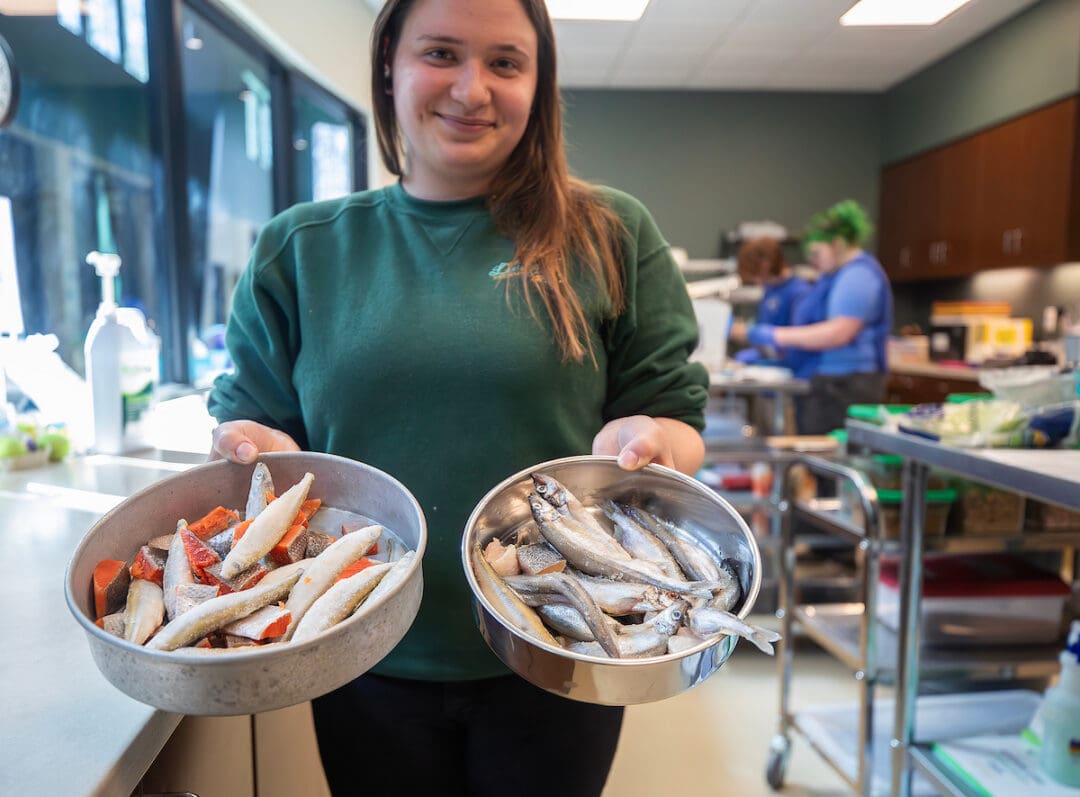
One thing that may surprise guests is just how closely the Museum tries to mimic what animals would eat in the wild.
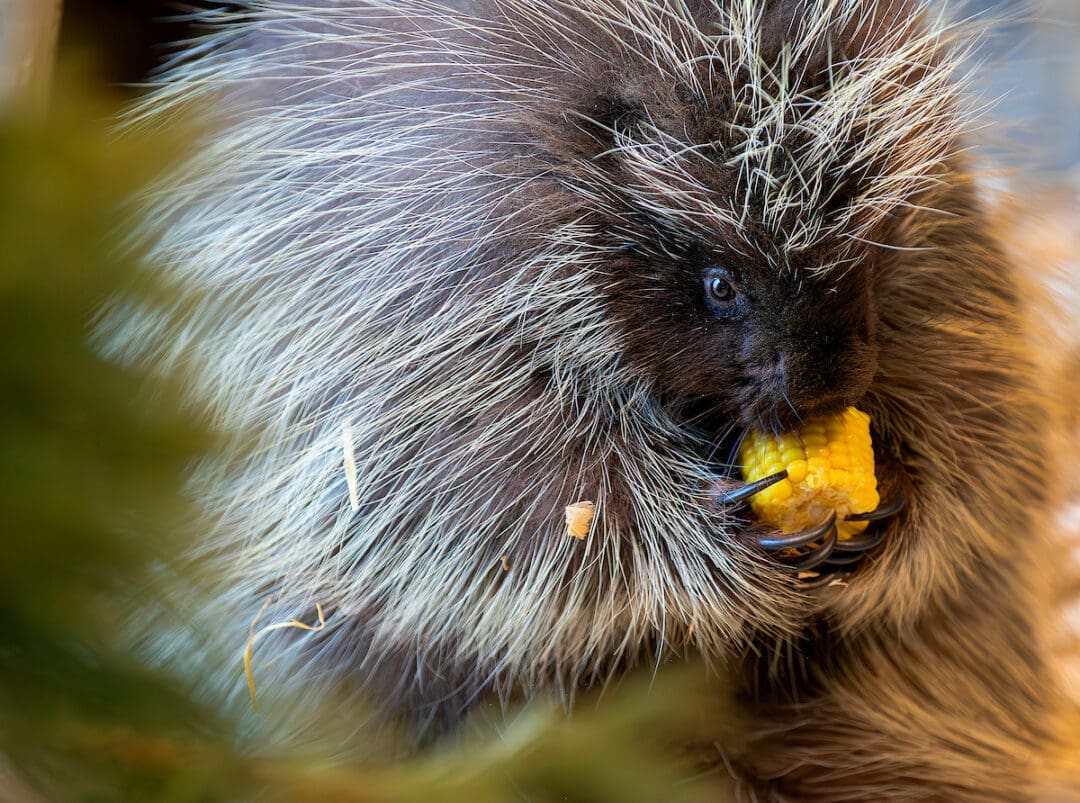
For carnivores, that can mean whole prey diets including mice, rats, quail, rabbits, and fish. For herbivores and omnivores, diets are filled with leafy greens, berries, squash, sweet potatoes, apples, and other fresh produce.
And yes, much of that produce comes from the same place many families shop each week.
The Museum receives regular produce deliveries from Walmart, and many of the grains and pellets used are very similar to the kibble people feed their pets at home.
The goal is always to recreate a natural diet as closely as possible while ensuring the animals receive the nutrients they need to thrive. When exact diets can’t be replicated, specially formulated vitamins and supplements help fill in the gaps.
Inside the Nutrition Center
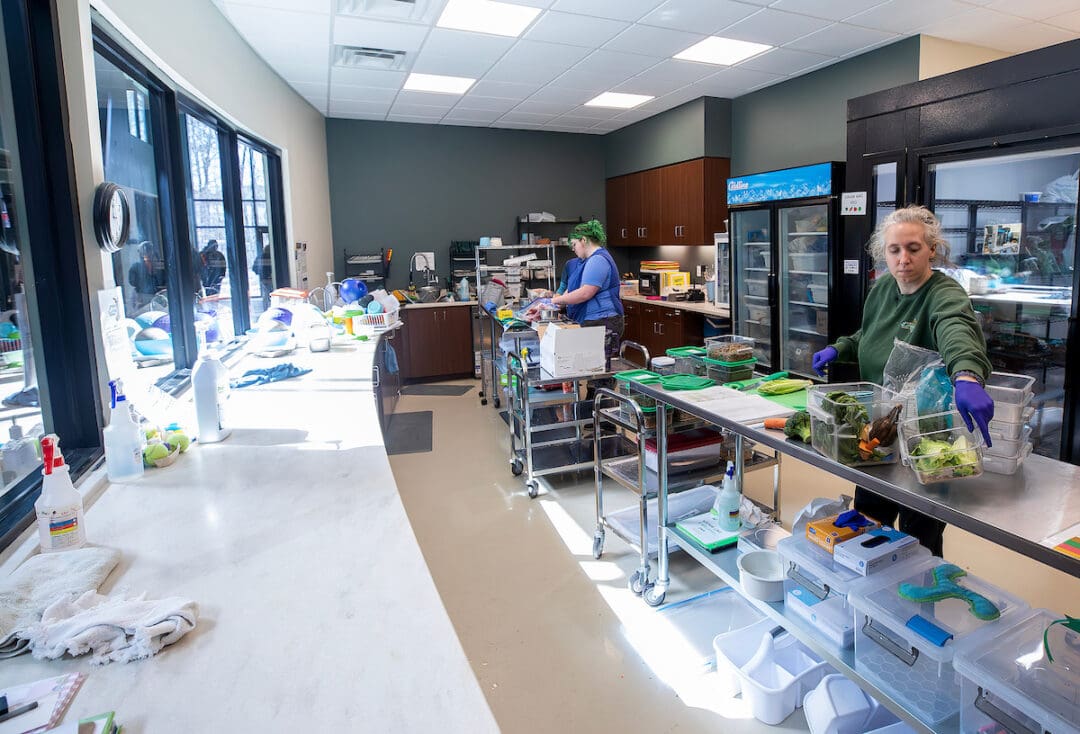
The Nutrition Center, also called the Commissary, is part of the Museum’s Wild Care Center. It gives guests a rare look into an area many zoos and aquariums keep behind the scenes.
Here, guests can catch glimpses of the work that powers animal care behind the scenes, from daily food prep to veterinary procedures and husbandry support.
It’s also a reminder that caring for animals takes an entire team. Not every role happens inside an exhibit. Some happen behind prep tables, beside refrigerators full of produce, or while carefully portioning diets for dozens of animals before the day begins.
A Morning in the Commissary
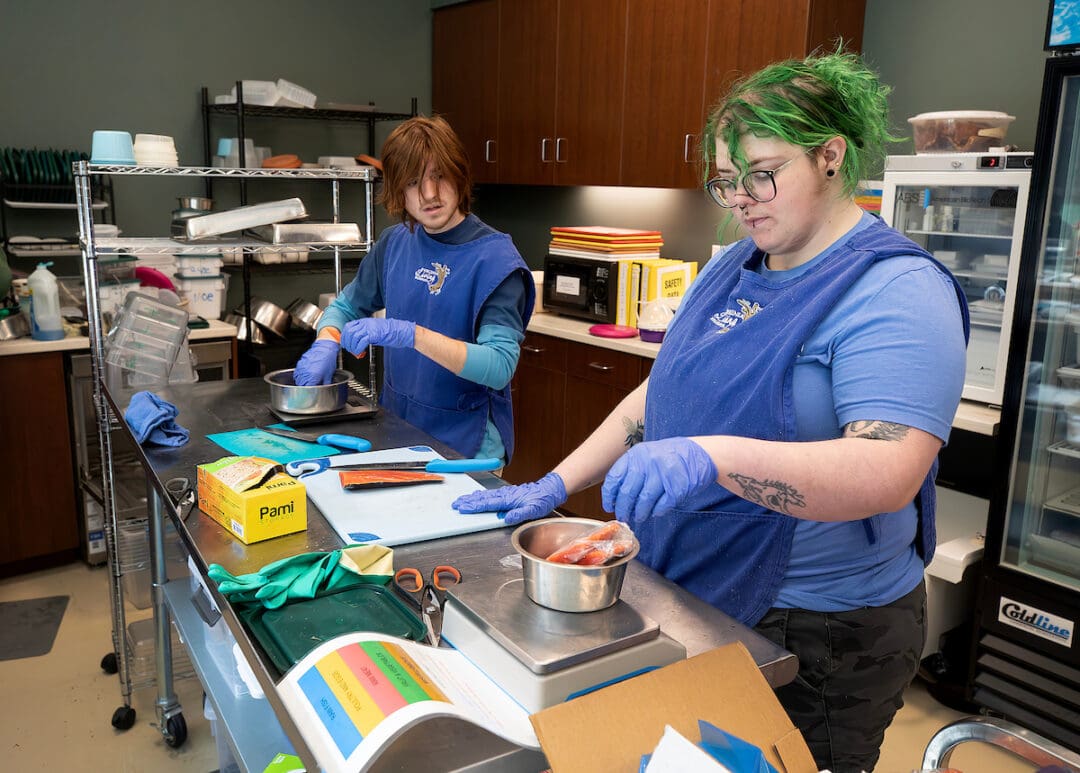
A typical morning starts early.
Dedicated volunteers assist with much of the daily diet prep, allowing animal keepers to focus on training, enrichment, and other aspects of animal welfare.
On any given day, the Bird and Mammal team may prepare diets for anywhere between 18 and 26 animals, though the actual number of meals can be much higher since many animals receive multiple diet types.
Some carnivores also participate in “fast days,” where they receive little or no food for a day to better replicate the unpredictability of hunting in the wild. After all, wild animals don’t successfully catch prey every single day.
Meanwhile, separate kitchens throughout the Museum are also preparing diets for aquarium animals and reptiles.
Animals and Humans Have More in Common Than You Think
When planning animal diets, nutrition matters just as much as taste.
The team considers many of the same things humans think about when evaluating healthy foods: protein, vitamins, carbohydrates, sodium, sugars, and overall nutritional value.
But nutrition isn’t the only factor.
Meals also need to be appealing and enriching. Animals, just like people, are more likely to enjoy foods they find tasty and interesting. That’s why the Museum sometimes introduces novel enrichment foods like applesauce, baby food, canned pet food, or special treats in small amounts.
There are also foods the team intentionally avoids. Ingredients like grapes, onions, and garlic can be dangerous or even fatal for some species, especially canines and felines.
More Than Just Feeding Animals
At its core, diet prep is about animal welfare.
Every chopped vegetable, thawed fish, and carefully portioned meal contributes to an animal’s long-term health and quality of life.
The Commissary staff may not always be the people guests see during keeper talks or encounters, but their work plays a vital role in caring for the Museum’s animal ambassadors every single day.
And perhaps that’s the biggest takeaway of all.
Behind every healthy animal at the Museum is an entire team working thoughtfully and intentionally to ensure they receive the best possible care — one meal at a time.
Adopt a Wild Thing
Every carefully prepared meal, enrichment activity, veterinary check, and daily care routine is made possible through the support of people who care deeply about wildlife and conservation.
One meaningful way to support the animals who call the Virginia Living Museum home is through Virginia Living Museum’s Adopt-A-Wild-Thing program. Symbolically adopting an animal helps provide nutritious diets, enrichment, habitat care, and ongoing support for the Museum’s animal ambassadors.
Whether you’re adopting a favorite species, giving a meaningful gift, or simply looking for a way to make a difference, every adoption helps support the daily care happening both on exhibit and behind the scenes.