At the Virginia Living Museum, our visitors come to explore, to learn, and if we are fortunate, to connect. To pause in front of a native animal of Virginia that shares this land with us and realize that the wild is not somewhere else, but part of our everyday lives.
When you step into the Museum and find yourself a few feet away from a Bald Eagle, perched and steady, you are not just seeing a bird of prey. You are meeting a creature of the very skies and waterways of Virginia, a symbol of survival and strength. When you watch an Eastern Box Turtle slowly emerge from its hiding place, you are witnessing a species that has lived in these forests and fields long before any of our communities were here and one that teaches us patience, resilience, and gentleness.
These up close moments matter. They allow us to move beyond facts and into feeling. When we make eye contact with a living creature, something shifts—curiosity turns into empathy, and care becomes action.
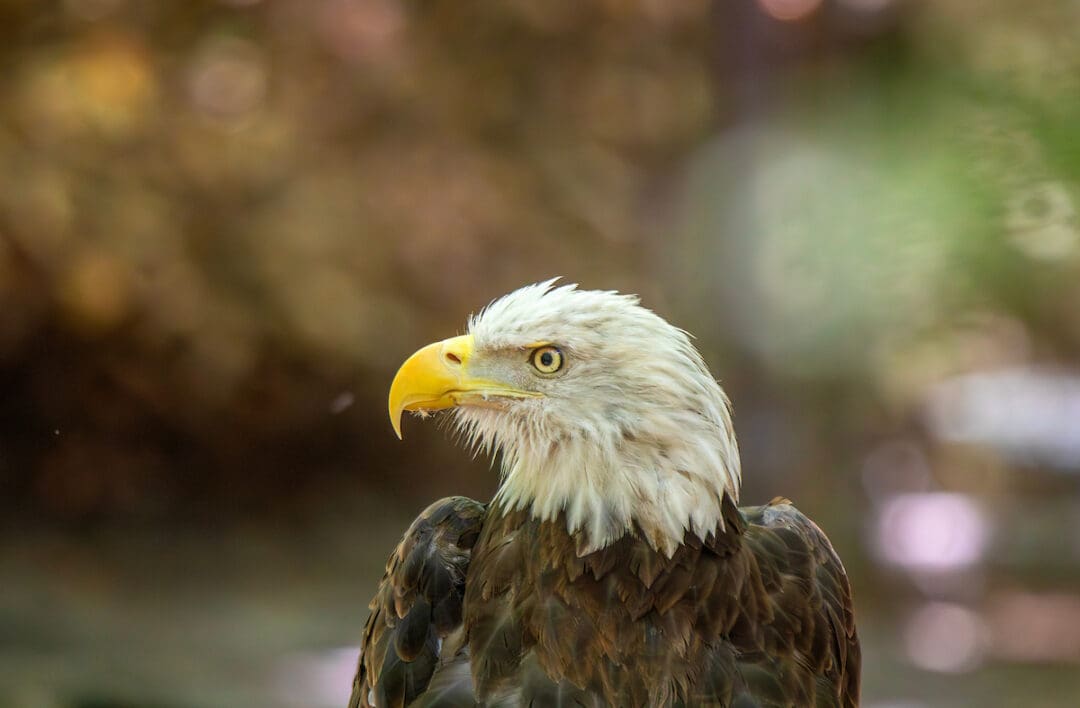
Meet Rock, our new North American Bald Eagle.
A Landscape of Stories
- The Bald Eagle
A symbol of strength and resilience, the Bald Eagle is more than a national emblem — it is a powerful presence in the skies and shorelines of Virginia. When visitors stand just feet away from our resident eagle, they’re able to see details you can’t quite notice from afar: the keen, searching eyes, the snowy white crown, the precision of each feather. Many Bald Eagles in human care are survivors, often rescued due to injuries that prevent them from returning to the wild. Meeting one up close is a reminder not only of their majesty, but of the responsibility we share in protecting the waterways and habitats they depend on. - The Eastern Box Turtle
Slow, steady, and faithful. On the forest floor, this turtle carries a beautiful patterned shell and a calm presence. When visitors lean in to study its habits, its gentle pace reminds us that nature often thrives outside the limits of our hurry and noise. - The North American River Otter
To watch an otter swim and dive is to feel the life of our rivers and marshes come alive in front of your eyes. These mammals are playful and intelligent, and when you see them so close, you understand how deeply they depend on clean water and protected habitats.
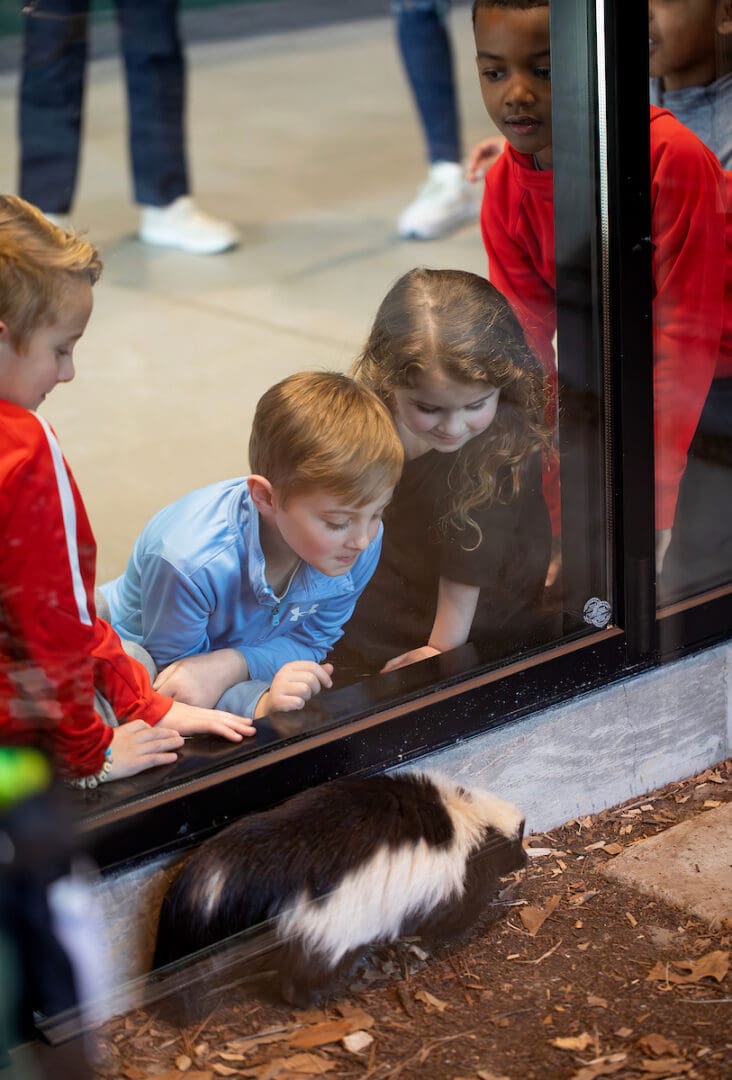
Children get eye-level with Lux the skunk to watch him skurry around his exhibit.
Why Close Encounters Lead to Care for Our Native Animals of Virginia
When you see an animal, hear its breath, notice its movements, follow its gaze, you step into something more than learning. You step into connection. At the Museum, we created a space for those up-close encounters in our new Wild Care Center. An educator shares a story. A child leans closer. A visitor stands still to watch a turtle disappear into its shell. Moments like these can lead to something powerful:
- They help us recognize animals as individuals
- They show us how deeply we are connected to the land and water around us
- They inspire us to protect and advocate for the natural world
You can read and study nature from a distance, but a close encounter creates a kind of memory that stays with you and often leads to a sense of responsibility that lasts.
What You Can Do Right Now
- When you visit, pause. Let the moment have space
- Watch the eyes of an eagle, the slow step of a turtle, the bubbling swim of an otter
- Ask questions. Wonder aloud. Stay curious
- Once you head back home, look for the life around you. Visit a nearby trail, plant native plants in your yard, or keep storm drains free of pollution
- Share your experience. Whether it is a conversation, a photo, a child’s drawing, these small ripples encourage others to care too
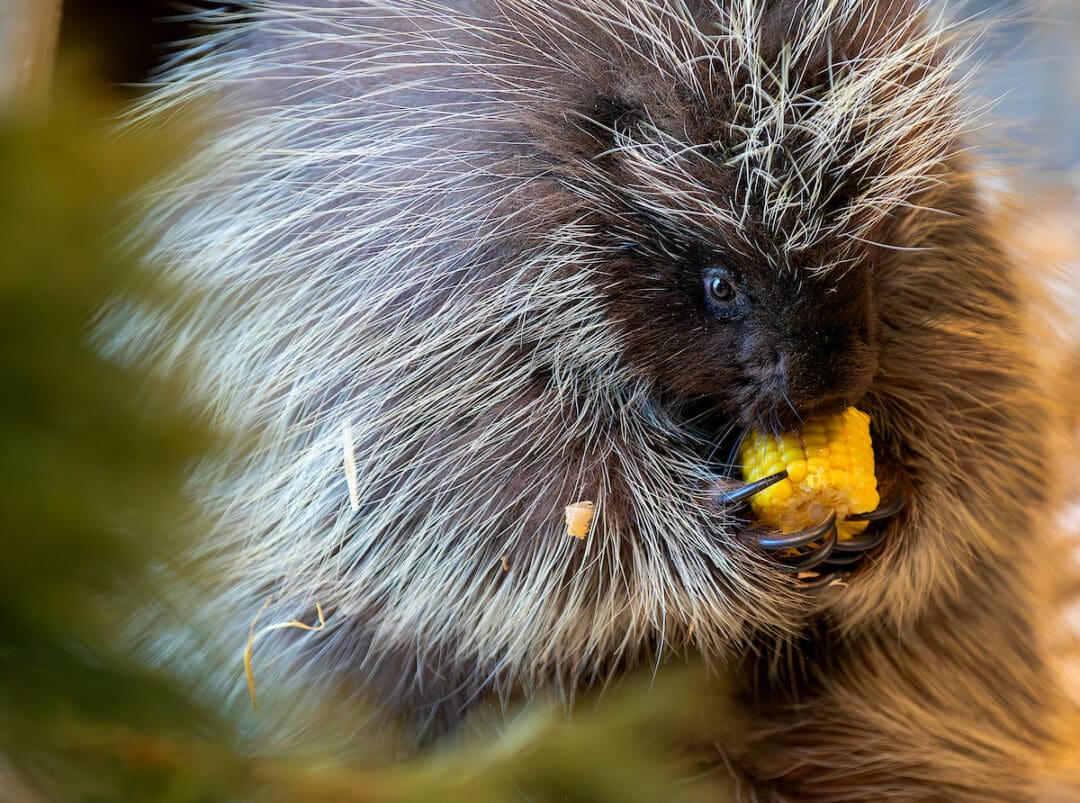
Danni, North American porcupine happily crunching on a corn on the cob.
Your Story Becomes Part of Ours
The Virginia Living Museum is not just a place to observe animals. It is a place where people and wildlife meet in meaningful ways. When you walk through our exhibits and see our North American porcupine happily crunching on a corn on the cob, you realize his diet isn’t so different from your own. Moments like that remind us how closely our lives are tied to the natural world.
Legacy and connection are created through experiences like these. The angle of an eagle’s wings, the speckled pattern of a turtle’s shell, the swirl of water behind a diving otter. These small details reshape how we think about nature and our place within it.
Come lean in with us. Meet the remarkable animals of Virginia. Let a moment spark something in you, and let that story ripple outward into your home, your community, and our shared world.