There’s something new swimming at the Virginia Living Museum! Our Ectotherms Department, home to the museum’s fish, reptiles, amphibians, and invertebrates, has welcomed several exciting new aquarium residents. From tiny grass shrimp and northern pipefish to a striking gray snapper, these additions highlight the beauty and diversity of Virginia’s aquatic ecosystems. Come see what’s new the next time you visit and discover how our team is creating more sustainable and enriching habitats for the animals in our care.
Fintastic New Arrivals in the Ectotherms Department!
Hi there! I’m Kortney, the Curator of the Ectotherms Department – fish, invertebrates, reptiles & amphibians – here to share some fun updates about the newest animals you can meet the next time you visit the Virginia Living Museum!
If you’ve stopped by recently, you’ve probably noticed lots of changes in our aquariums. Over the past year and a half, the Ectotherms Team has been busy rehoming many of our fish that have outgrown their spaces.
Before COVID, we often collected native fish locally and released them back into the wild once they reached adult size. Since 2021, however, the museum has shifted toward more sustainable and ethical practices in line with AZA-accredited facility standards. This means we now focus on acquiring aqua-cultured or captive-bred fish from partner zoos and aquariums, rather than collecting and releasing wild specimens whenever possible.
Let’s meet our newest residents:
Grass Shrimp (over 80!)
Grass Shrimp were added to the colony in the Shrimp exhibit in the World of Darkness on the lower level. These tiny, transparent crustaceans are key players in estuary food webs and serve as excellent bioindicators of ecosystem health.
Northern Pipefish (10 individuals)
Northern Pipefish are now in the Eelgrass exhibit near the Touchpool. Closely related to seahorses, these slender fish are masters of camouflage, blending seamlessly into underwater vegetation.
Planehead Filefish (pair) & White Mullet (small school)
Planhead Filefish and White Mullet are now in the Sargasso Sea exhibit in the upper level Chesapeake Bay Gallery. This habitat highlights the importance of floating mats of Sargassum seaweed—critical shelter for many marine species, even if it is less appreciated when it washes up on beaches!
Because of these new additions, the three Atlantic Spadefish that previously lived in the Sargasso Sea have moved in with our Diamondback Terrapins in the Marsh exhibit right next door. They’ve settled in beautifully.
Killifish (Mummichogs, Striped Killifish, and Spotfin Killifish)
A mix of Killifish species have been added to our Shallow Waters exhibit (previously the Trash Tank) in the Conservation Command Center on the lower level. These small, hardy fish are common in tidal creeks and salt marshes along Virginia’s Eastern Shore. Look closely to see the single naked goby and the smaller juvenile Sheepshead minnows that were hatched here at the VLM.
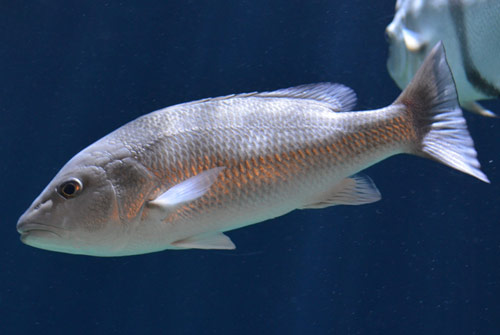
Gray Snapper
Gray Snapper have been added in to our massive 30,000-gallon Chesapeake Bay habitat! While juveniles occasionally appear in Virginia waters, adult Gray Snapper are more typical from Florida to Brazil, often found around piers and docks. This individual joins an impressive community that includes Permit, Florida Pompano, Atlantic Spadefish, Lookdown, Black Seabass, Sheepshead, and Bluefish.
So, where did the big fish go?
You might be wondering what happened to some of our larger residents. Over the past year and a half, several of our biggest fish—including the Striped Bass from the James River habitat, Longnose Gar from the Swamp, Permit, Black Drum, Queen Triggerfish, and Spadefish from Chesapeake Bay, and Pinfish from Coastal Reef — have been relocated to partner facilities across the East Coast.
These transfers take a lot of planning: permits, interstate transport paperwork, veterinary testing, vehicle rentals, and moving many gallons of water to keep fish safe and comfortable during travel. We appreciate your patience as we manage these transitions and temporarily empty habitats—we’re hard at work bringing in new, exciting species to fill those spaces!
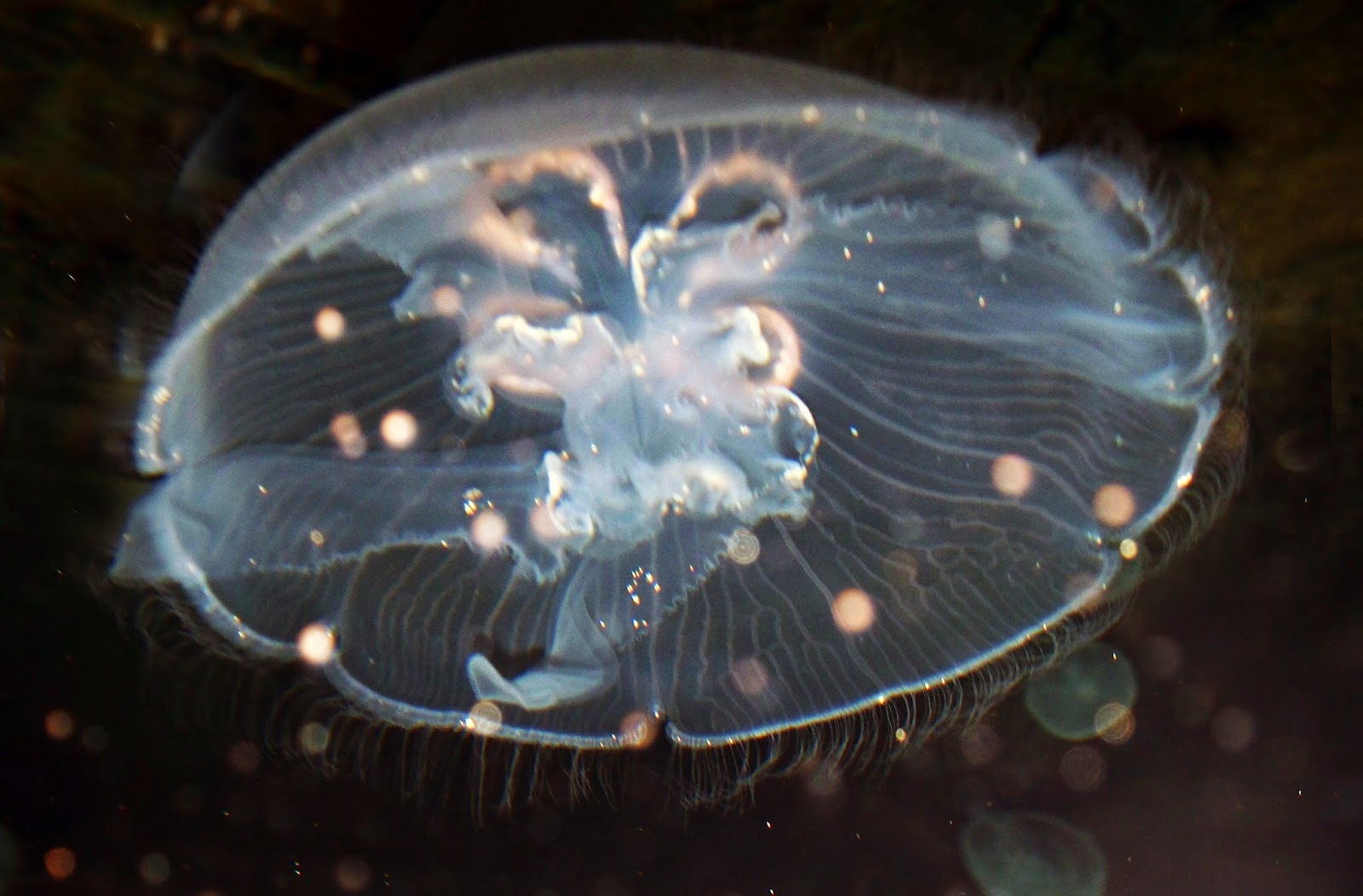
Coming Soon… Moon Jellies!
And yes, we know we’ve been saying this for a while—but our Moon Jellies are coming back!
Getting a jellyfish exhibit just right takes time. The water flow has to be perfect to keep them suspended and healthy. The good news? They’re growing fast, eating well, and we’re making great progress. With a little more tweaking, you’ll (hopefully) be seeing them back on display soon!
Plan a Visit!
Our team is always working behind the scenes to improve habitats and introduce new species, so there’s always something new to discover. Plan a visit soon to see the latest aquarium updates and say hello to the newest members of the Ectotherms family.
Written by Kortney, the Curator of the Ectotherms.