If you have a teen who is curious, hands-on, or quietly searching for something meaningful, you may find yourself wondering where they truly belong.
At the Virginia Living Museum, teen programs offer more than just something to do.
We offer a place to belong.
Here, teens are trusted, challenged, and invited into real experiences that shape how they see themselves and the world around them.
What Can Teens Actually Do at the Museum?
It’s one of the most common questions we hear.
Not just what’s available, but what it’s really like to be part of it.
The answer? More than you might expect.
Teens at the Virginia Living Museum don’t just observe. They participate in meaningful, hands-on work like:
- Assisting with Cold-Blooded Encounters, helping guests interact with reptiles and amphibians
- Supporting Animal Wall Training, where animals practice behaviors that keep them healthy and engaged
- Helping create enrichment activities that encourage natural behaviors
- Engaging with guests by answering questions and sharing what they’ve learned
It’s hands-on, meaningful, and a chance to truly be part of it.
Can Teens Really Work on Real Projects That Make a Difference?
They can, and they do.
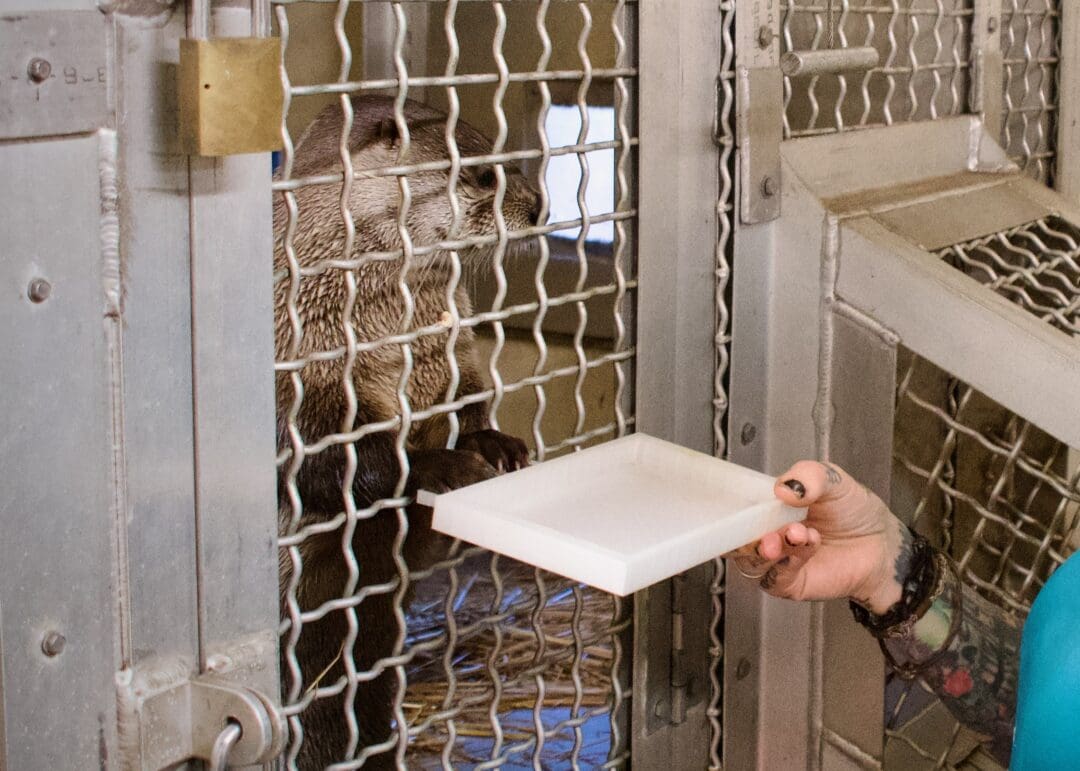
Take Isabella, a student who joined as an animal enrichment intern. What began as a typical internship became something extraordinary.
She was tasked with designing a specialized EKG holder for Nora, one of the museum’s otters. Something that, until that moment, had never been created for an otter before.
Through trial, error, and persistence, Isabella used 3D modeling and printing to develop a working design that now helps safely monitor Nora’s heart health.
It’s the kind of experience that moves beyond learning into real contribution.
Not theoretical. Real.
Read more about Isabella and how she created the museum’s first otter EKG.
How Do These Experiences at the Virginia Living Museum Shape a Teen Over Time?
Sometimes, it doesn’t start with a big decision.
It starts with a single visit. A camp. A volunteer shift.
And over time, something begins to take root.
We’ve seen this happen again and again at the VLM.
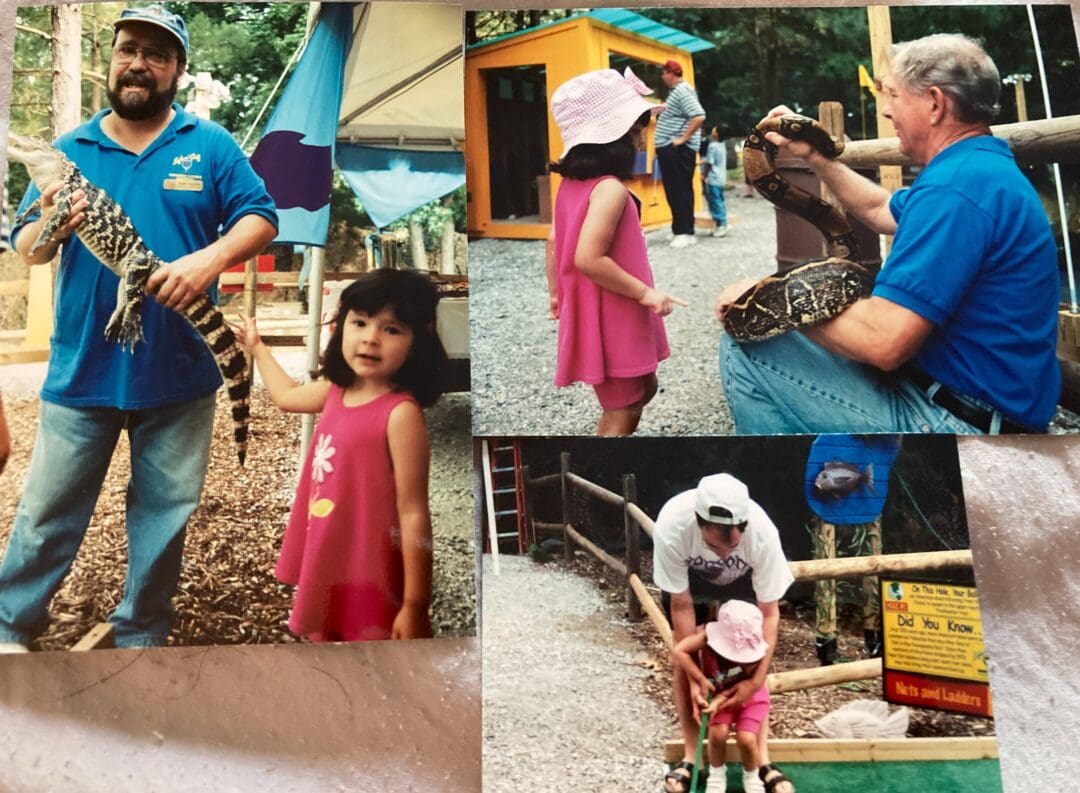
Clara first came to the museum as a young child with her family. Over time, she returned for camps, volunteered, and stayed connected to the experiences that sparked her curiosity.
Years later, she came back once more, this time as part of the museum’s team.
Her story is a quiet reminder that these early experiences don’t just fill time.
They shape interests, build confidence, and sometimes come full circle in unexpected ways.

How Do Teens Contribute to Conservation and Research?
Some teens are drawn to research, data, and conservation efforts.
Aysia, for example, joined the museum through a mentorship program and dedicated over 175 hours to Project FeederWatch, a community science initiative connected to the Cornell Lab of Ornithology.
But her work didn’t stop at observation.
She:
- Conducted bird monitoring and data collection
- Educated museum guests about bird conservation
- Designed and led a full-scale educational event for World Migratory Bird Day
- Created eight interactive stations that engaged over 680 visitors
Her work continues to live on, with her materials still being used to educate others.
And perhaps most importantly, it helped shape her future path in environmental and conservation science.
Learn what Hawaii and Project FeederWatch have in common.
Check out our other conservation initiatives and areas your teen could serve.
What Is the Green Teens Program and What Do They Work On?
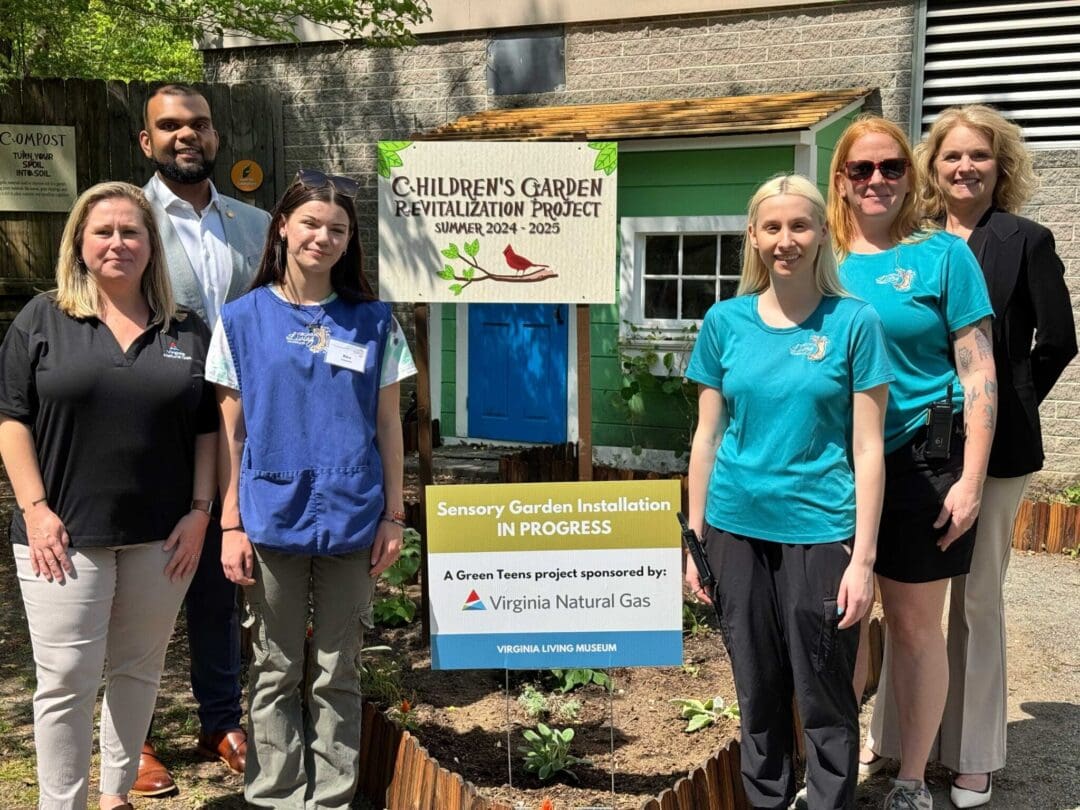
- Planned and executed the project
- Collaborated with partners like Virginia Natural Gas
- Helped bring a meaningful, lasting space to life
It’s leadership, but in a way that feels grounded and real.
Are There Hands-On Camps for Teens Exploring Future Careers?
Yes, and they are thoughtfully designed for teens who want to try, test, and explore.
These are not passive learning environments. Teens step into real-world roles.
Some of the current offerings include:
Paleontology Day
Teens take on the role of paleontologists, learning how to locate, identify, and preserve fossils from around Virginia.
Veterinary Science Day
A hands-on introduction to animal care, including wound care, anatomy, and nutrition, along with behind-the-scenes access to veterinary spaces.
Experiments and Explosions
A day for curious minds to test scientific myths and explore the more unexpected side of science.
Each experience is designed to spark curiosity while building confidence.
Want to know more? Check out our summer camps for middle and high school career camps.
What Volunteer Opportunities Are Available for Teens?
Teen volunteers (ages 11–17) can take on a variety of roles depending on their interests:
- Assisting guests through interpretation
- Supporting interactive areas like the touch pool
- Helping during special events
- Participating in conservation or educational efforts
Younger volunteers can begin alongside a parent or guardian, while older teens have opportunities to work more independently.
Check out volunteer opportunities at the museum.
Why Do Teens Stay Involved Once They Start?
Often, teens begin because they need service hours, but they stay because they begin to see themselves not just as students, but as contributors.
They gain:
- Verified volunteer hours for school or scholarships
- Letters of recommendation
- Real-world experience in science and conservation
- Opportunities to build confidence and communication skills
- A sense of purpose and belonging
They begin to see themselves not just as students, but as contributors.
Can These Experiences Help Teens Prepare for Their Future?
They can, and they often do.
Whether a student is exploring veterinary science, environmental studies, conservation, or education, these experiences provide meaningful exposure.
Internships, mentorships, and volunteer roles allow teens to:
- Test out potential career paths
- Build skills beyond the classroom
- Strengthen college and job applications
- Gain clarity about what excites them
And sometimes, one experience is all it takes to set a direction
What Questions Do Parents and Teens Often Ask?
Do volunteer hours count toward school or graduation requirements?
Yes. Many students use their hours to meet school requirements, strengthen college applications, or fulfill scholarship criteria.
What age can teens start volunteering?
Teens can begin as Junior Volunteers at age 11. Some roles have additional age requirements, and younger teens may need to volunteer alongside a parent or guardian.
Are there opportunities for teens interested in veterinary or science careers?
Yes. Programs like Veterinary Science Day, internships, and conservation-based volunteer roles provide hands-on exposure to these fields.
How many hours can teens earn?
Opportunities vary, but many students are able to complete significant service hours through consistent weekly shifts or mentorship programs.
Will my teen gain real-world experience?
Absolutely. Many teens work alongside staff, contribute to projects, and interact with guests in meaningful ways.
Are these programs helpful for college applications?
They are. Colleges often value experiences that show initiative, leadership, and a commitment to community involvement.
Where Can Teens Take the First Step?
Every teen starts somewhere.
For some, it’s a single volunteer shift.
For others, it’s a camp day or a leadership program like Green Teens.
But over time, those small steps often grow into something much bigger.
Confidence. Direction. Purpose.
And a deeper connection to the world they’re learning to care for.
If your teen is ready to begin, we invite you to explore current opportunities and find the path that feels like the right fit.