Explore the VLM Non-Live Collections
The Virginia Living Museum’s Non-Live Collections offer a rich educational resource of over 25,000 biofacts and specimens, supporting exhibits and programs both onsite and offsite. This diverse collection represents mammals, birds, reptiles, amphibians, fish, invertebrates, plants, fossils, and geological specimens—highlighting biodiversity, history, and conservation efforts across Virginia and beyond.
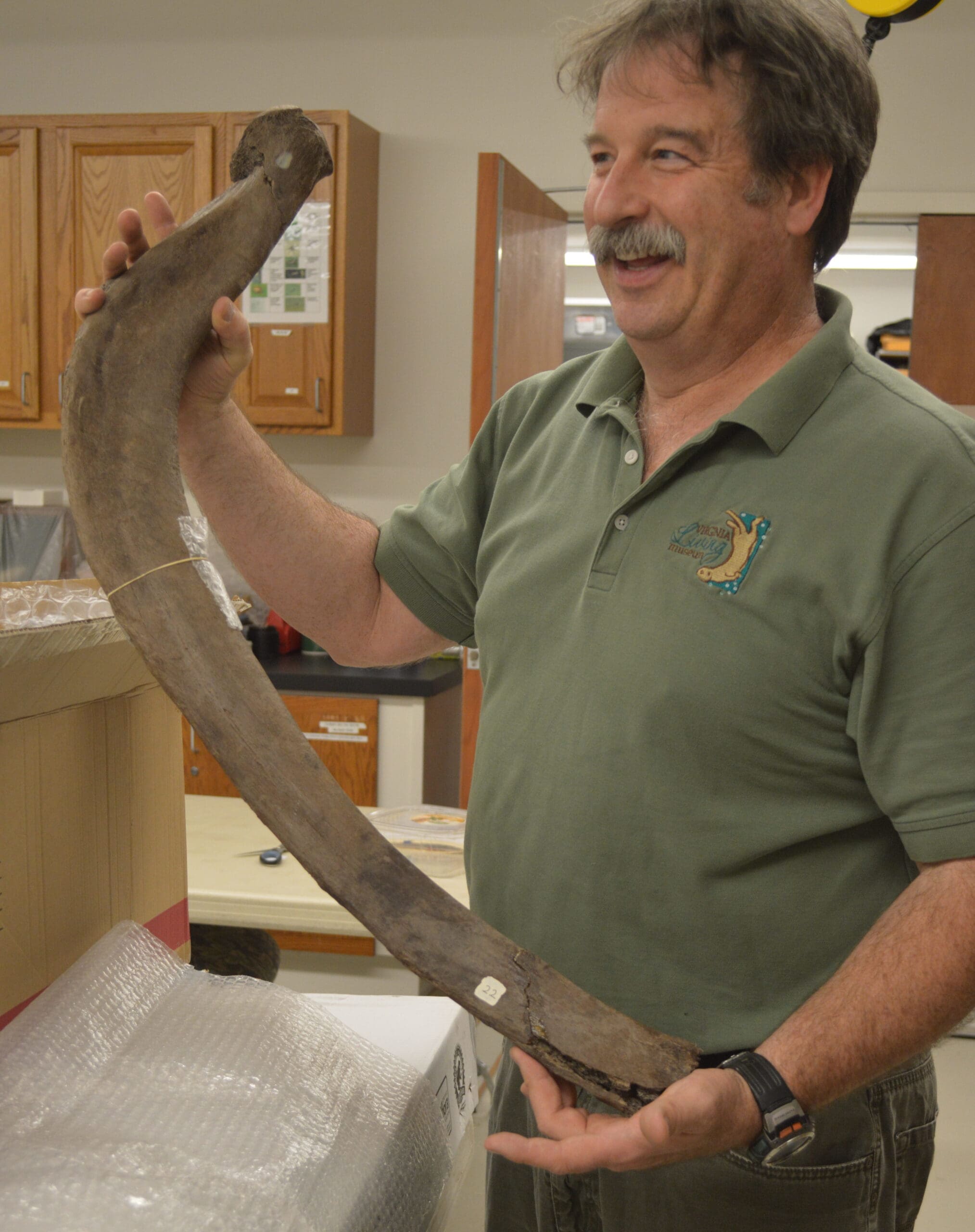
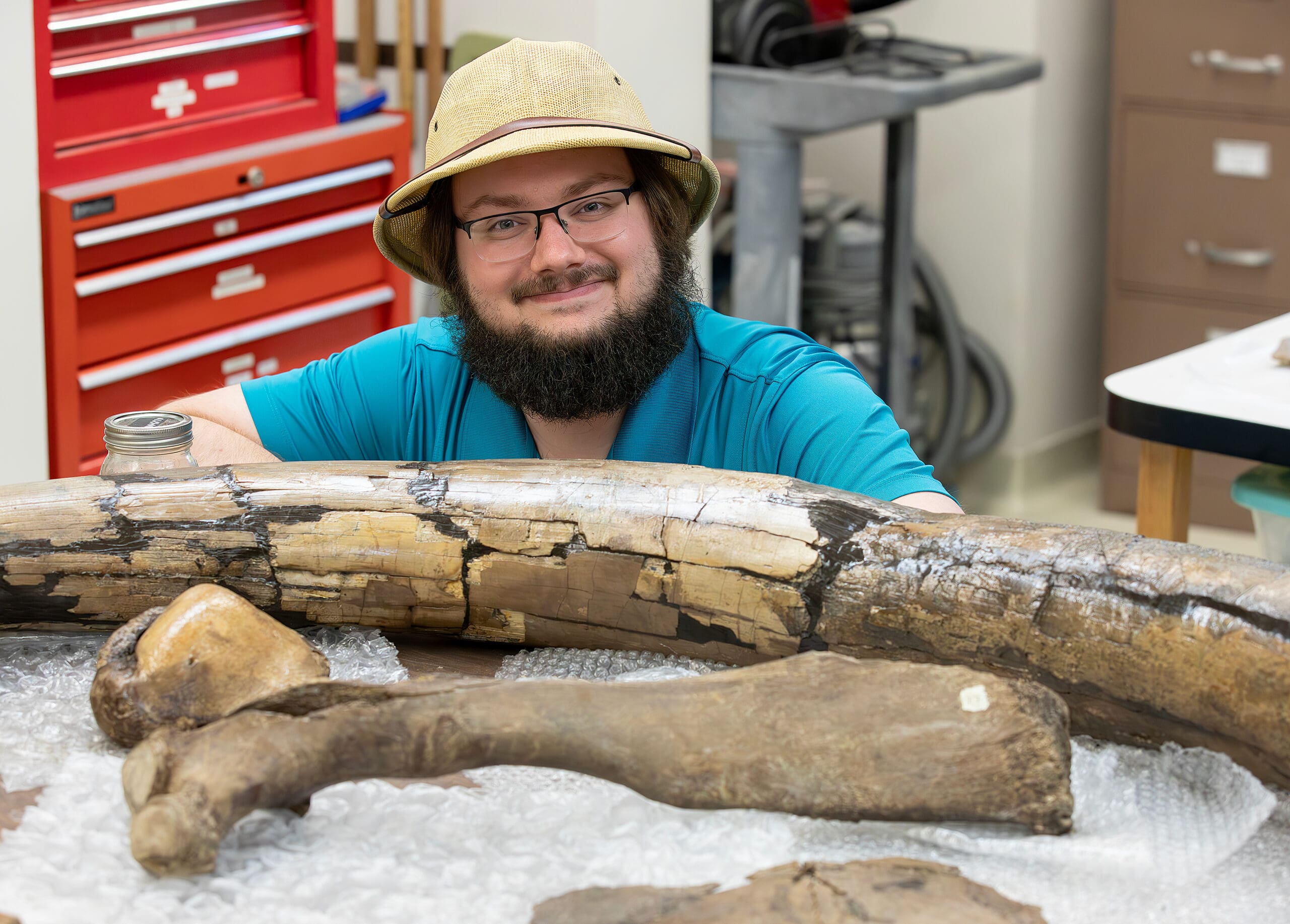
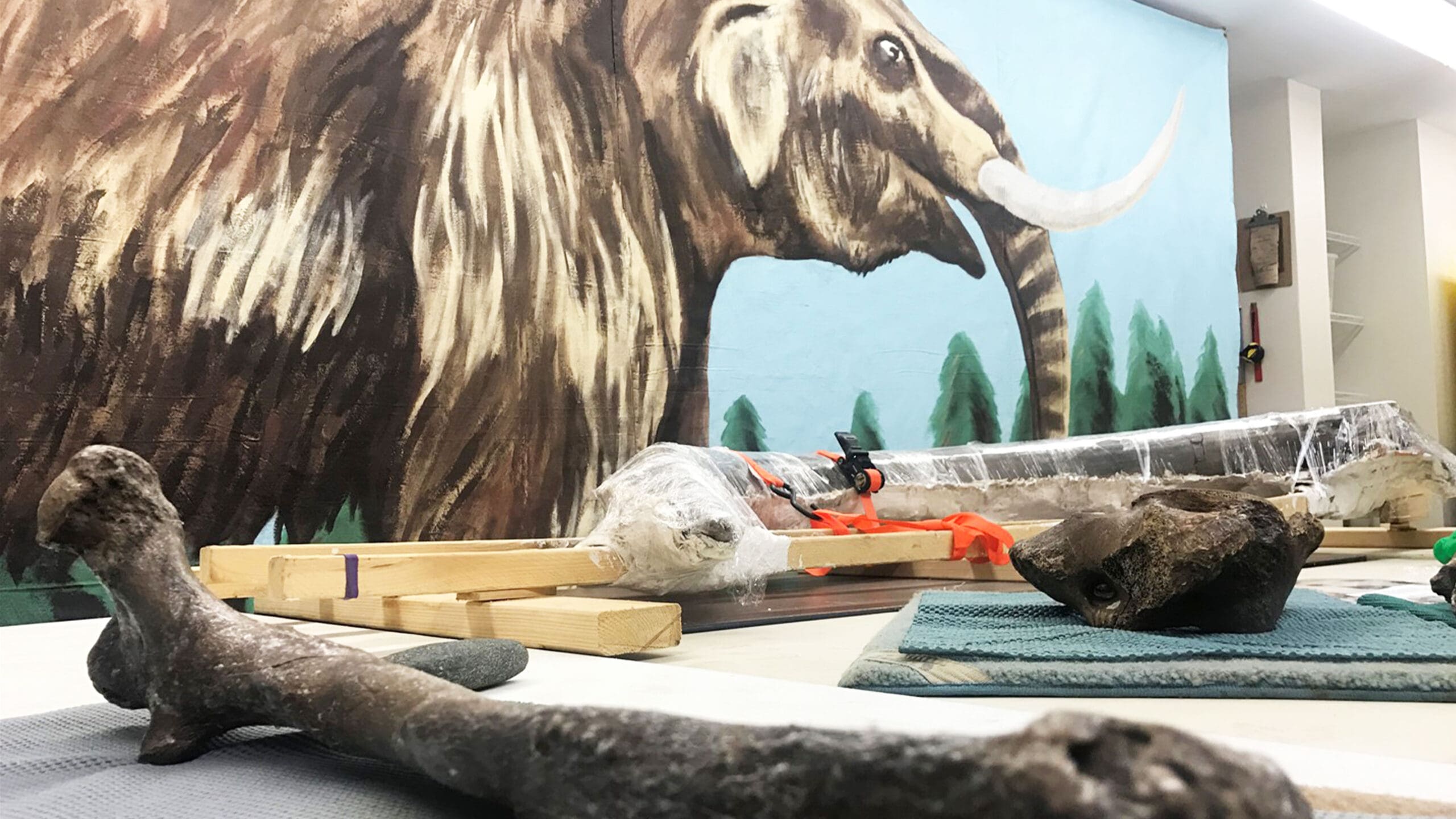
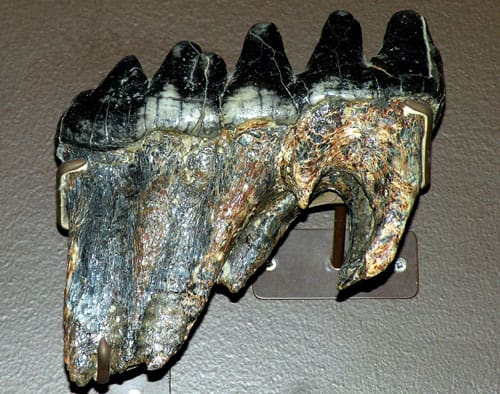
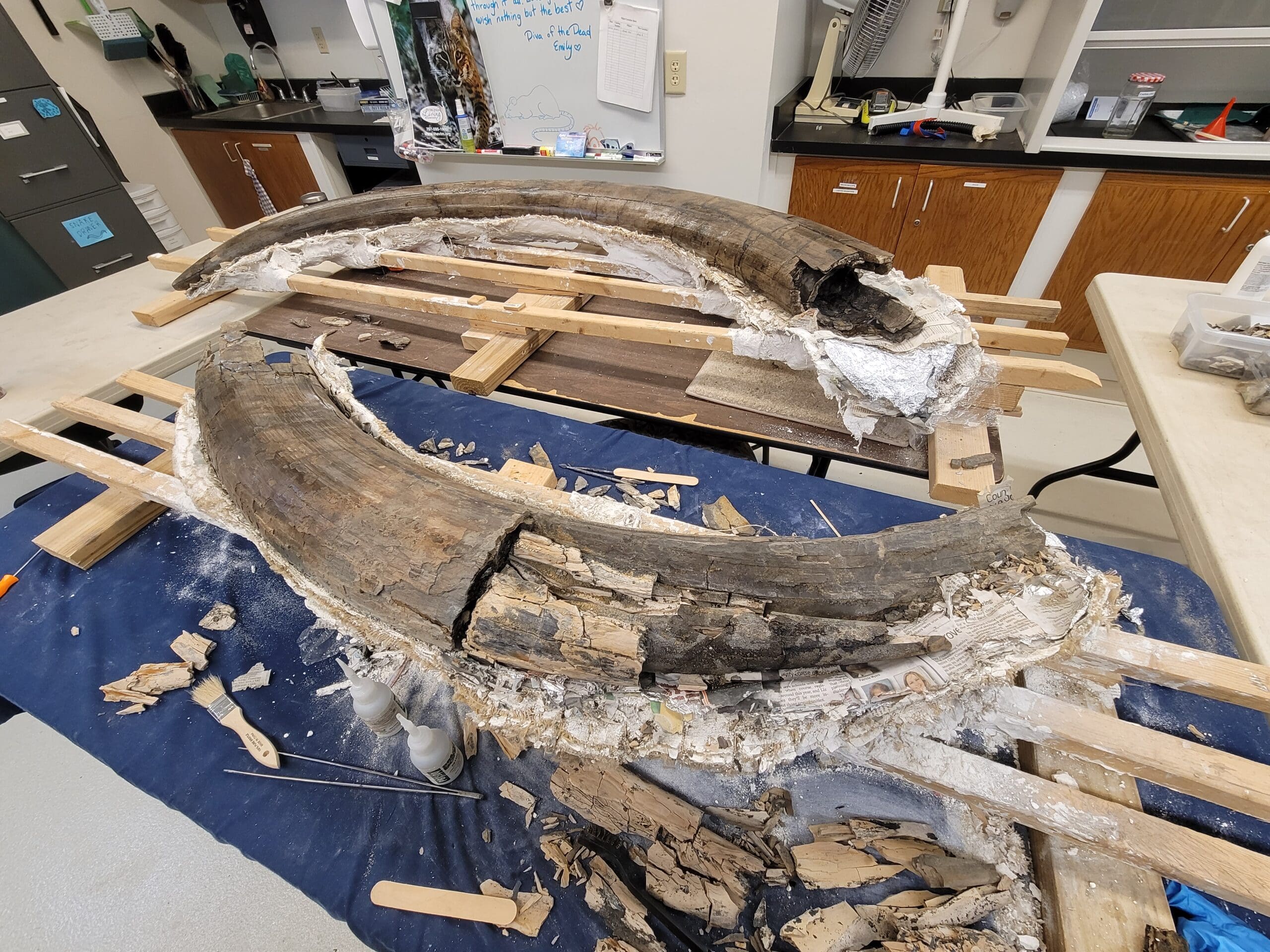
Among the collection’s highlights is the Hart-Fiscella Mastodon, discovered just west of Yorktown in 2017. This Ice Age giant is approximately 15% complete, featuring two full tusks, a humerus, vertebrae, teeth, and ribs. The fossil collection itself includes over 3,300 real and replica specimens across major taxonomic groups.
Specimens range from taxidermied mounts and fluid-preserved animals to pinned insects and plastinated displays. Additional biofacts include pelts, feathers, shells, skulls, and over 1,400 eggs—some dating back to the Victorian era. Notable pieces include an egg from the extinct Passenger Pigeon and more than 3,000 native and non-native bivalve and mollusk shells.
Many items carry important conservation lessons. Biofacts from endangered species—like sea turtle shells, big cat furs, and large mammal tusks—were seized by authorities and now serve to educate about wildlife protection and ethical collecting.
These collections bring Virginia’s natural history to life while teaching biodiversity, conservation, and environmental responsibility.
Collections FAQ
The Virginia Living Museum (VLM) maintains a large collection of non-living specimens used in both our exhibits and our educational programming. Visit our FAQ section to find out more.
Donation Form
Most of these specimens were generously donated by members of the public. The VLM is always looking to fill in gaps in our Non-Live Collections so that we can better help people connect to nature.
Potential Donation Form
Object Identification
Do you have an object that needs identifying? The first step is to contact us with information about the object you wish to donate. Please complete our Potential Donation Form with as much information about the object as possible to determine if the object is a good fit for the Collections.
Meet the Mastodon Preparator
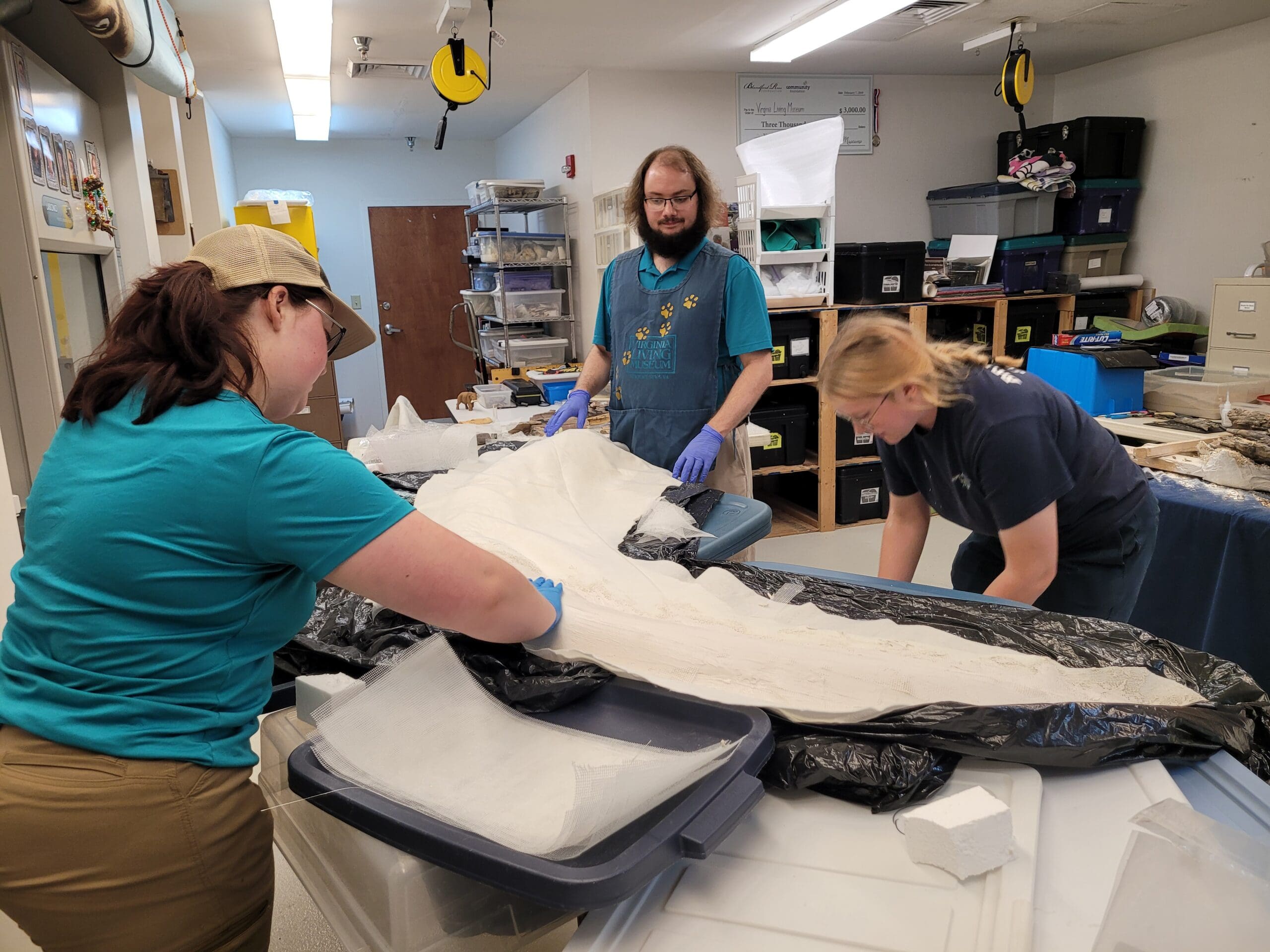
Join us Monday–Friday from 11:30am–12:00pm in the How Life Survives Discovery Center for an up-close look at our mastodon fossil. Meet the Mastodon Preparator and learn how fossils and replicas are prepared for display, explore the differences between mastodons and mammoths, and dive into the ancient Ice Age ecosystem these giants once roamed.
NON-LIVE COLLECTIONS AT THE VLM
The Virginia Living Museum (VLM) maintains a large collection of non-living specimens used in both our exhibits and our educational programming. Most of these specimens were generously donated by members of the public. The VLM is always looking to fill in gaps in our Non-Live Collections so that we can better help people connect to nature.
Interested in donating an object or need something identified?
Object Identification Form
FREQUENTLY ASKED QUESTIONS
What types of objects does the VLM collect?
- Preserved organisms (e.g., taxidermy, pinned insects, fluid-preserved specimens, etc.)
- Rocks, minerals, and other geological materials
- Fossils and fossil replicas
- Skeletal materials and other animal “hard parts” (e.g., shells, teeth, etc.)
- Other animal materials (e.g., furs/pelts, feathers, etc.)
- Plant and fungus materials (e.g., seeds, wood samples, dried mushrooms, etc.)
Please be aware that there are many state and federal regulations for collecting biological and geological materials from the wild. Always check local, state, and federal laws before collecting any natural history materials.
How do I get an object identified?
The first step is to contact us with information about the object you wish to have identified. Please complete our Object Identification Form with as much information about the object as possible.
How do I donate an object?
The first step is to contact us with information about the object you wish to donate. Please complete our Potential Donation Form with as much information about the object as possible. The more information we have about your object, the easier it will be to determine if the object is a good fit for the Collections.
Can I drop off an object or bring it to the VLM immediately?
Due to the lack of available staff and the sensitive nature of certain biological specimens, the VLM is unable to accept unsolicited donations. If you would like to donate an object, please complete our Potential Donation Form. If you would like to have an object identified, please complete our Object Identification Form. In-person appointments with our Collections staff can also be made via e-mail ([email protected]) or phone (757-534-7435).
Which potential donations are accepted? Which are declined?
All potential donations will be evaluated on an individual basis. Factors influencing acceptance or denial of a particular object include (but are not limited to):
- Object’s relevance to the VLM’s Mission
- Object’s ability to be used in educational programming and/or exhibits
- Object’s size
- Object’s physical condition
- Presence of “duplicate” and/or similar objects within the VLM Non-Live Collections
- Ownership history of object
The VLM’s Non-Live Collections focuses primarily on Virginia’s natural history and natural resources but objects from other regions may be potentially considered for donation.
Can I get a tax deduction for my donation?
All object donations to the VLM’s Non-Live Collections are tax deductible. Consult with a tax specialist to determine eligibility. An appraisal of the donated object may be required to receive a tax deduction. Due to IRS views on conflict of interest, the VLM cannot appraise or evaluate donated objects for tax claim purposes.
Does the VLM appraise objects?
The VLM is unable to appraise or evaluate any object, not just donated objects.
Will my donated object be on exhibit?
Depending on the object, yes! The VLM is always creating new exhibits and updating current ones. If a donated object is a good fit for an exhibit and can be displayed safely, there is a chance it could be placed on exhibit.
Will my donated object be used in educational programming?
Depending on the object, yes! The VLM is always working to improve our educational programming by creating new programs and refreshing current ones. If a donated object is a good fit for the subject matter of a program and can be utilized safely, there is a chance it could be used in an educational program.
Are objects not on exhibit accessible to the public?
Due to the need to provide a secure, controlled storage environment for the Collections, objects housed within the Non-Live Collections spaces are typically not accessible to the public. These objects may be made accessible in the future via inclusion in an exhibit or educational program.
Can my donated object be returned?
Objects formally accessioned into the Collections cannot be returned to the donor or their descendants. As part of the donation process, donors are required to sign a Deed of Gift which legally transfers ownership of the object to the VLM.
Does the VLM ever buy objects for the Collections?
Any objects purchased for the Collections are purchased from reputable scientific supply companies. Objects are only purchased from members of the public in exceptional cases.
Does the VLM accept loans?
The VLM typically only accepts temporary loans from established scientific institutions or educational facilities.
If you have any additional questions or would like to schedule an in-person appointment, please contact:
VLM Non-Live Collections Department
E-mail: [email protected]
Alec Zaborniak
Non-Live Collections Manager
Phone (direct): 757-534-7435
Phone: 757-595-1900 (ext. 202)
E-mail: [email protected]
Meet Our Collections Fellows
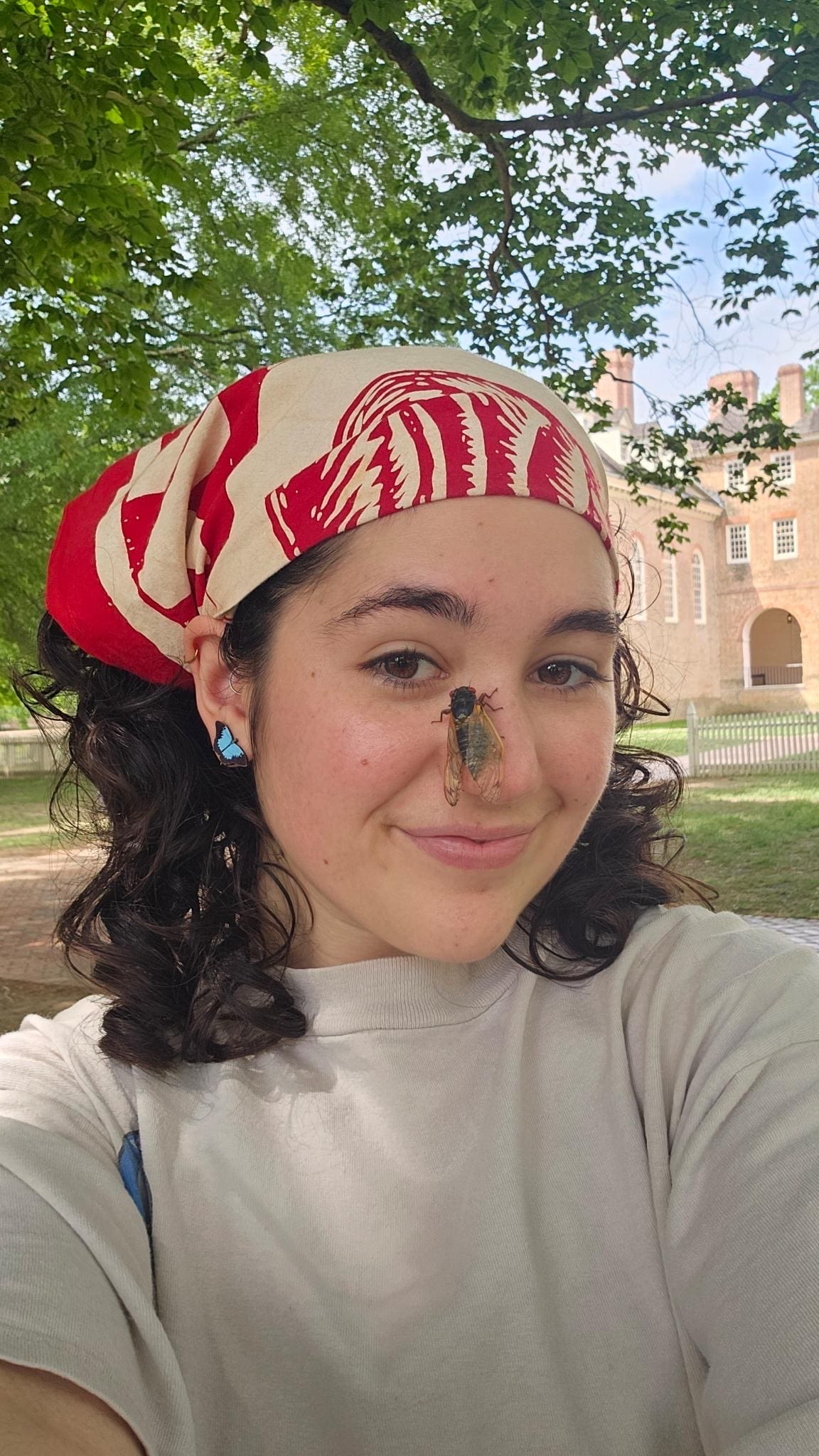
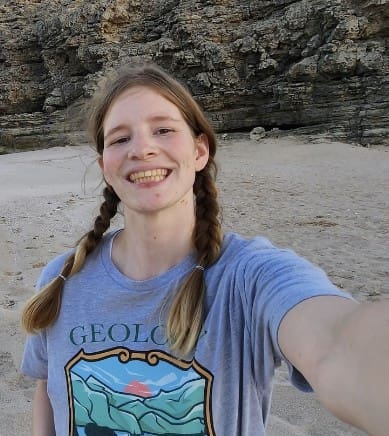
Cameron Morris, a William & Mary Biology graduate and Xanadu Biondi, a William & Mary Geology and Philosophy graduate have joined the Virginia Living Museum’s collections team as graduate Fellows.
Cameron Morris is a dedicated biology graduate from William & Mary with a strong focus on conservation and pollinator research. Through her undergraduate research, she explored the specialized relationship between native bumblebees and milkweed. Cameron has also contributed to entomology and agroecology projects at The Land Institute, curated fossils at the Mace Brown Museum, and brings hands-on experience as a seasonal beekeeper and equine educator.
Xanadu Biondi is a passionate geology and philosophy graduate from William & Mary with extensive hands-on experience in fossil extraction, specimen conservation, and paleontological research. Her work spans field digs in Wyoming, mastodon and whale fossil preparation, and curating mollusk collections from the Yorktown Formation. She has presented her research at major scientific conferences including the North American Paleontological Convention and the Southeastern GSA, and is committed to public science education through outreach and teaching initiatives. With a meticulous approach to fossil handling and a strong foundation in both field and lab work, Xanadu exemplifies scientific curiosity and dedication.