What to Do When You See a Snake, Turtle, or Frog in Virginia
It’s a warm summer day at the park in Hampton Roads. You’re walking your dog across a natural stone bridge when suddenly your dog starts tugging on the leash. In front of you lies a large Black Rat Snake! It slithers away over the embankment, never to be seen again.
Have you ever had a similar experience? At the height of summer, Virginia’s reptiles and amphibians—also known as herps—are out and about, looking for food, a mate, or a sunny rock to bask on. And sometimes, they turn up right in our own backyards: on the porch, under a car, in a tree, or even in the pool.
Knowing how to respond helps keep both you and the animal safe.
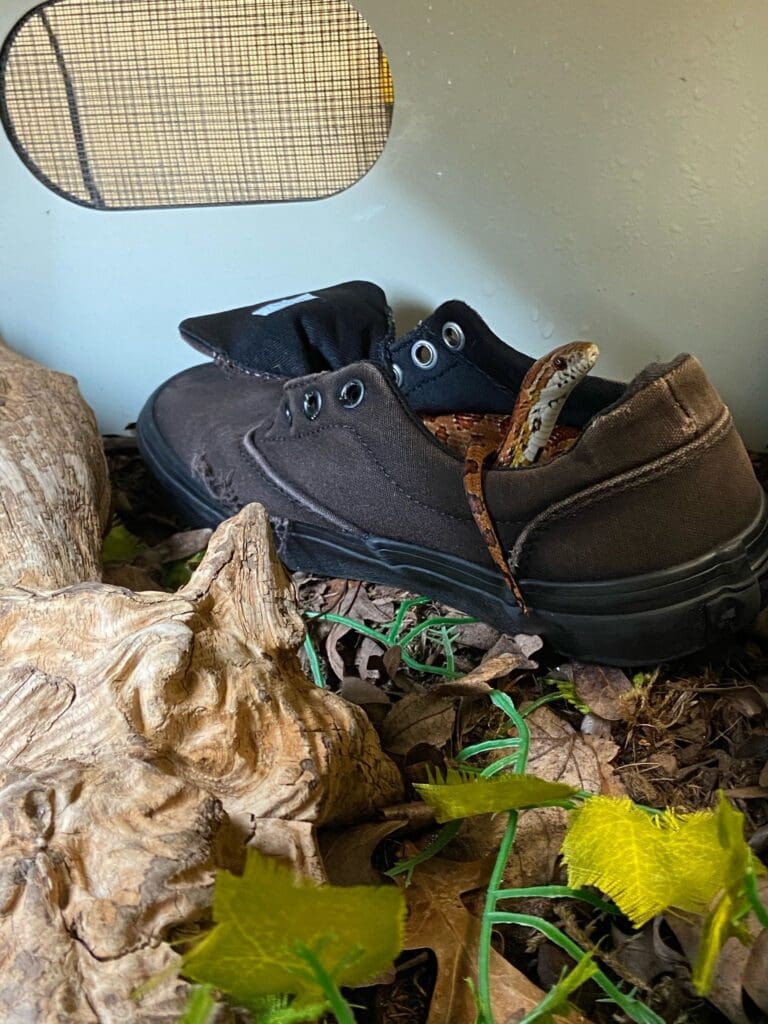
Sometimes wildlife shows up in least-expected places!
Spotting a Snake, Turtle, or Frog? First, Ask This Question
When you first come across a Herp, be it a snake, lizard, turtle, frog or salamander, you will want to ask yourself: Do I have to interact with them?
For most people, the answer is no! Generally, these animals are much more scared of us than we are of them. From their perspective, we are HUGE predators that want to eat them! Their first thought is to watch us carefully and be ready to bolt at a moment’s notice. But just as they watch us, the best way to observe nature is from a distance! Try to get a picture if you can, but if you don’t need to pick up an animal, it is best that you don’t. Even the youngest turtle or snake is well equipped with the instincts needed to survive. There’s really no reason to move them unless they are in an unsafe place.
Now let’s say, you see a turtle crossing the road, a snake on the playground, or a frog in the pool. In the situation you must handle the animal, approach it low and slow, but move confidently. Hesitation can make things scarier for everyone. Here are some more helpful tips on what to do if you spot one of these scaly or slimy friends in your space:
Safely Helping Turtles Cross the Road
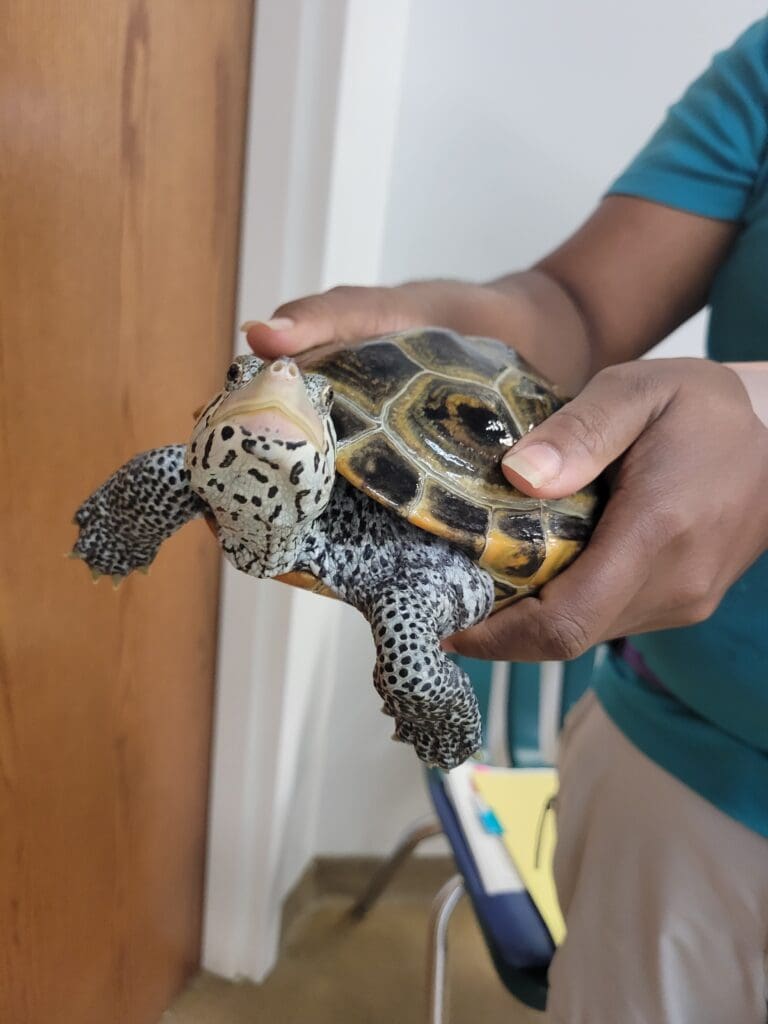
Turtles: Grip the sides of the turtle with both hands, holding them like a hamburger. Many turtles have sharp claws or a long neck to reach with. Hold the turtle away from you, moving it towards its destination, be it across the road, through your yard or any other high traffic areas. Try to minimize the time it takes to transport the turtle and always wash your hands thoroughly once you are done.
How to Move a Snapping Turtle Without Getting Bitten
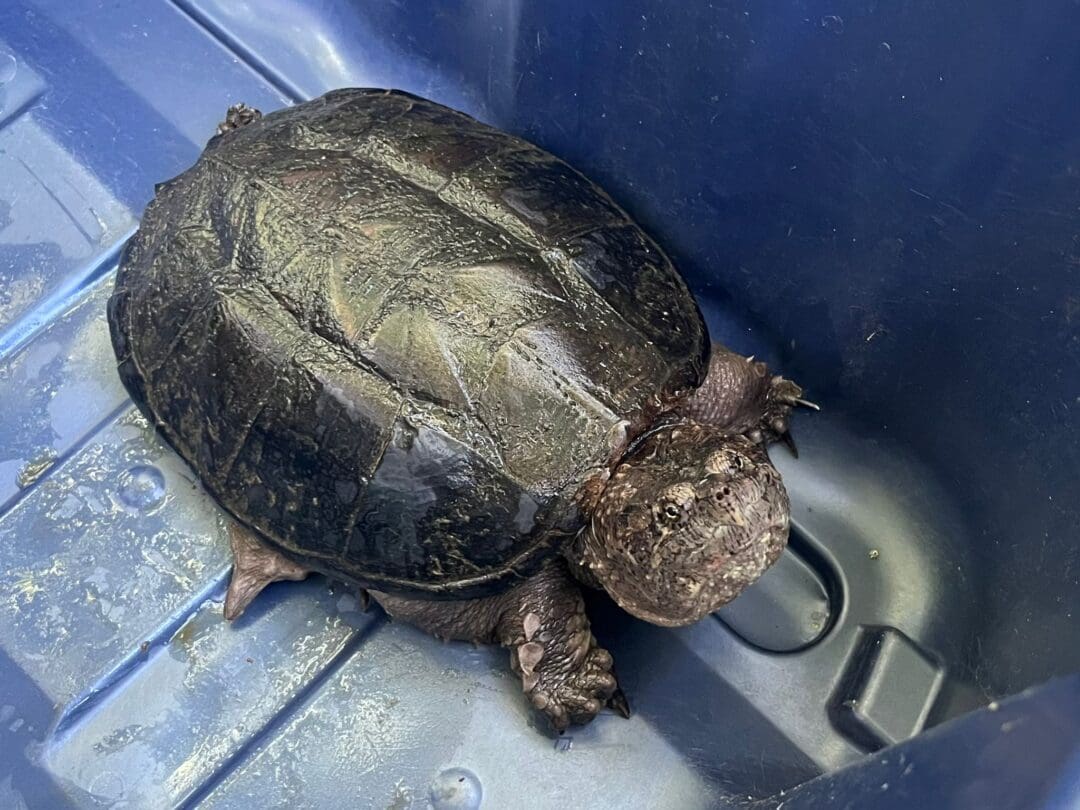
Snapping Turtles: Snapping turtles get their name from their very powerful bite. Many will turn to face their aggressor head on, since they are very slow and can’t pull completely into their shell like other turtles. Common Snapping turtles should be held from the back, firmly grasping their carapace (the top shell) near the hind legs. They are very heavy, so limit the distance an animal will need to be moved. If you can avoid handling them, please do! Another effective way to move them is by pulling them out of the way in a plastic bin, on the floor mat of your car, or a piece of cardboard.
What to Do if You Find a Snake in Your Yard
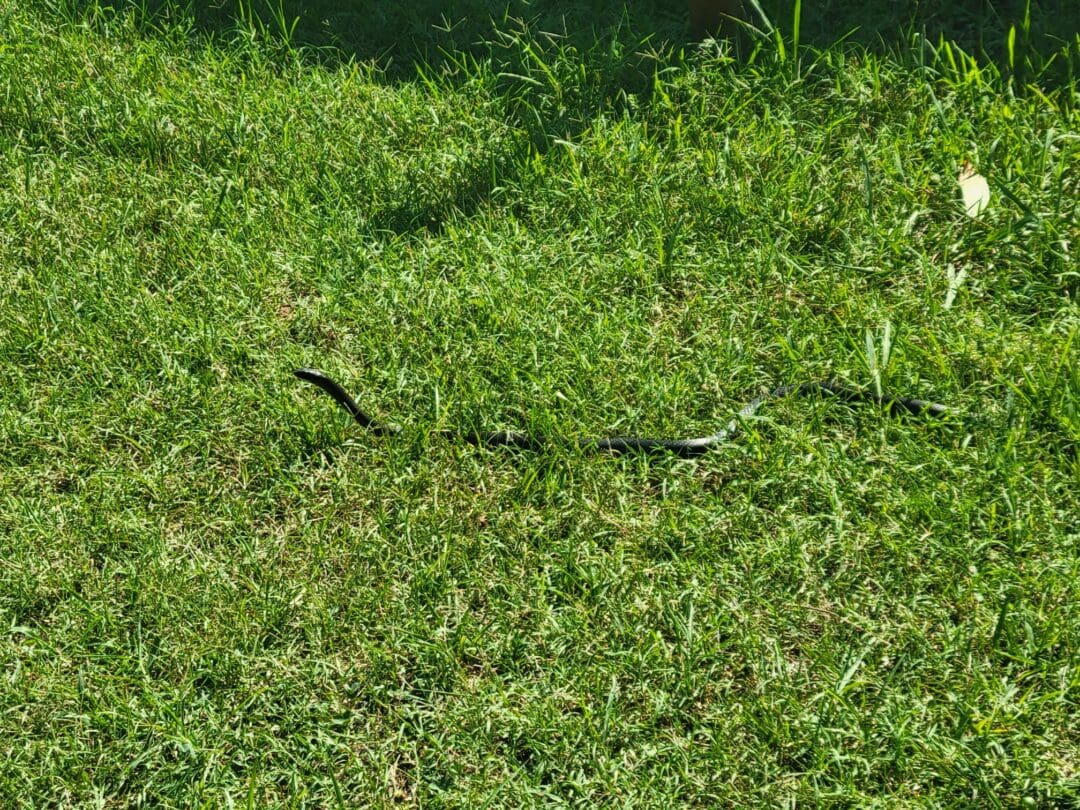
In Virginia, snakes often appear where rodents or birds are plentiful—sometimes right in our own yards. A snake can be nudged away gently with a long stick or broom. You can also very slowly and calmly pick up a snake if needed. You can gently lift the snake by the tail and use a stick to support the body away from you, out of striking distance. Note: you should never pick up a venomous snake! There are 3 species of venomous snakes in VA: Timber/Canebrake Rattlesnakes, Copperheads, and Cottonmouths. If you are unsure, keeping your distance and walking away is your best bet!
Removing Lizards from Your Home Safely
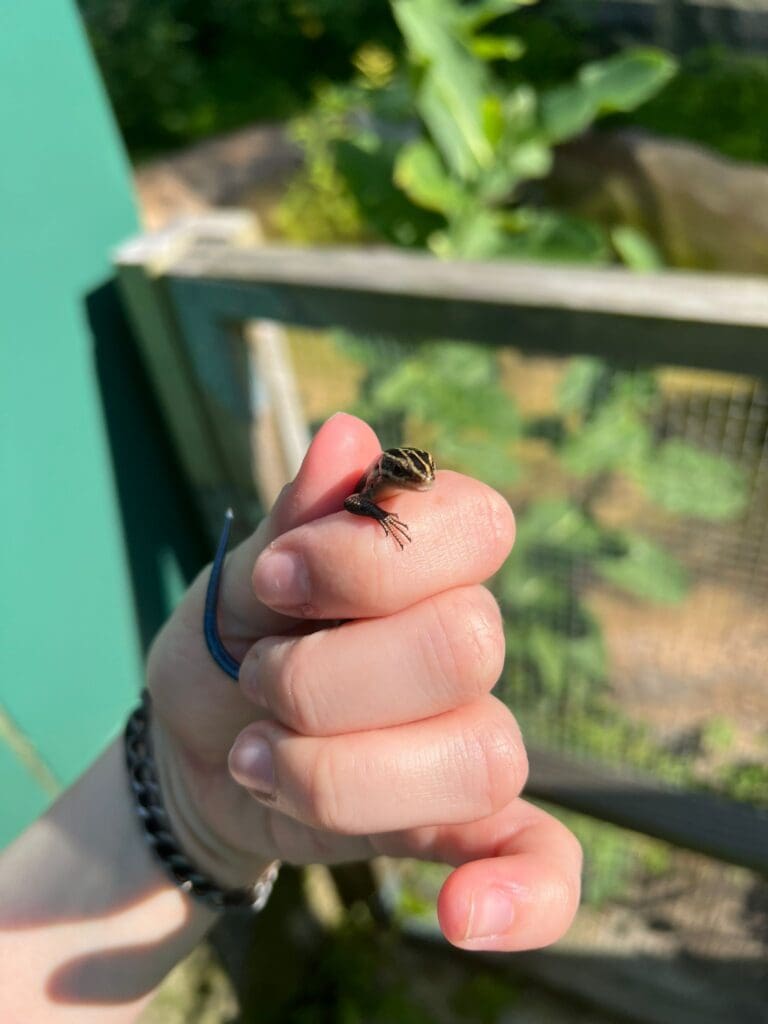
Many local species of lizards are very small and quick. It’s best to not try to catch these lizards by hand because they can drop their tails as a defense mechanism. If you need to remove a lizard that has mistakenly entered your home, it’s best to use a cardboard box or bucket and corral the lizard along a wall and into the vessel.
Handling Frogs and Salamanders Without Harming Them
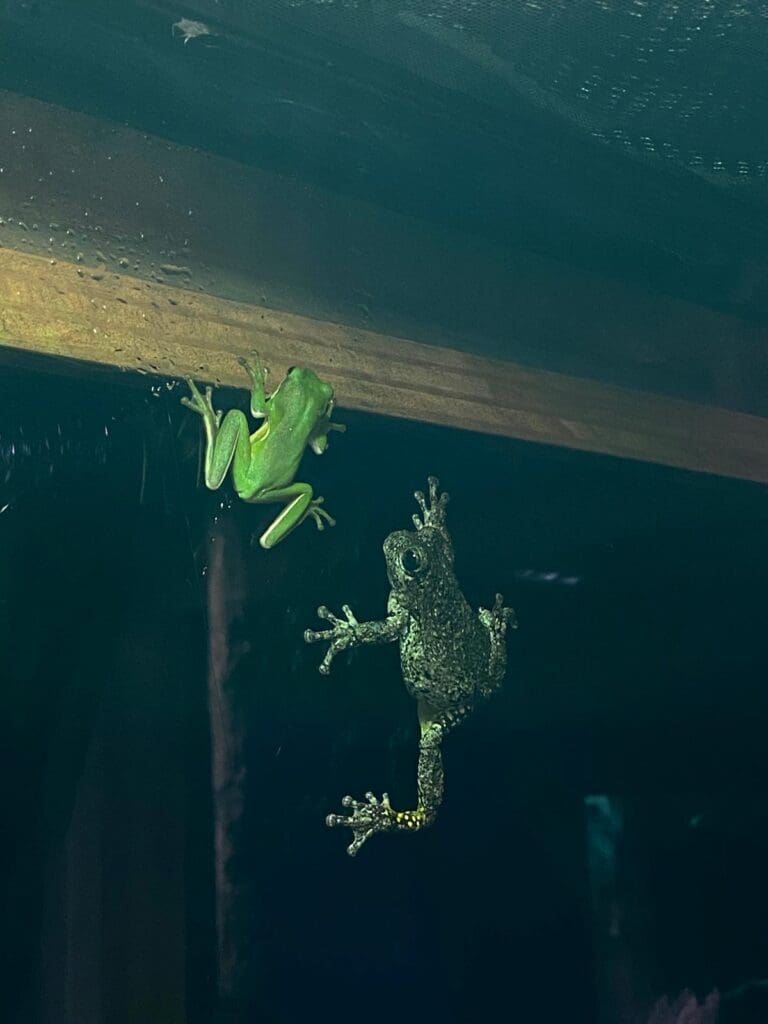
Frogs and salamanders may seem easy to pick up but they can be very slippery and jumpy!. Humans also have oils on their hands that can hurt these amphibians unintentionally, so it is best to wear gloves, use a barrier such as a damp towel, or limit contact time. You can also use a bucket or a small net to catch them and relocate them out of your space. Also, watch out for treefrogs on your windows and doors! These sticky friends love to sit in tight places and often get stuck between panels.
When to Call Wildlife Control or a Rehabilitator
It is also possible to contact your local city or county animal control or wildlife relocation service. They will have the ability to capture and relocate the animal if they are on your property. Be aware, however, that response time varies and it is common for an animal to move on by the time assistance arrives. It is also illegal to move an animal so you may not want to move that turtle or snake into your neighbor’s yard.
And there you go! Many of these animals are best viewed from a distance but sometimes they might need a little help from imminent danger. So snap a good picture for grandma and let the animal slither, crawl and hop on its merry way!
What if the animal is injured?
Occasionally, you might come across a wild animal in distress—maybe it’s been struck by a car, tangled in lawn equipment, or trapped in a pool skimmer. If you believe the animal is injured, it may need help from a licensed wildlife rehabilitator.
Check for Signs of Injury
An injured animal may:
Have an obvious wound or bleeding
Be unable to move itself out of harm’s way
Appear unusually lethargic or unresponsive
If you notice any of these signs, it’s time to step in.
Prepare a Safe Transport Container
Choose a secure container the animal can’t escape from, such as:
A shoebox with small air holes, taped shut
A ventilated plastic container with a secure lid
Do not feed or give water to the animal—this can cause more harm than good and may make treatment harder for the rehabilitator.
Who to Contact in Hampton Roads
Wildlife Response, Inc. – Call 757-543-7000 and leave a message with the animal’s details and location.
Your local animal control, zoo, or animal shelter may also have resources or referrals.
Transportation Tips
If possible, offer to drive the animal to the rehabilitator or meet them partway. Many rehabbers work on a volunteer basis and have limited transportation help. Depending on location, urgency, and the animal’s condition, you may be asked to bring it in yourself.
Know the Laws
Local regulations may vary about keeping or holding wild animals without a permit, so contact a professional quickly.
Be a Nature Steward in Virginia
Most of the time, reptiles and amphibians are best admired from a distance. But when they need a little help, these simple steps can keep both you and the animal safe.
Want to learn more about Virginia’s native wildlife? Visit us at the Virginia Living Museum in Newport News to meet turtles, snakes, frogs, and other fascinating animals up close. Together, we can protect and appreciate our wild neighbors.
Written by Taylor Littleton, Senior Herpetology Keeper.