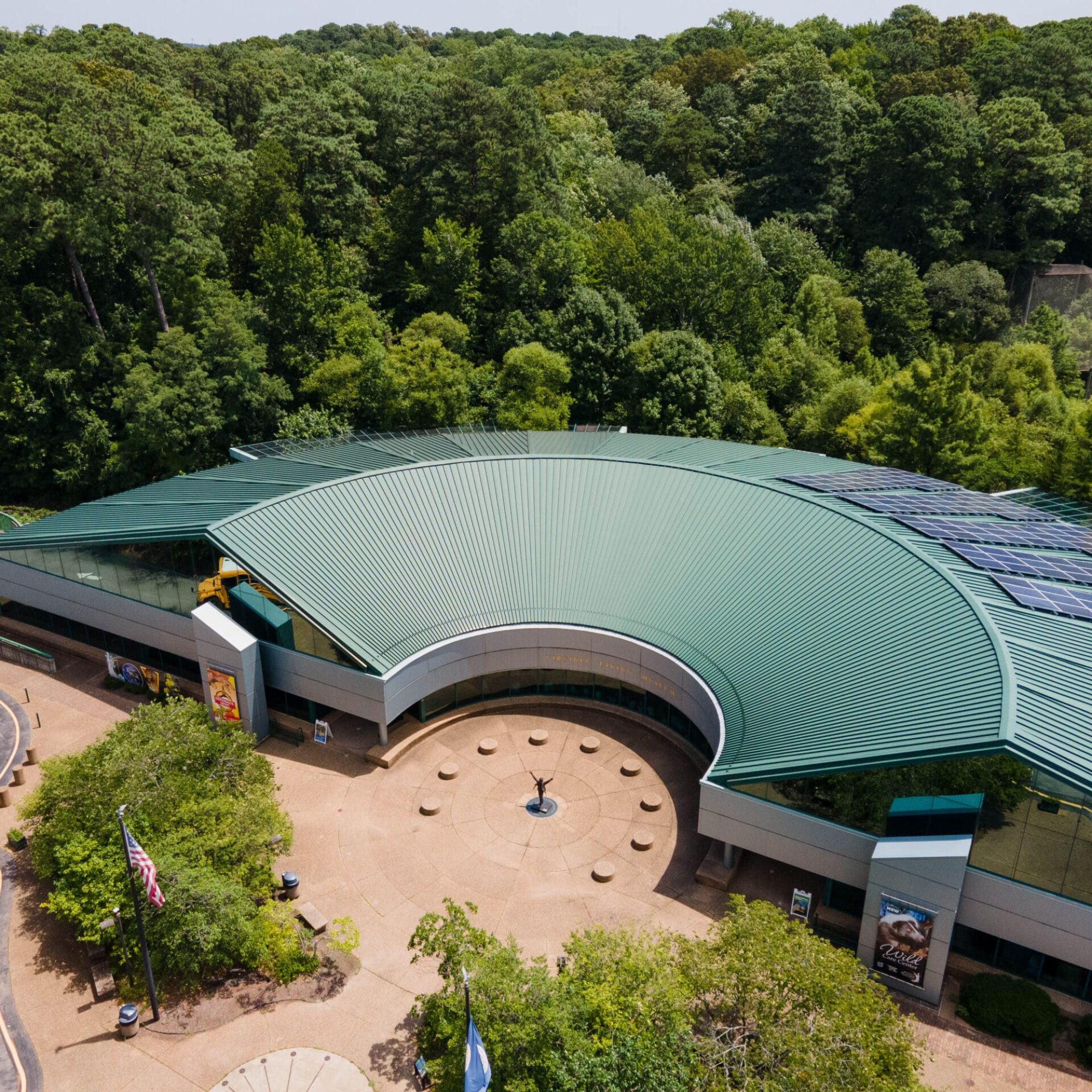
At the Virginia Living Museum, enrichment is as important to us as it is to our animals. This process provides animals with the natural experiences essential to their mental and physical well-being, while keeping them safe in our care. If you’ve ever wondered what it takes to keep wild animals happy in the domestic world, enjoy this behind-the-scenes look at how the museum plans and provides enrichment.
What is Enrichment
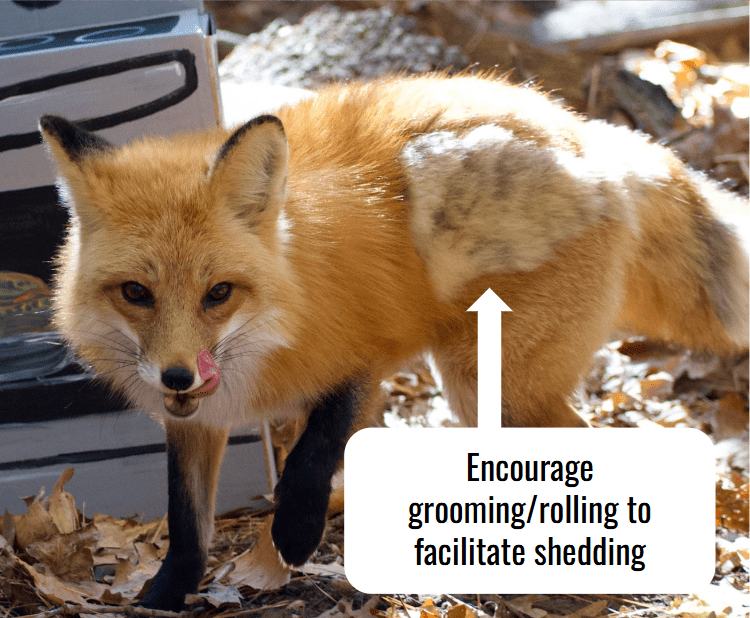
Enrichment uses interactive items, activities, and other routine changes to encourage natural behaviors and give animals a unique day. While some behaviors are still relevant in domestic care, such as a bird preening (cleaning and grooming) themself, even behaviors that seem obsolete in an enclosure, such as a bobcat marking their territory with urine, are still essential to the mental health of our animals.
An animal that’s given no reason to perform its natural behaviors may become understimulated and display stereotypic behaviors. Stereotypic behaviors refer to actions that are functionless, repetitive, and even destructive, such as excessive pacing, regurgitation, or overgrooming. The animal becomes so desperate for stimulation that they provide it themselves, no matter the cost to their health.
All animals in human care require enrichment. For your pet, this is when you play, pet, and walk them; even a trip to your vet can be enrichment. Farm animals need enrichment as well; not only is it ethical, but a healthier animal means a better product.
Types of Enrichment
We provide many forms of enrichment at the museum; categorizing them helps ensure the animals receive a consistent variety. For example, with sensory enrichment, we utilize one of the animal’s senses, such as providing the smell of another animal. Another example is environmental enrichment, in which we change the animal’s surroundings, taking them somewhere new or rearranging their furniture. To learn about all the types of enrichment at the museum, with real examples, stay tuned for upcoming blog posts for an in-depth look at our enrichment types!
Picking the Enrichment
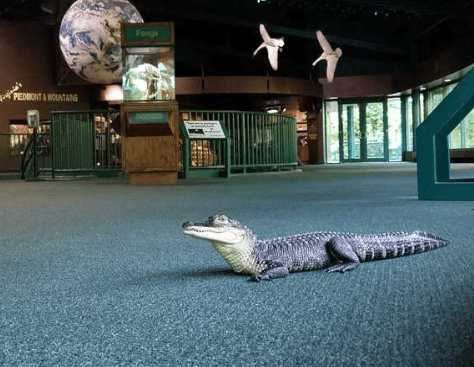
There’s no way to be certain that an enrichment method will be effective, but we can make predictions based on several factors. It’s important to consider both the individual and the species. If an individual is playful, toys are often a good pick. If a species is prey in the wild, encourage hiding; if a species is a predator in the wild, encourage hunting.
We often take advantage of a species’ natural strengths. Animals with a good sense of smell should be given scents, and animals with strong brains should be given puzzles and challenges. If an animal becomes bored with an enrichment activity or item, it is retired from their schedule for weeks or even months until it becomes exciting again.
The most important factor of all when planning enrichment is safety. Examples of things to avoid are: any non-food items that an animal may try to eat, any items or furniture that they could get trapped or stuck in, or any item that could be used to damage or escape their enclosure. This also requires strong knowledge of the individual and species; for example, metal items capable of rusting may poison many of our aquatic animals. Each animal has a list of approved enrichment; any new enrichment is provided only under close watch.
Keep an Eye out for Enrichment in the Museum!
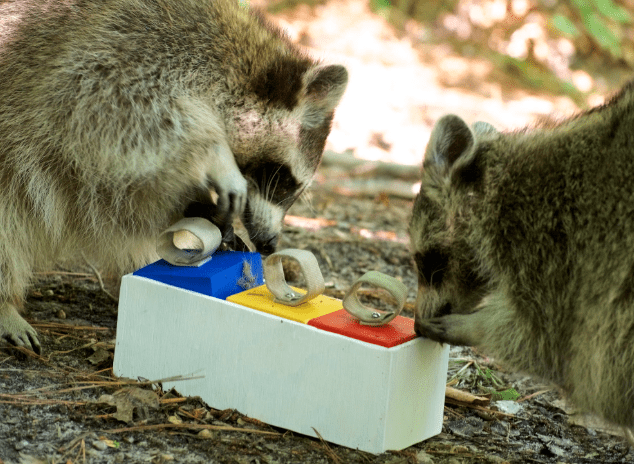
Next time you’re at the living museum, be sure to keep an eye out for items such as boxes and PVC pipes in the enclosures, and see if you can guess what behavior they may be encouraging. Stay tuned to the blog to learn more about enrichment, including an extensive list of our enrichment types. In the meantime, check out this post for more examples of enrichment in action at our museum.