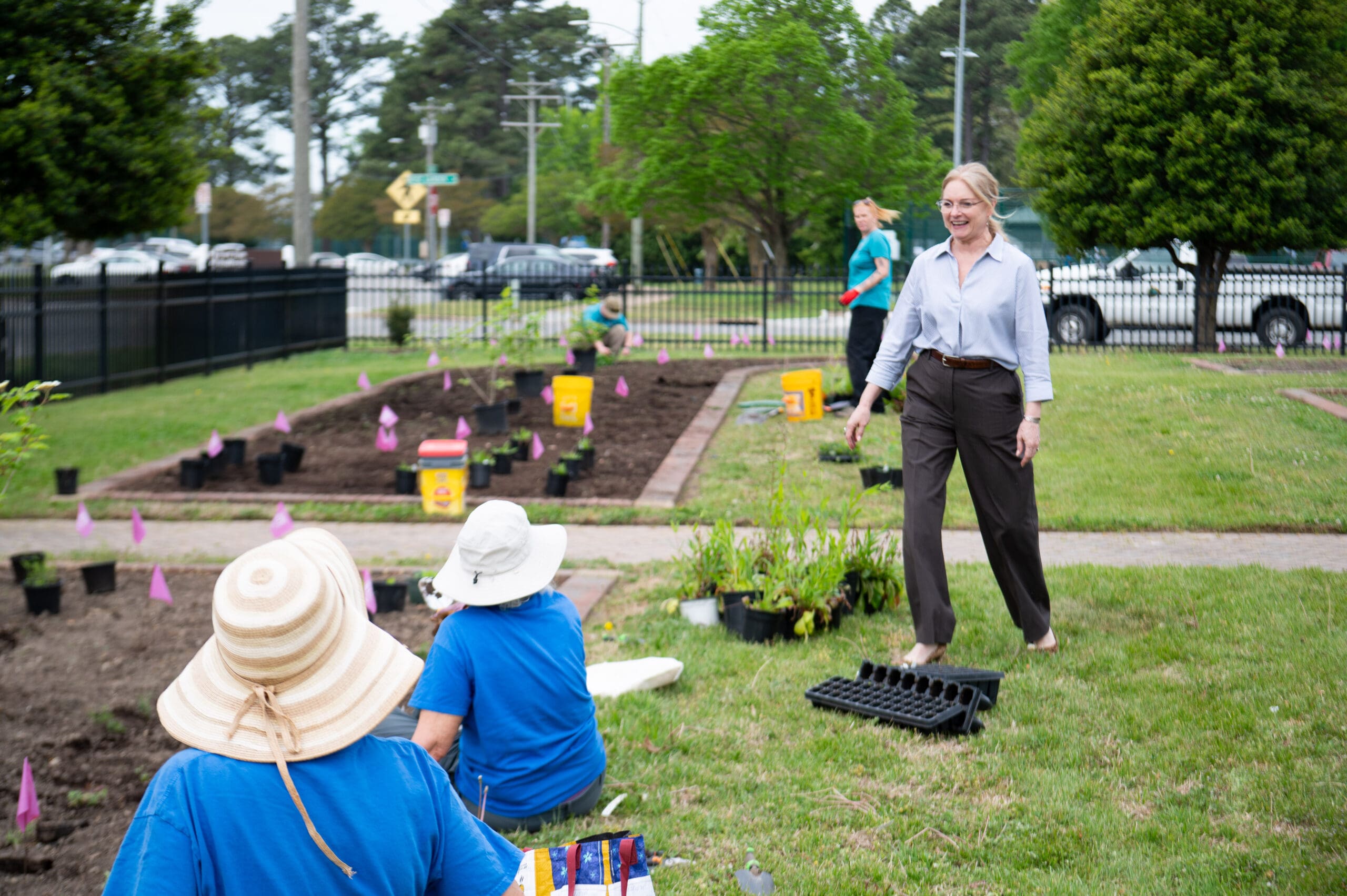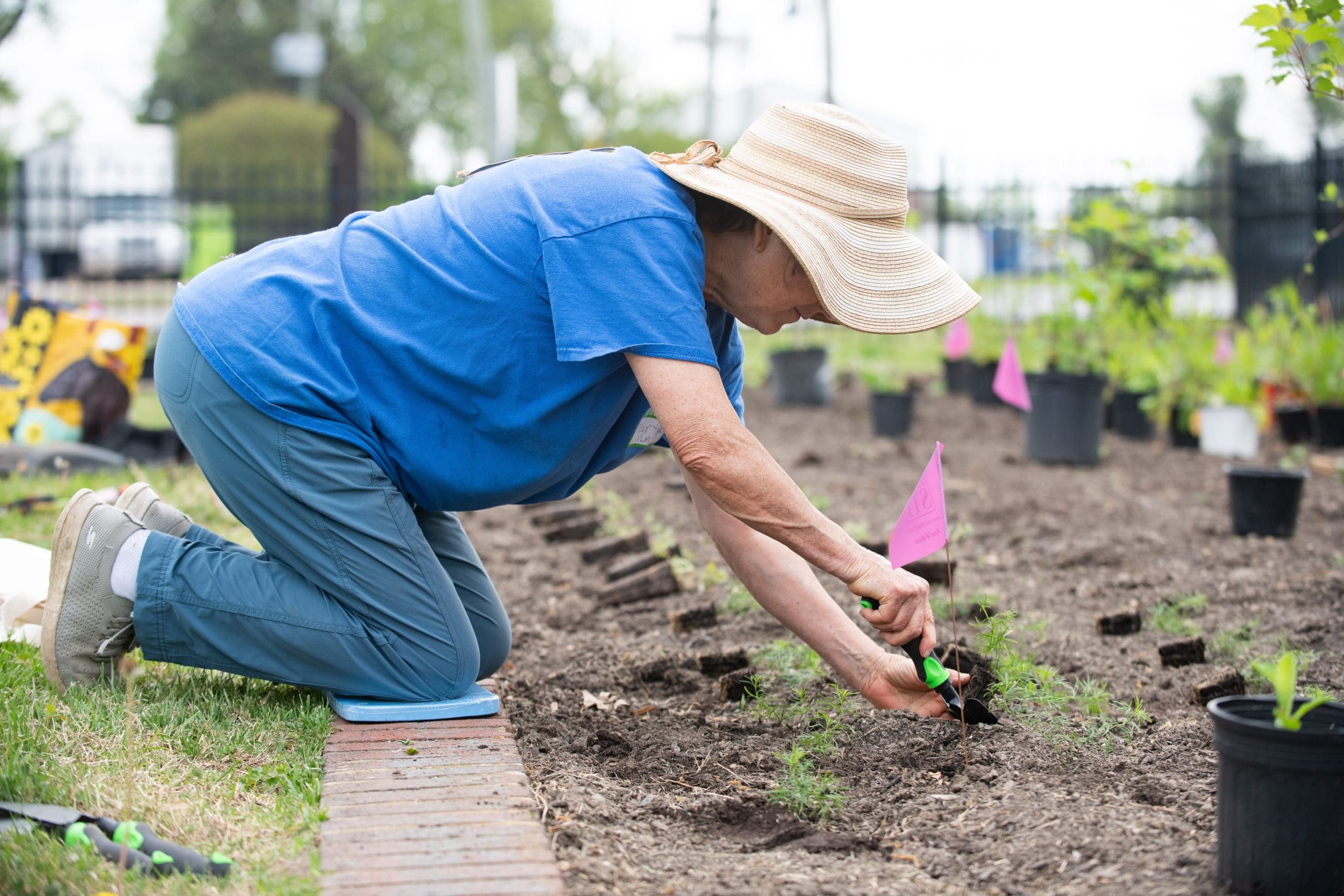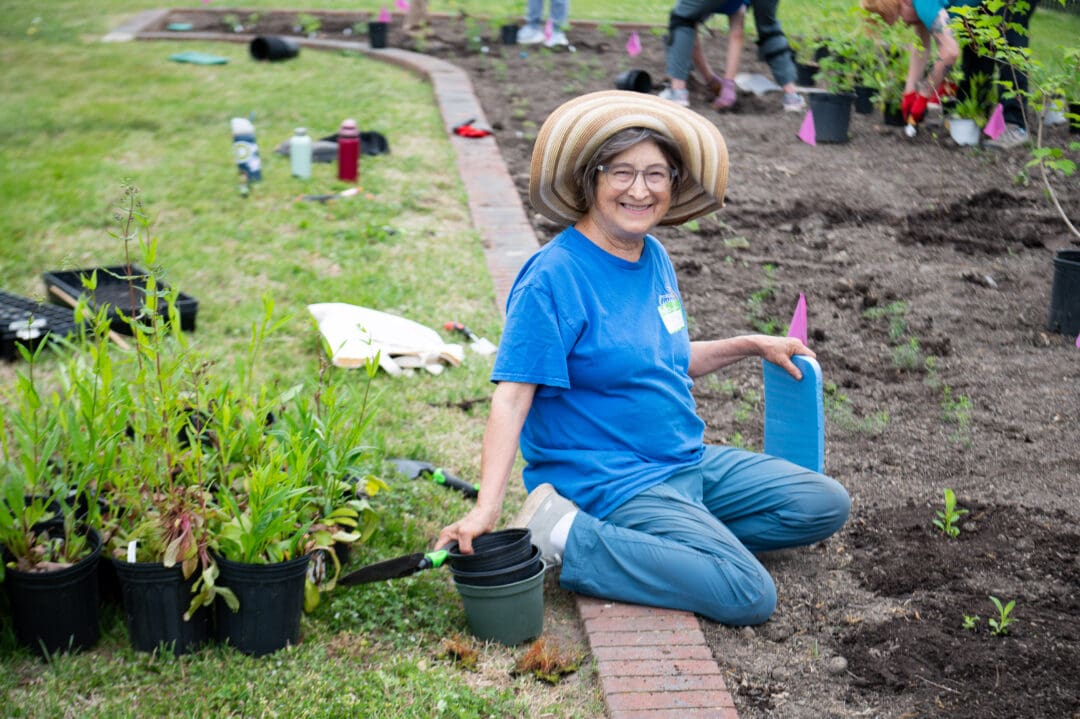
On a warm spring morning, something small, yet meaningful, began to take root in Newport News.
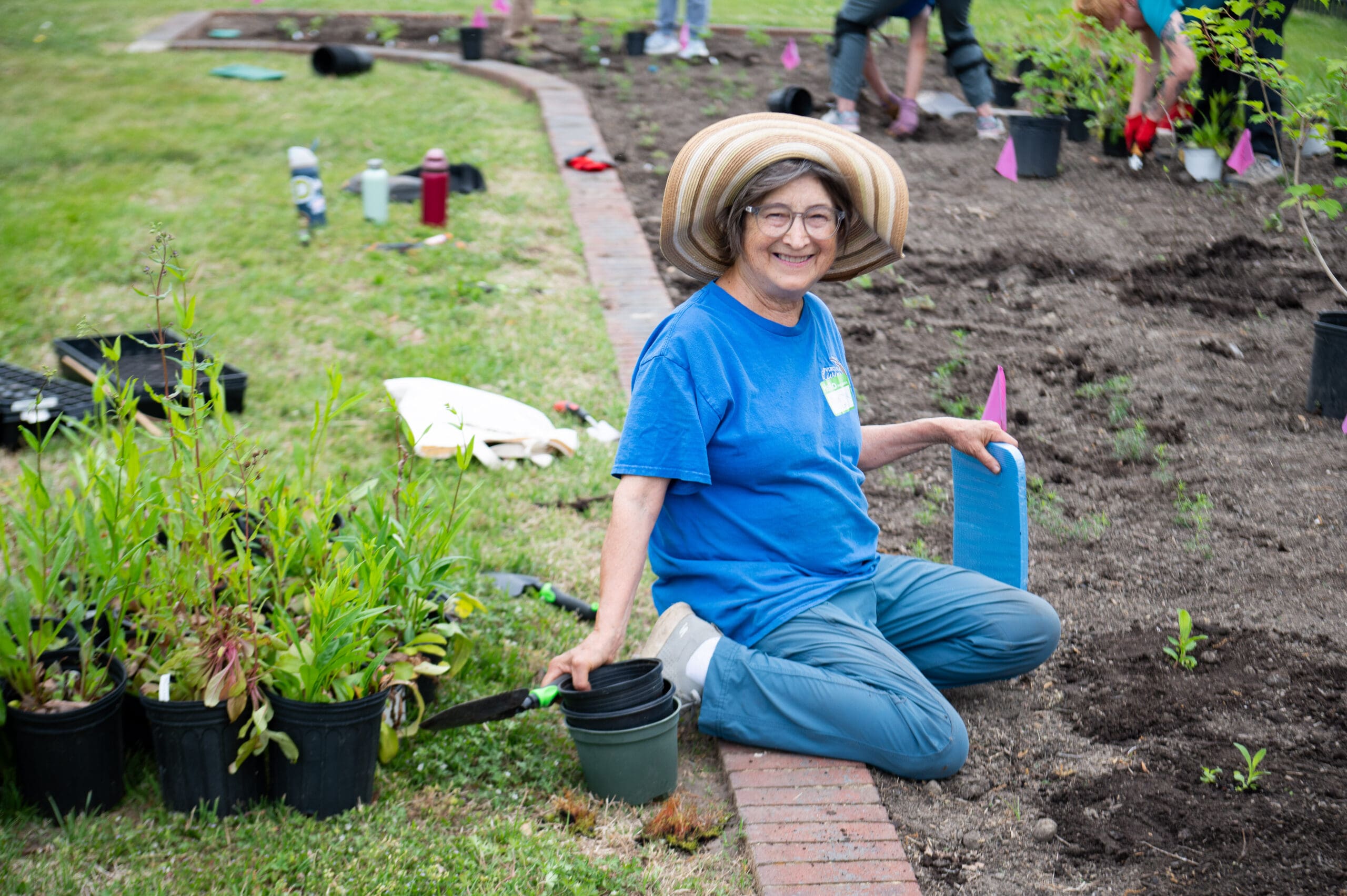
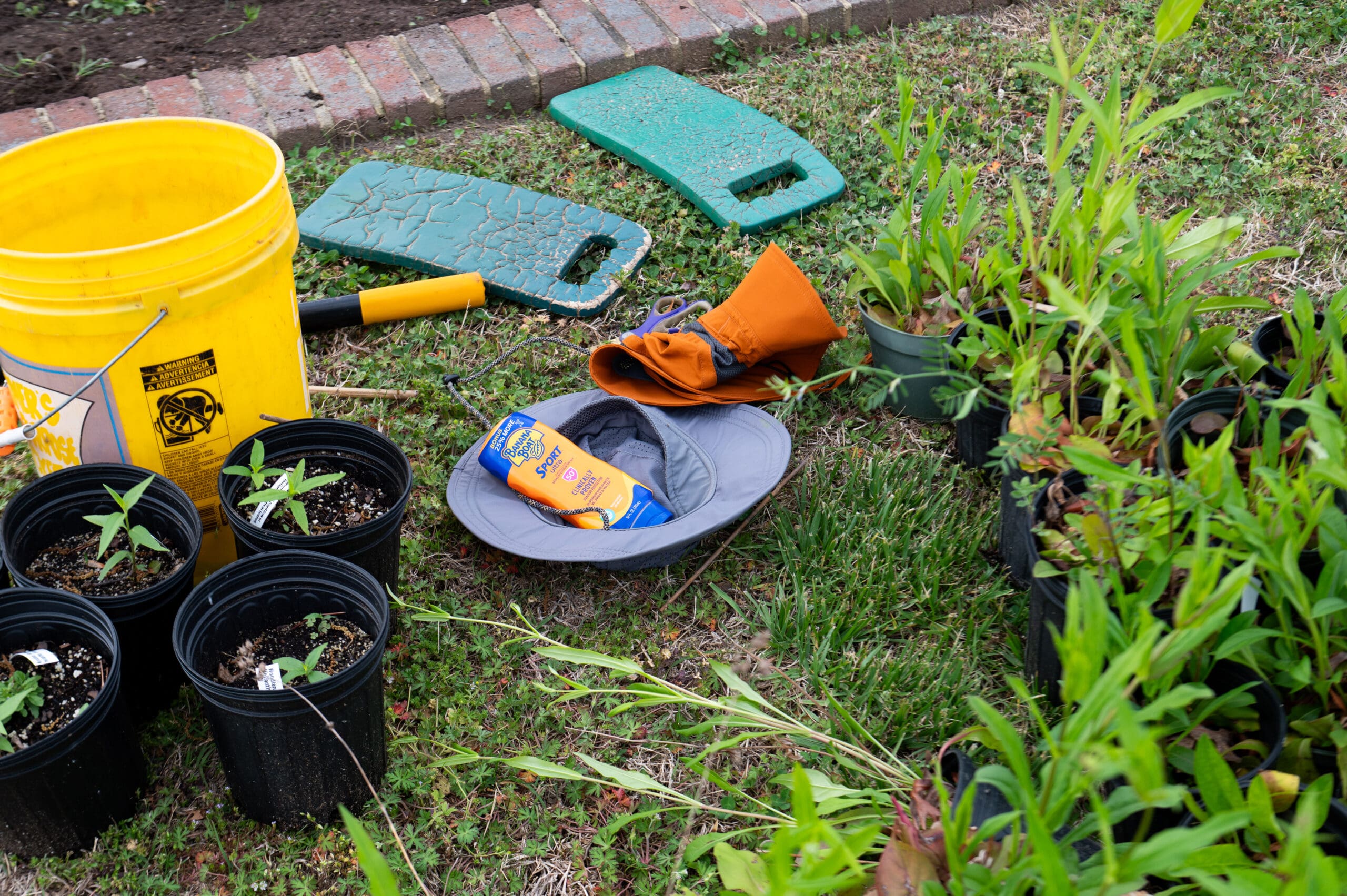
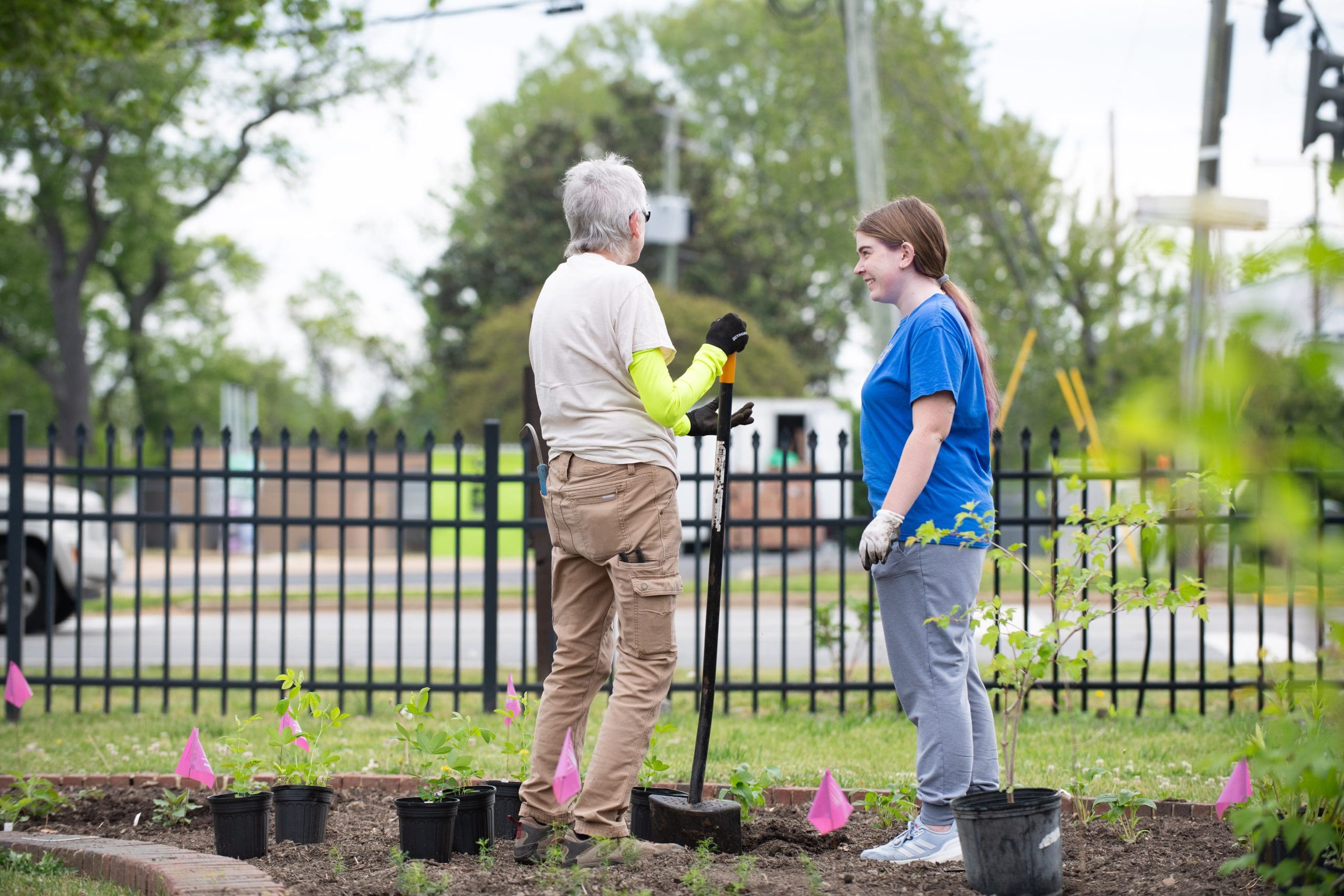
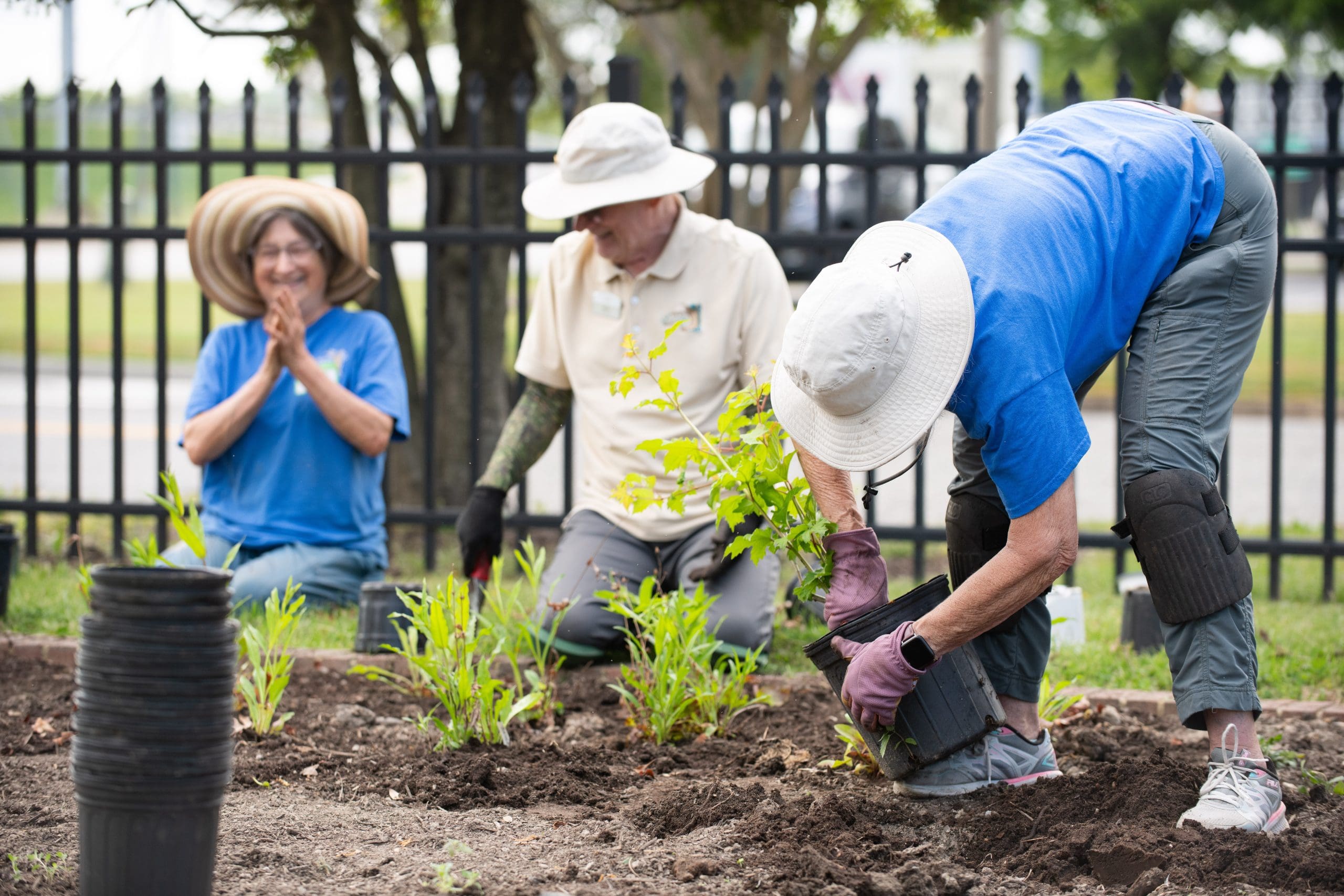
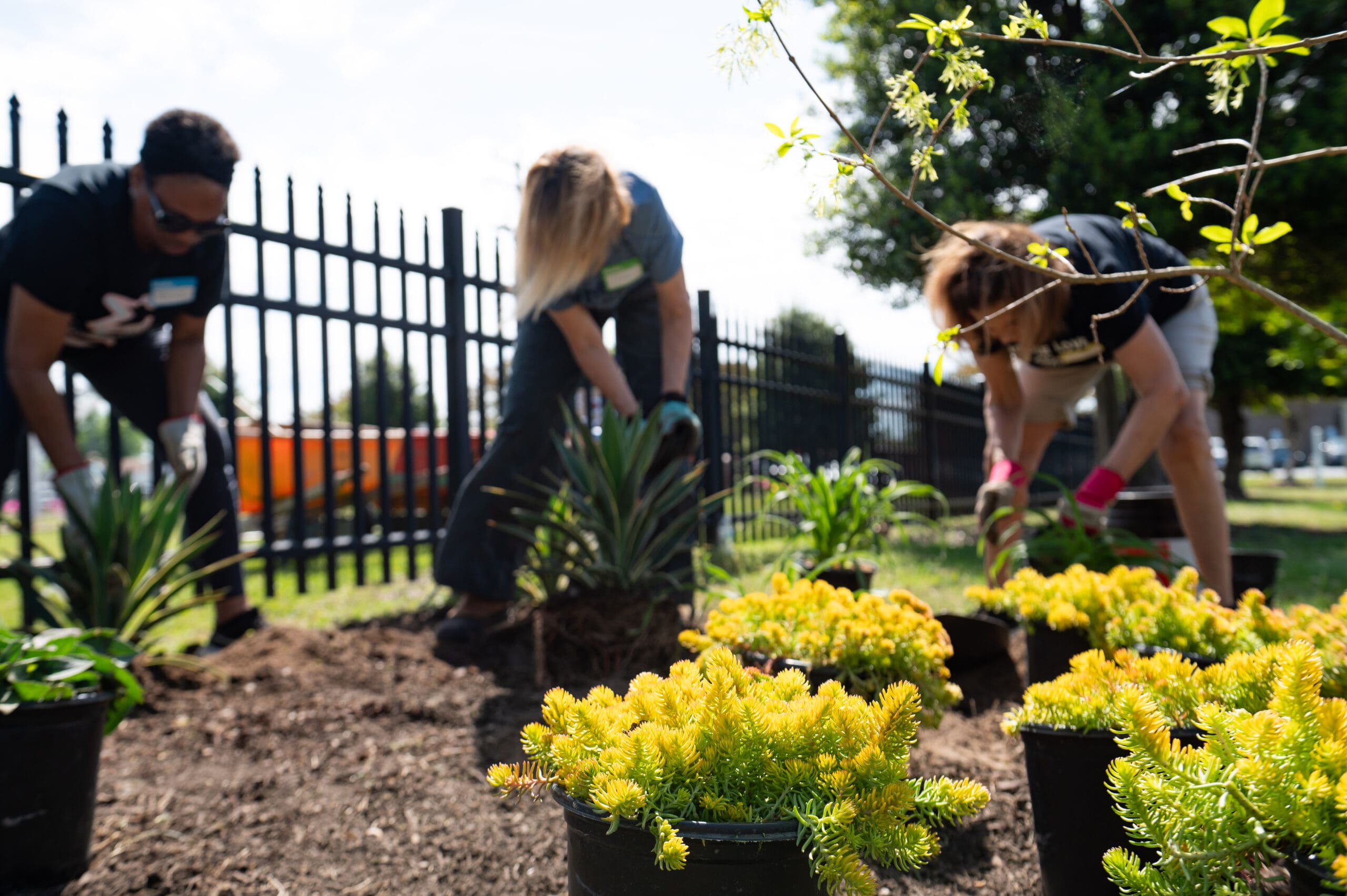
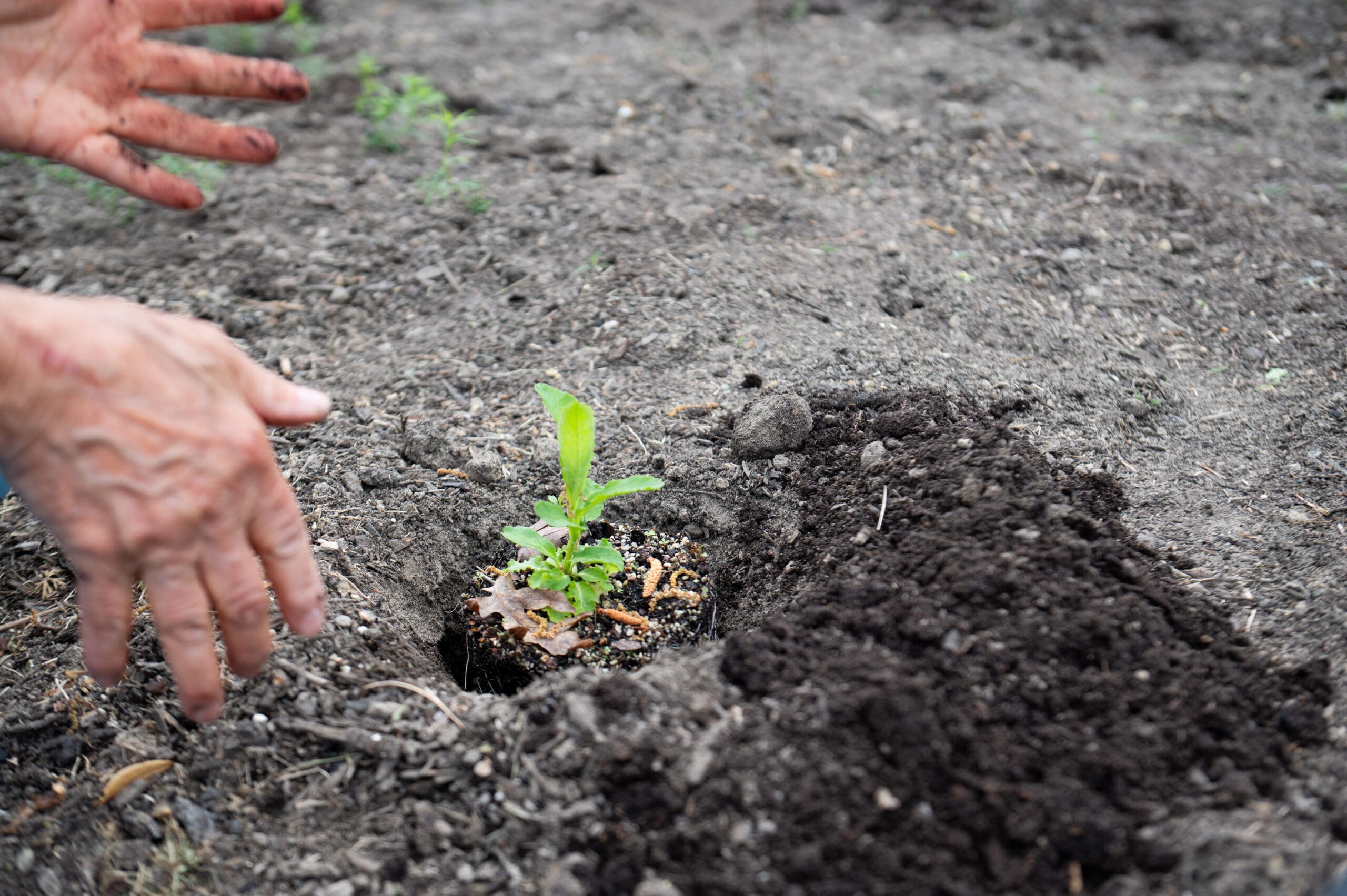
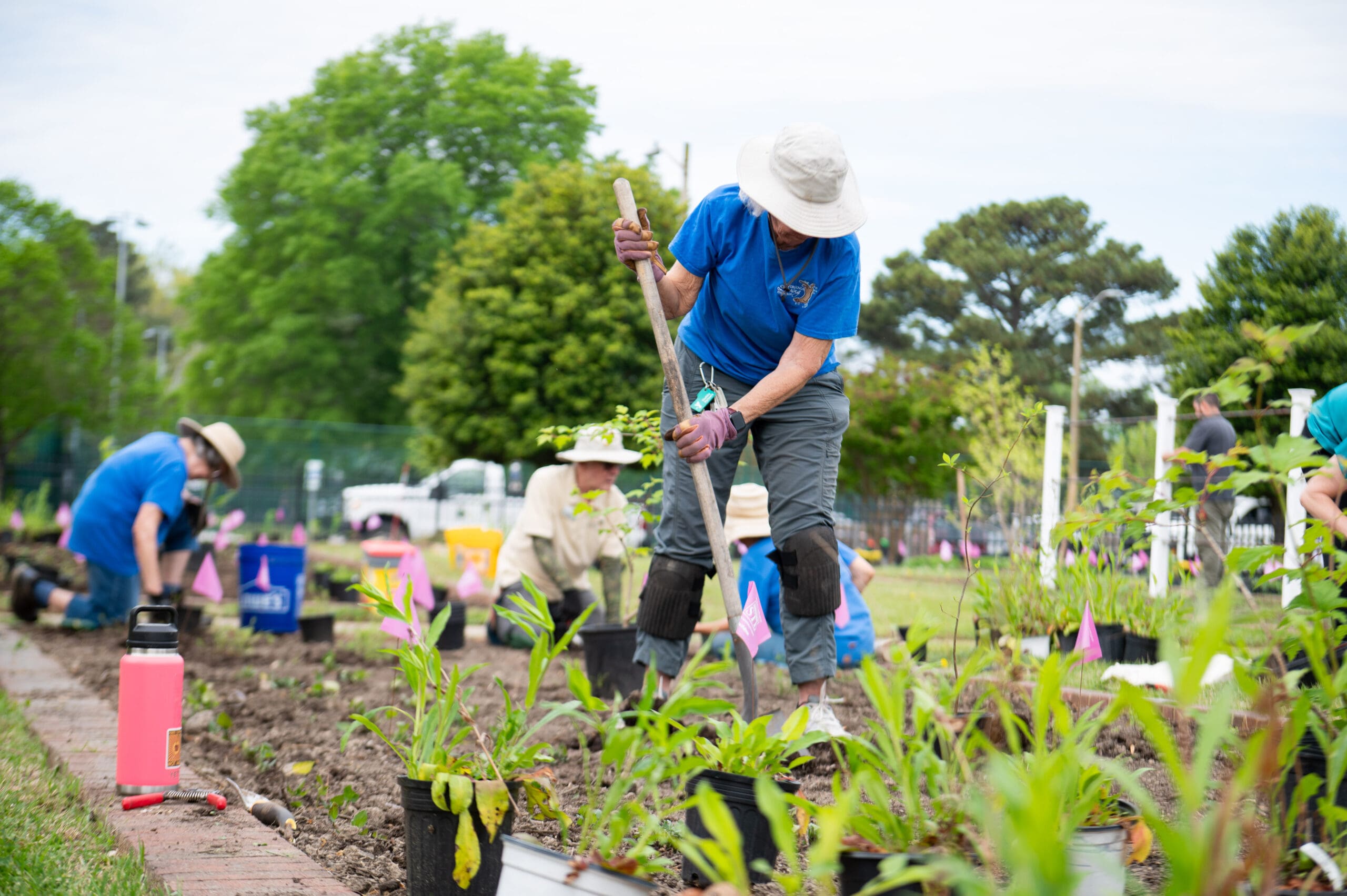
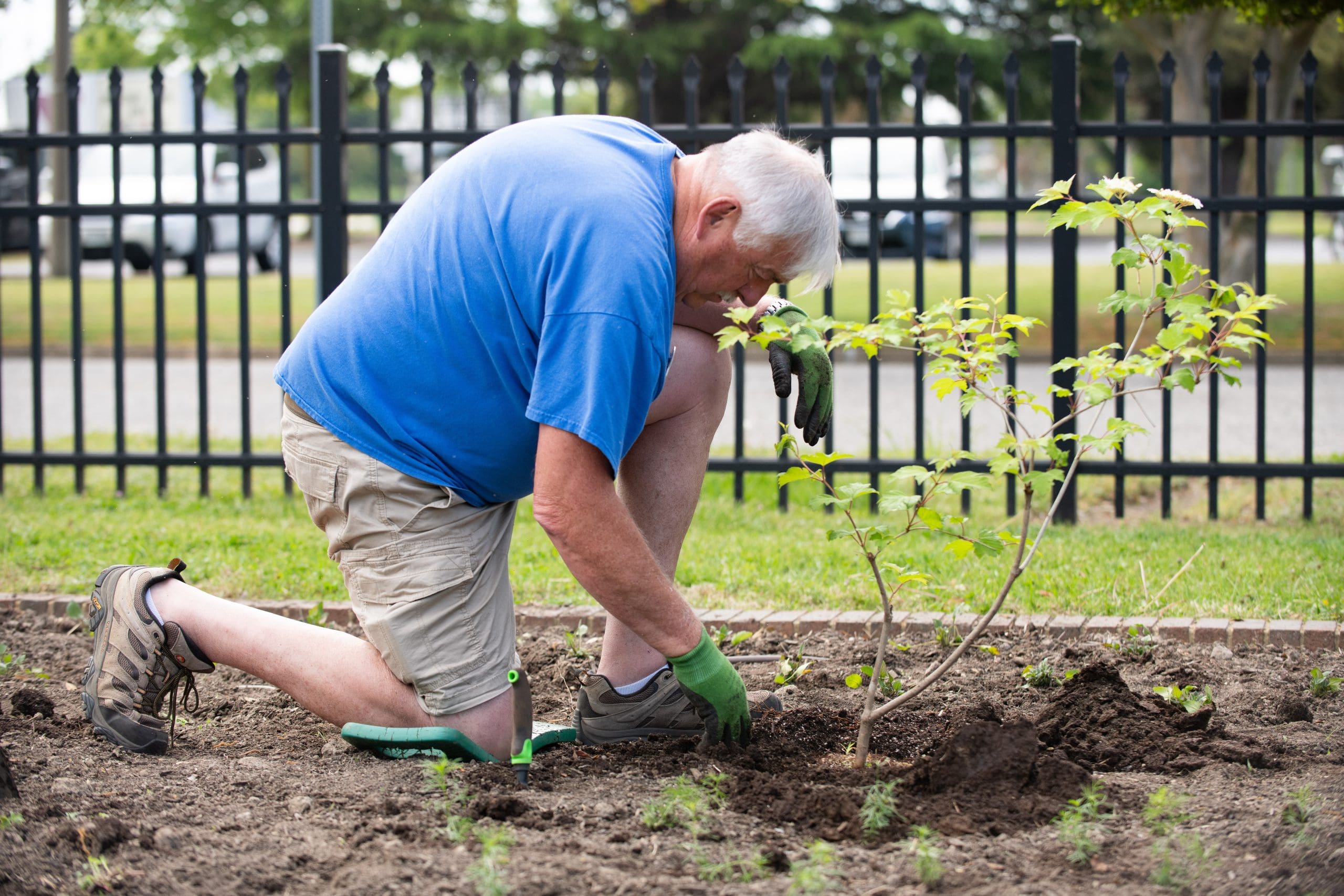
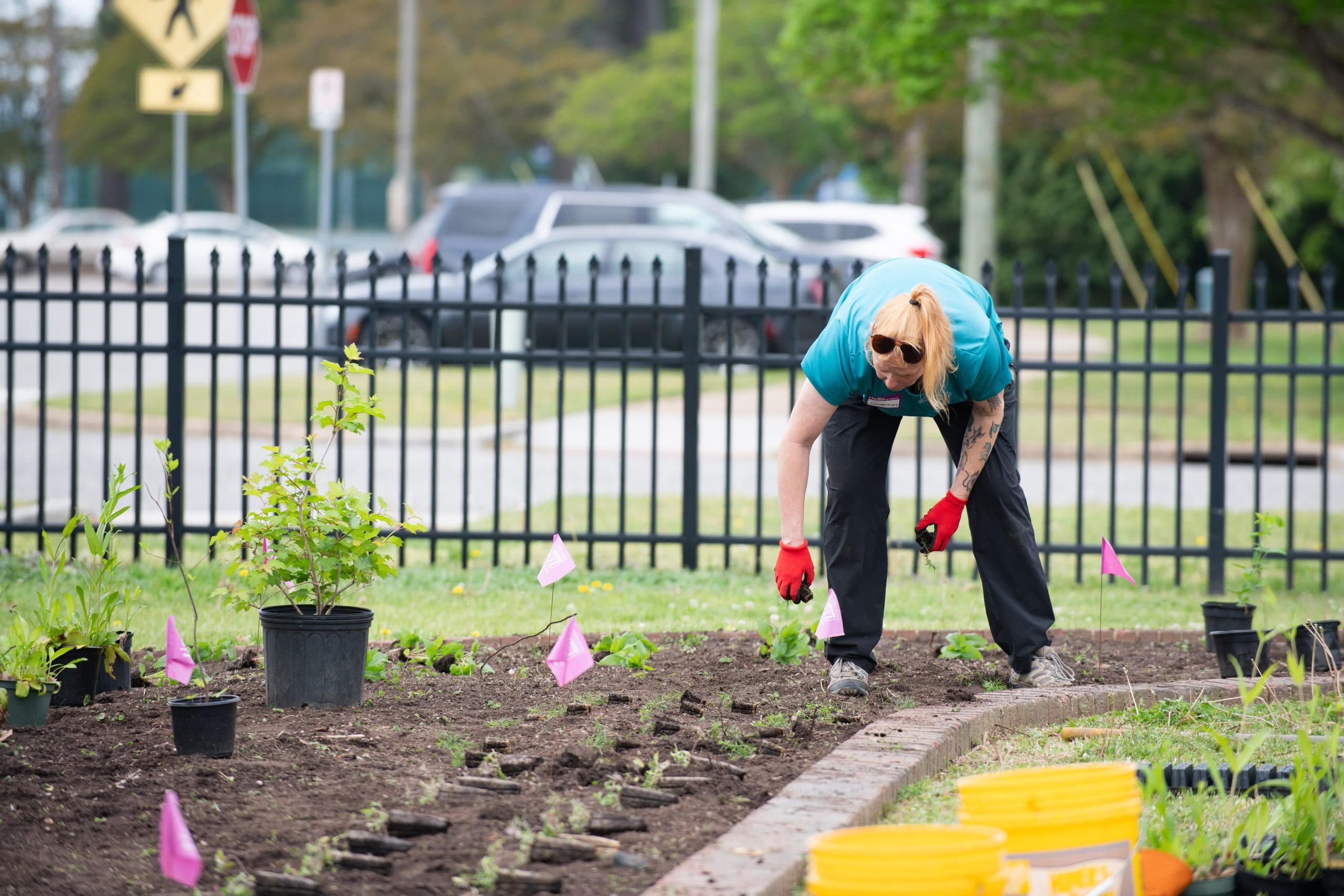
With the help of our horticulture team and dedicated volunteers, new garden beds were planted at the Huntington Botanical Garden. Each one was designed with purpose, care, and a vision for what’s to come.
This was not simply about planting flowers. It was about creating a space that supports life, strengthens our local ecosystem, and invites the community to be part of something growing.
What Was Planted
Four vibrant garden beds now sit ready to grow, each one thoughtfully designed to support pollinators throughout their lifecycle.
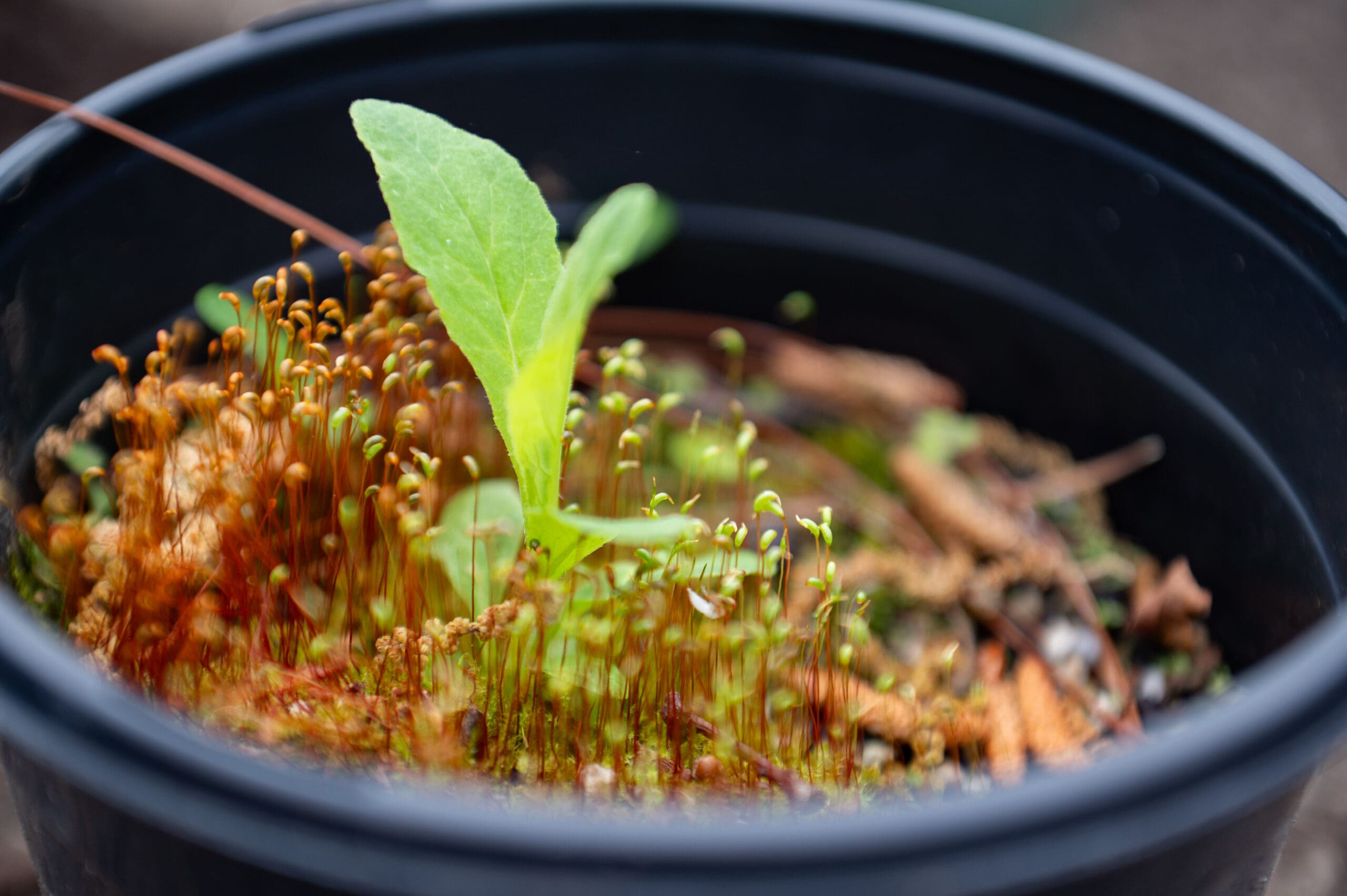
Two of the beds serve as host habitats, including a full milkweed planting created specifically for monarch butterflies. Varieties such as swamp milkweed, common milkweed, and butterfly weed will provide essential support for their life cycle.
The remaining beds are filled with native, Virginia-grown plants that offer nectar for pollinators from early spring through fall. You’ll find a thoughtful mix of blooms like giant hyssop, blue lobelia, New England aster, and woodland sunflower, along with favorites such as coneflower, black-eyed Susan, and yarrow.
Shrubs and understory plantings, including spicebush and American cranberry viburnum, help create structure and shelter, while coral honeysuckle vines add vertical interest and an additional nectar source.
Together, these plantings were chosen not only for their beauty, but for their ability to bloom in succession, creating a steady and reliable food source for pollinators throughout the seasons.
Why Native Plants Matter
Native plants do more than add beauty to a space. They provide essential food and habitat for pollinators like butterflies, bees, and other insects that play a critical role in our ecosystem.
Without these plants, many pollinators struggle to survive, and when pollinators struggle, so do the systems that rely on them.
By choosing native species, we are not just planting a garden. We are supporting a cycle of life that extends far beyond this space.
Stewardship in Action
At the Virginia Living Museum, stewardship does not stop at our doors.
Projects like this reflect a deeper commitment to caring for the environment we all share. It is about working alongside our community to create spaces that are both beautiful and beneficial.
This is hands-on conservation. The kind you can see, walk through, and return to as it grows.
The Power of Community
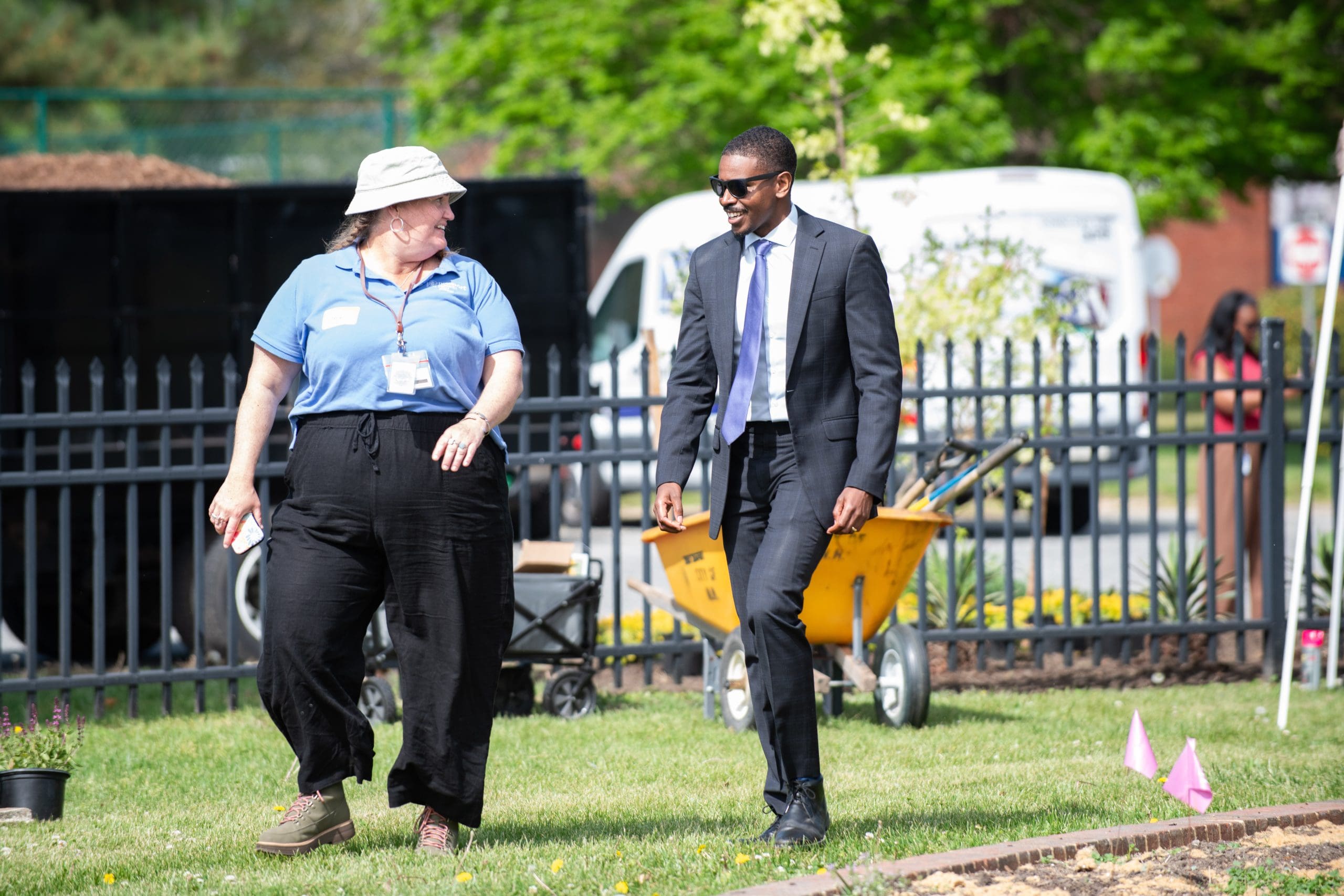
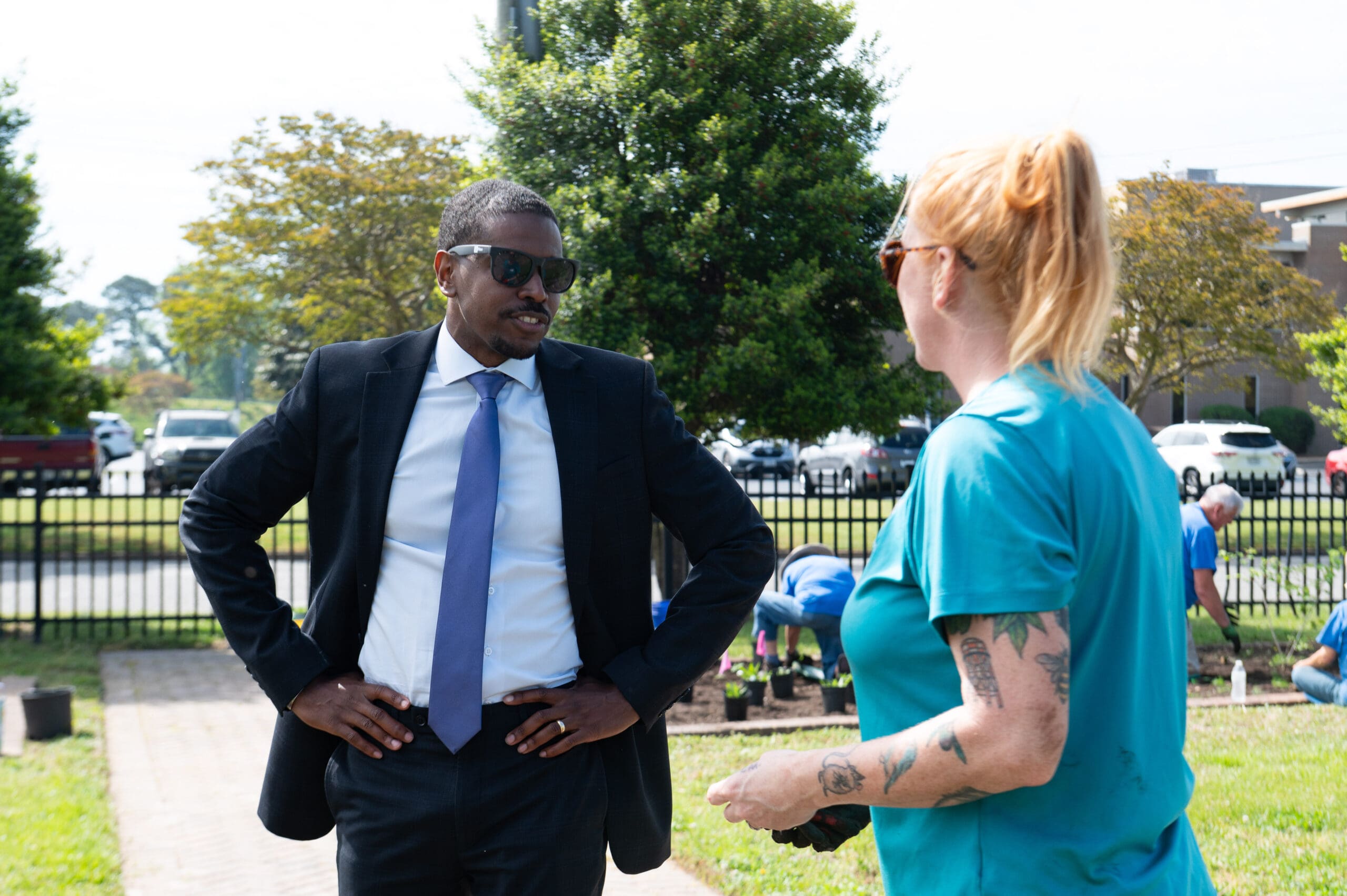
This project came to life through the dedication of our horticulture team and the volunteers who gave their time and energy to make it possible.
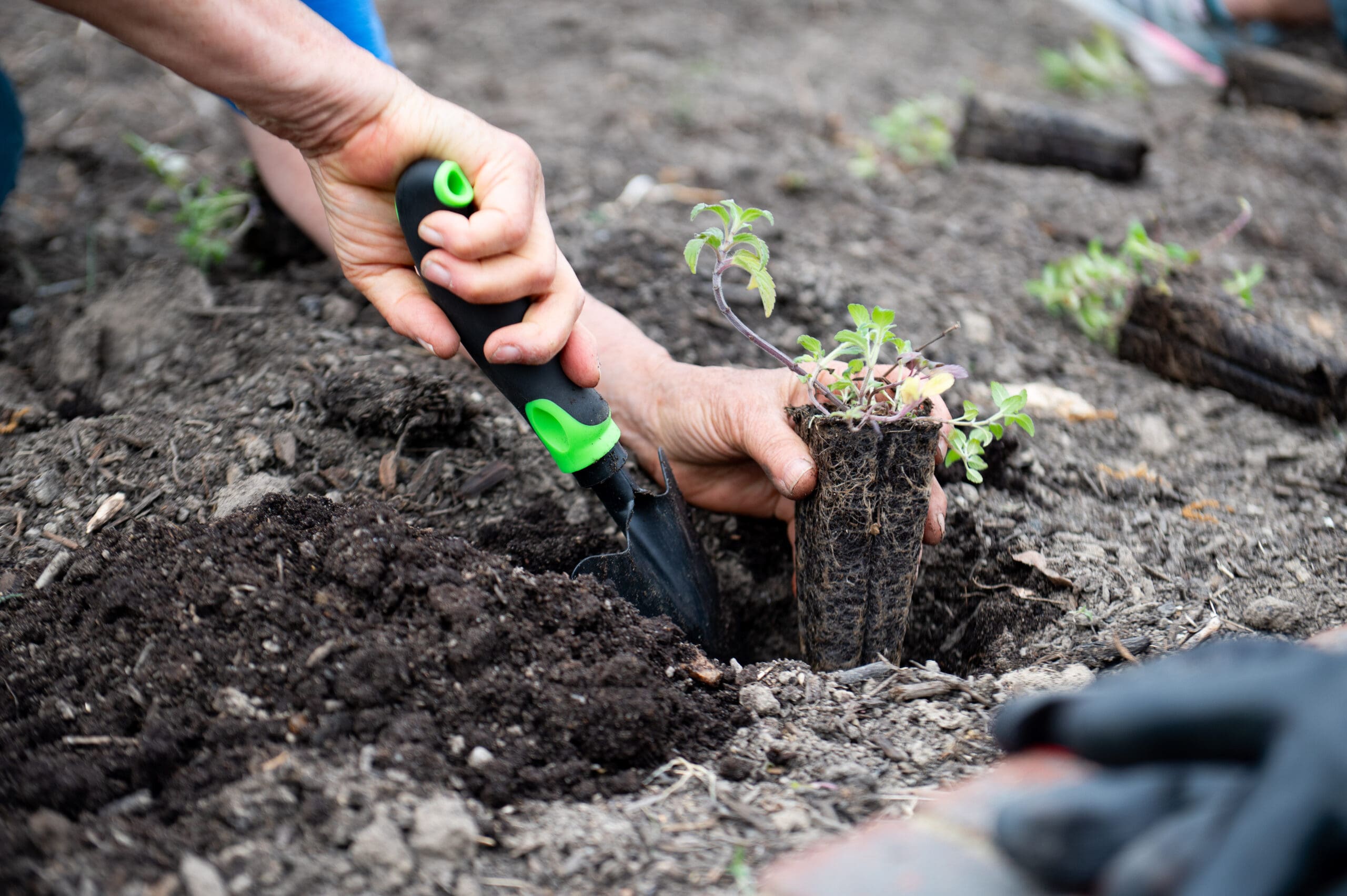
From preparing the soil to placing each plant, it was a day rooted in connection. It is a reminder of what can happen when people come together with a shared purpose.
What’s Coming Next
As the garden begins to grow and take shape, we are looking forward to celebrating it in full bloom.
The Huntington Botanical Garden will officially reopen with a ribbon cutting this June, inviting the community to experience the space as it was meant to be.
Soon after, we will gather for Wings & Wonders, a special event highlighting pollinators, native plants, and the vital role they play in our environment.
Both moments offer a chance to walk through the garden, see what is taking root, and experience the impact of planting with intention.
Bring It Home
As you walk through the garden, you may find yourself imagining what something like this could look like in your own space.
Our horticulture team offers at-home consultations to help you create a garden that supports pollinators while feeling natural and beautiful within your landscape.
If the garden at Huntington Park inspires you, we would love to help you bring that vision to life at home.
Enjoy getting your hands dirty?
Projects like this are only possible because of the time, care, and dedication of our volunteers. If you’ve ever wanted to be part of something that supports wildlife and strengthens our community, we would love to have you join us.
Explore current volunteer opportunities and get involved.