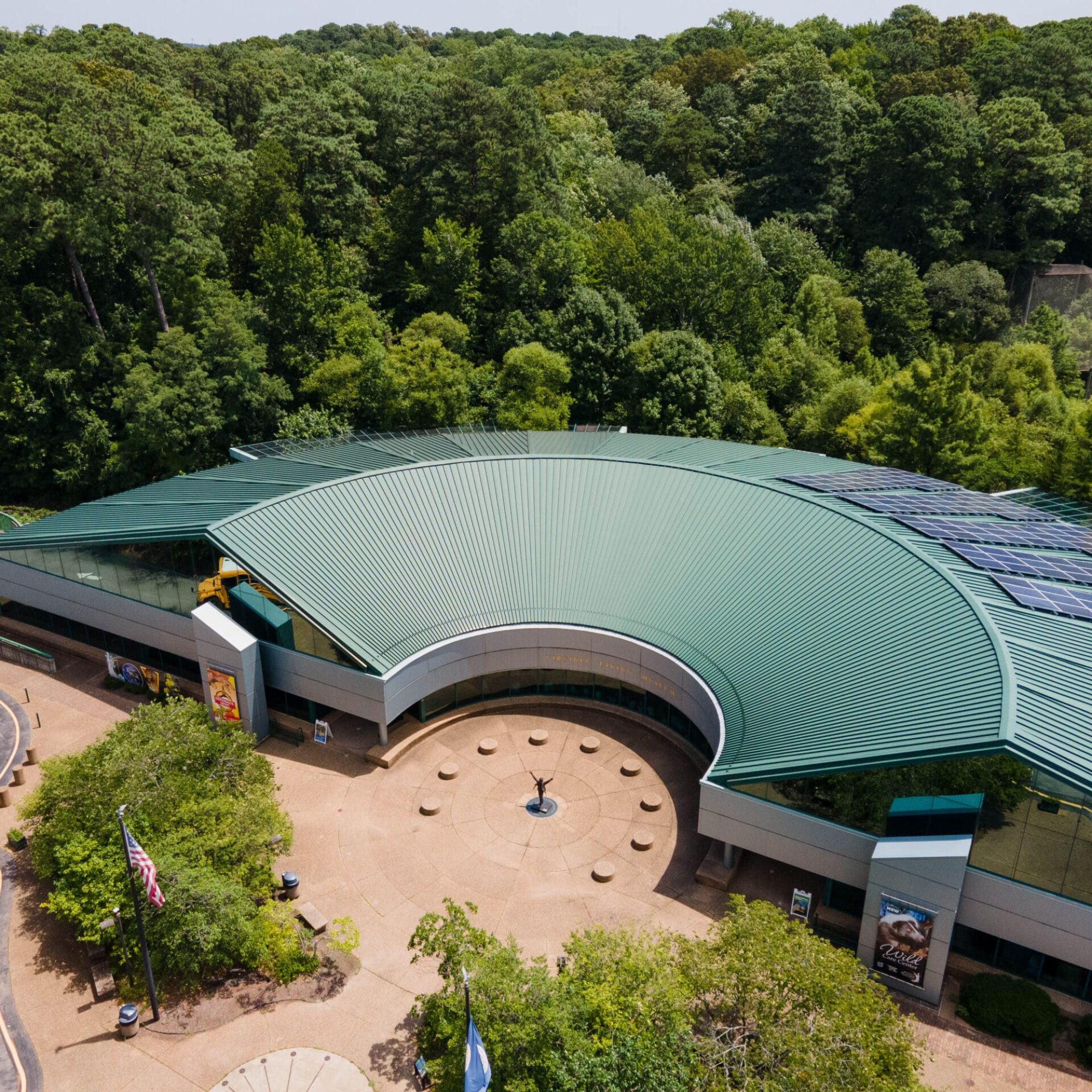
Schedule a museum visit to explore over 250 live animal and plant species, native to Virginia, in their natural settings. Your students can experience hands-on learning in our discovery centers and interactive galleries.
Length of Visit
Allow 1.5 to 2 hours for a tour of the indoor exhibits and outdoor trails.
Fee
$10 per student (September – mid-June)
Classroom teachers and school staff are free. One chaperone is recommended for every 10 students and is admitted free. Additional chaperones are $18 each.
For more information or to make a reservation, call the Reservations Coordinator at 757-534-7410 Monday-Friday, 8:30 am – 4:00 pm, or complete the Reservation Request Form below.
If you are interested in scheduling a group visit during the summer (June – August), click here to learn more about our group offerings.
Reservation Request Form
Use our online form to schedule your school visit to the Virginia Living Museum or call 757-534-7410 Monday through Friday, 9am to 4:30pm
Funded in part by Harry and Judy Wason.
Exhibits
The exhibits in the Virginia Living Museum correlate with and reinforce Virginia’s Standards of Learning for Science. While taking a tour of the geographic regions of Virginia, students can observe:
- Live animals and plants in their natural habitats
- Plant and animal life cycles, food chains, and food webs
- Animal survival adaptations for finding food and shelter, rearing young, avoiding predators, defensive measures
- Animal migration, camouflage, and hibernation
- Endangered and threatened species
- Vertebrates and invertebrates
- The importance of conserving Virginia’s animal, plant and mineral resources
- Pond, forest, stream, Chesapeake Bay, cypress swamp, mountain cove, cave and more habitats
- Virginia’s prehistoric past: rocks, minerals, fossils
Self-Guided Exhibit Guides
The Virginia Living Museum has developed targeted guides to help students focus during their visit. Teachers will need to come prepared with copies for their students.
Chaperone Guides
The Virginia Living Museum has developed these guides to help teachers and parent chaperones support student learning in the museum exhibits. These guides include a museum map, review of expectations, and guided questions to ask students while exploring the exhibits.